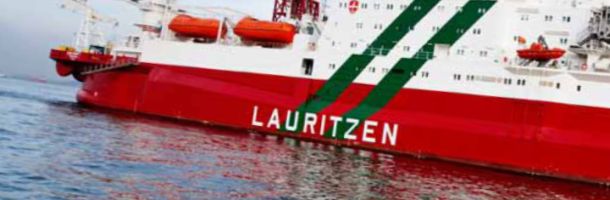
During the days before Christmas, a vessel owned by the Danish shipping company Lauritzen set off from Western Sahara, occupied by Morocco. According to the UN, the Moroccan phosphate exploitation is illegal. By DanWatch, 30 Dec 2011.
DanWatch
30 December 2011
During the days before Christmas, a vessel owned by the Danish shipping company Lauritzen set off from Western Sahara, occupied by Morocco. According to the UN, the Moroccan phosphate exploitation is illegal.
DanWatch knows that the Danish vessel Emilie Bulker, owned by the shipping company Lauritzen, is on its way to Lithuania with phosphates for the fertilizer firm Lifosa.
President of Lauritzen Bulkers, Mr. Ejner Bonderup, confirms: ”It is an internationally recognised fertilizer trader which has chartered our vessel and carries outs the transport from El Aaiun in Western Sahara to probably Klaipeda in Lithuania”.
A UN legal opinion from 2002, however, concluded that Moroccan exploitation of natural resources in Western Sahara is illegal. It is the Moroccan occupying power that is carrying out the exploitation without letting the people of the territory, the Saharawis, benefit from it.
”The status of Western Sahara is not yet decided, and a referendum is to decide with the country is to be independent or to be part of Morocco. The natural resources do thus not belong to Morocco today, and it can be compared to support the purchase of stolen goods when a Danish company transports or deals with natural resource which Morocco is currently exploiting in Western Sahara”, said Lave Broch of the UN Association in Denmark.
He refers to the International Court of Justice, stating that Morocco has no legitimate claims to Western Sahara, and that they therefore do not have the right to sell nor use the natural resources of Western Sahara.
The shipping company, however, finds it unproblematic: “I cannot recall when we ourselves transported phosphates out of El Aaiun, but there is nothing in our ’time charter agreements’ with other firms that prevents them to ship phosphates out of El Aaiun”, said Ejner Bonderup.
Eurochem, the firm behind the Lifosa factory in Lithuania, confirms that the cargo of Emilie Bulker is on its way to their factory, and that they expect the vessel to arrive on 3 January 2012.
Thrown out of UN’s Global Compact
The Lithuanian fertiliser firm Lifosa was earlier this year thrown out of the UN’s Global Compact, which is an initiative for firms adhering to standard principles of human rights, environment, anti-corruption and workers rights.
This happened, according to Western Sahara Resource Watch (WSRW) since Lifosa never replied to questions relating to the imports of phosphates, despite the fact that dialogue with civil society is a prerequisite for being a member of the UN’s Global Compact.
According to documentation from Lifosa, which WSRW had received, it appears that the firm received 250,000 tonnes of phosphate rock in 2008, 120,000 tonnes in 2009 and 465,000 in 2010 from Western Sahara. The Saharawis have, according to the documentation, not been consulted regarding the exports of the natural resources.
It is not the first time that Lauritzen has been in the media’s spotlight in relation to transports of phosphates from Western Sahara. In 2008, DanWatch revealed that one of Lauritzen’s vessels was on its way to New Zealand with a phosphate cargo.
That time, colonel Knut Moesgaard, was just returned from the UN’s peace keeping mission in Western Sahara. He told DanWatch: “Western Sahara is occupied by Morocco, and as long as no solution to the conflict has been found, it would be in disregard of the recommendation of the UN to purchase natural resources such as phosphates from the country”.
The Norwegian government stated earlier in December such imports from Western Sahara to be a ”particularly serious violation of fundamental ethical norms”.
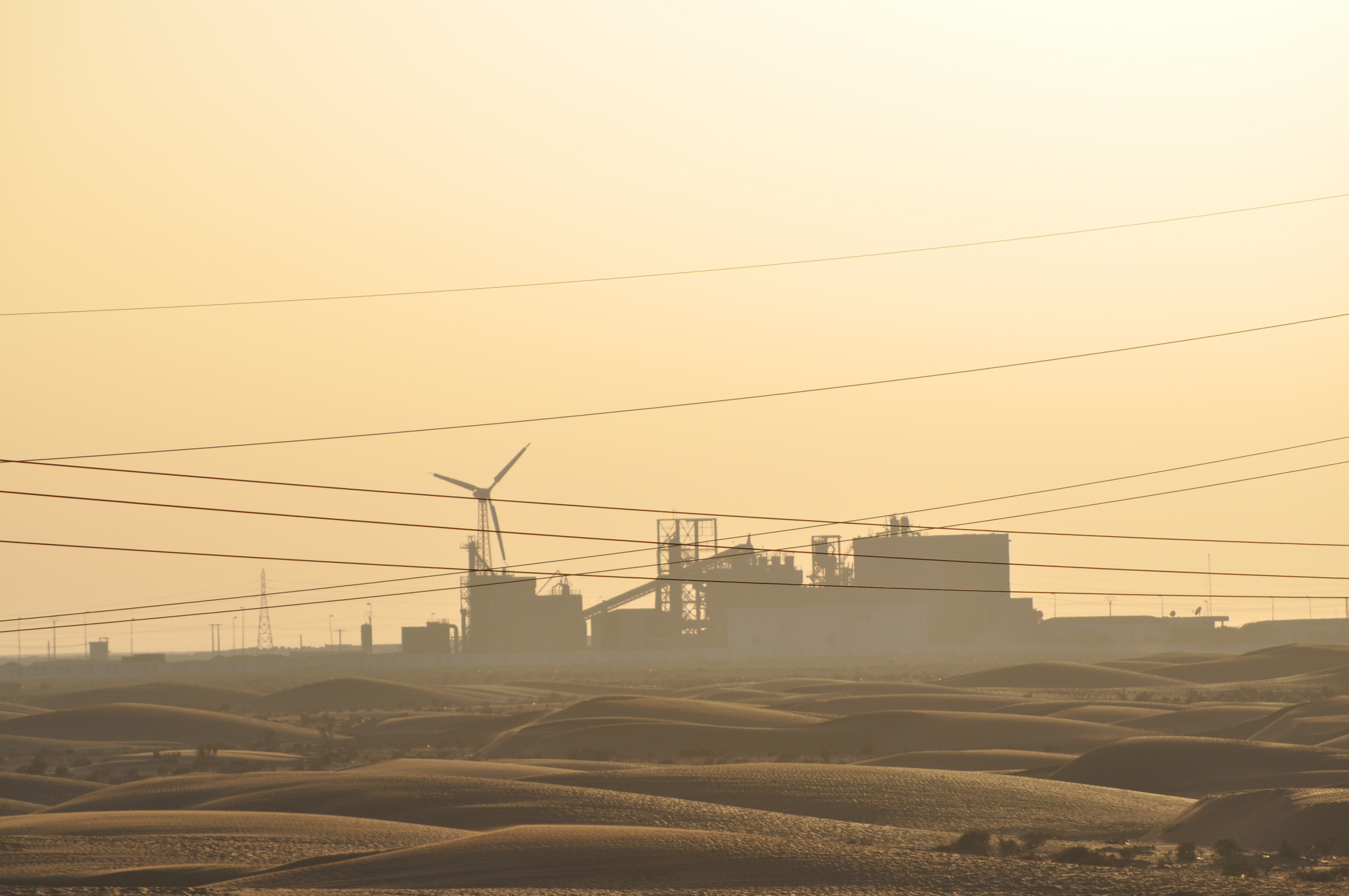
Heidelberg Materials deepens its role in Morocco’s occupation of Western Sahara
The German company confirms once again that its operations in occupied Western Sahara are closely tied to Morocco’s infrastructure expansion in the territory - while continuing to dismiss the Saharawi people’s right to consent.

The conflict phosphates - four decades of plunder
For over 40 years, a Moroccan state-owned company has exported phosphate rock from occupied Western Sahara.
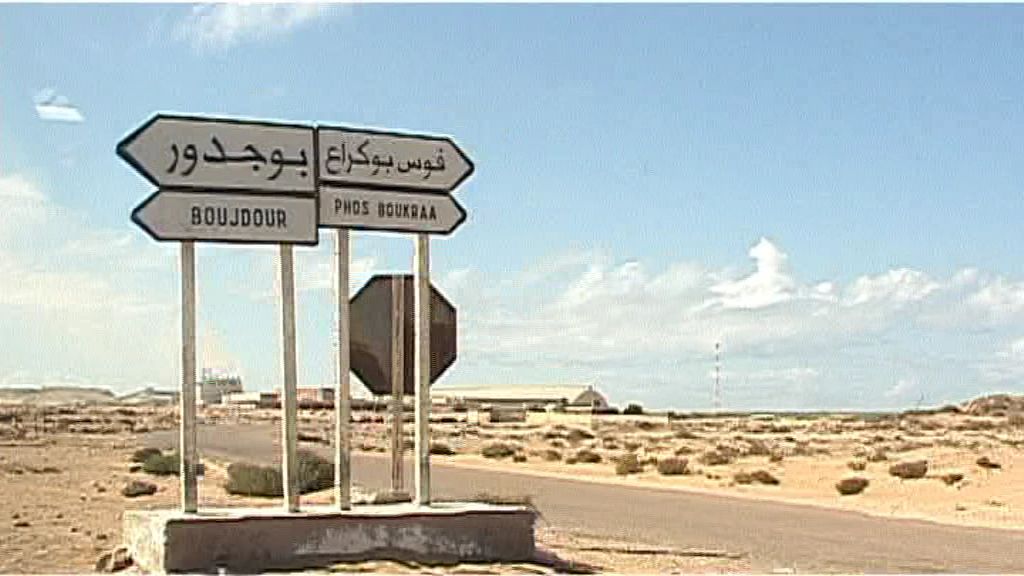
Record low number of importers of Western Sahara phosphates
Only three companies imported phosphate rock from occupied Western Sahara in 2025 - the lowest number ever recorded. The findings appear in our annual P for Plunder report, released today.

One of the richest coastlines in the world
The fish stocks of occupied Western Sahara have not only attracted the interest of the Moroccan fleet: other foreign interests are also fishing in the occupied waters through arrangements with Moroccan counterparts. Along the Western Saharan coastline, a processing industry has emerged.