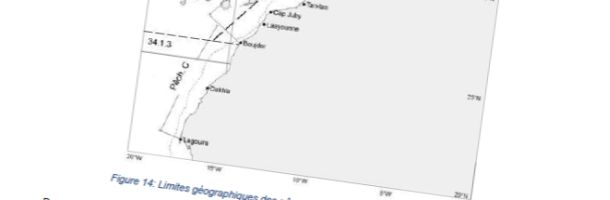
The ex-ante evaluation report by consultancy firm Océanic Développement provides an independent analysis of the previous EU-Morocco fish accord: it reviewed the deal’s implementation between 2007 and 2010.
Yet in 2011, when the European Commission proposed to extend the previous fisheries agreement with Morocco by an additional 12 months, this highly relevant document was not shared with the public opinion. Even European Parliamentarians only had very limited access to the report.
The now released report shows how clearly controversial the agreement was in terms of finances and ecological destruction: it concluded that the agreement was by far the worst of all on-going bilateral agreements in terms of costs-benefits to the Union. Instead of turning a profit as similar EU agreements have done, fishing turnover fell short of the 36.1 million investment by about 6 million euros a year. (See page 93)
EU fishermen landed around 44,000 tonnes of fish a year - 5 percent of Morocco's total catch and a fragment of Europe's 13-million-tonne consumption. "The fleet's contribution ... to meeting the needs of the European market is ... rather marginal," the report said. (See page 91)
Furthermore, the evaluation report pointed out that continued EU fishing would harm the region's fish stocks, which were already exploited and in part overexploited by local fishermen. (See page 96)
On 14 December 2011, the European Parliament put an end to the EU-Morocco fisheries - mostly due to a concern over infringing international law, as most of the fisheries under the agreement took place in the waters off occupied Western Sahara. Nonetheless, the European Commission is currently attempting to negotiate a new fish deal with Morocco, without even mentioning the contentious issue of Western Sahara.
Read the evaluation of the contentious EU-Morocco fisheries agreement here.
Read the June 2011 joint-letter (initiative by TransparentSea and Client Earth), requesting information on fisheries access agreements.

Heidelberg Materials deepens its role in Morocco’s occupation of Western Sahara
The German company confirms once again that its operations in occupied Western Sahara are closely tied to Morocco’s infrastructure expansion in the territory - while continuing to dismiss the Saharawi people’s right to consent.

The conflict phosphates - four decades of plunder
For over 40 years, a Moroccan state-owned company has exported phosphate rock from occupied Western Sahara.
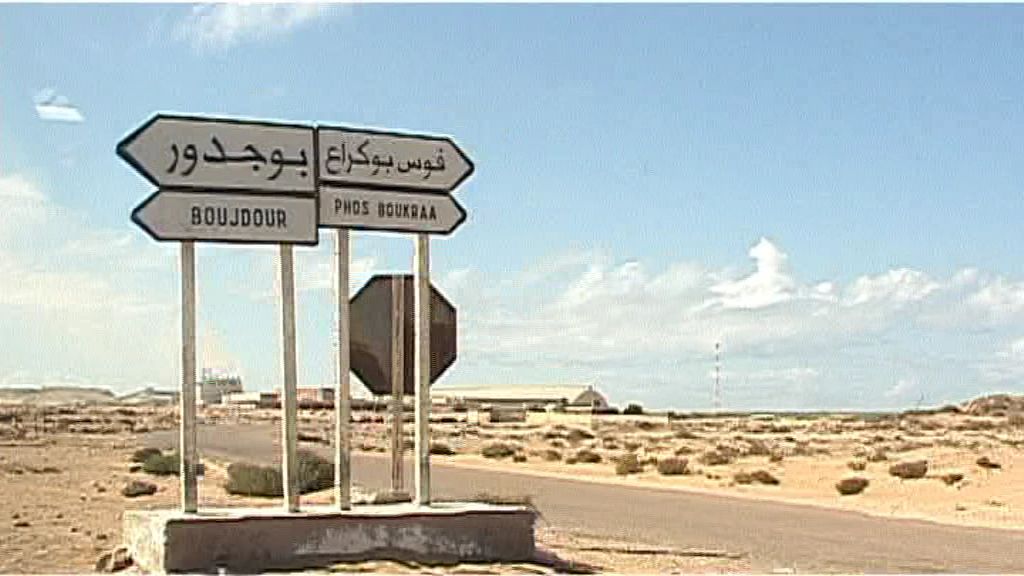
Record low number of importers of Western Sahara phosphates
Only three companies imported phosphate rock from occupied Western Sahara in 2025 - the lowest number ever recorded. The findings appear in our annual P for Plunder report, released today.

One of the richest coastlines in the world
The fish stocks of occupied Western Sahara have not only attracted the interest of the Moroccan fleet: other foreign interests are also fishing in the occupied waters through arrangements with Moroccan counterparts. Along the Western Saharan coastline, a processing industry has emerged.