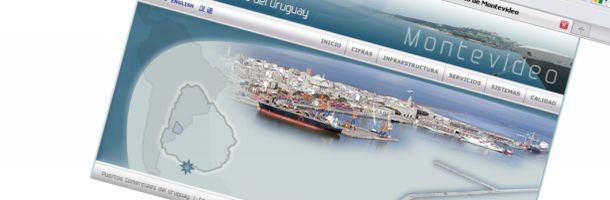
The Dutch trading company Nidera will take the issue of Western Sahara “into consideration” if confronted with another need to import to the Latin American country.
In 2009, Western Sahara Resource Watch wrote a story on its webpages regarding the vessel ‘Katina’, transporting phosphate rock from occupied Western Sahara to Uruguay. WSRW had identified the local importer as Nidera Uruguaya, a subsidiary of Dutch oil and grain trading company Nidera.
Nidera has recently clarified to WSRW that the incident was not part of a bigger pattern of imports. The import occurred by the time the company was taking a minor parcel of a bigger vessel. They state they will take the issue “into consideration” if confronted with another need to import to the Latin American country.
“We fully comply with all applicable laws. If our subsidiary in Uruguay again needs to import phosphate rock in the future, the matter which is now brought to our attention is something we shall definitively take into consideration”, stated Nidera’s CSR responsible Aukje Berden to WSRW.
Neither during the years 2007, 2008, 2010 nor 2011 did its Uruguayan subsidiary import phosphate rock at all, according the company. The 2009 total import volume was nearly identical to the ‘Katina’ shipment.
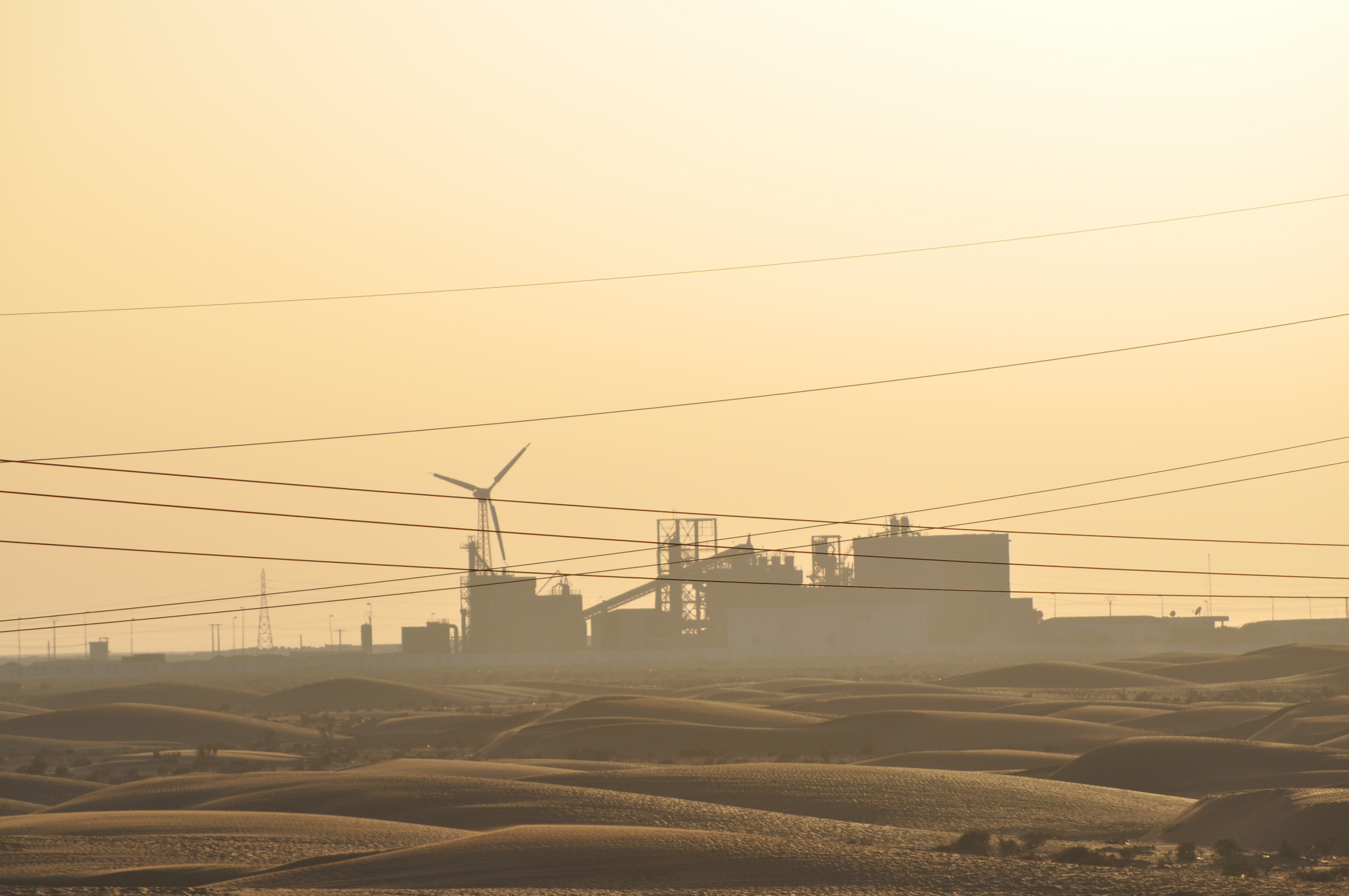
Heidelberg Materials deepens its role in Morocco’s occupation of Western Sahara
The German company confirms once again that its operations in occupied Western Sahara are closely tied to Morocco’s infrastructure expansion in the territory - while continuing to dismiss the Saharawi people’s right to consent.

The conflict phosphates - four decades of plunder
For over 40 years, a Moroccan state-owned company has exported phosphate rock from occupied Western Sahara.
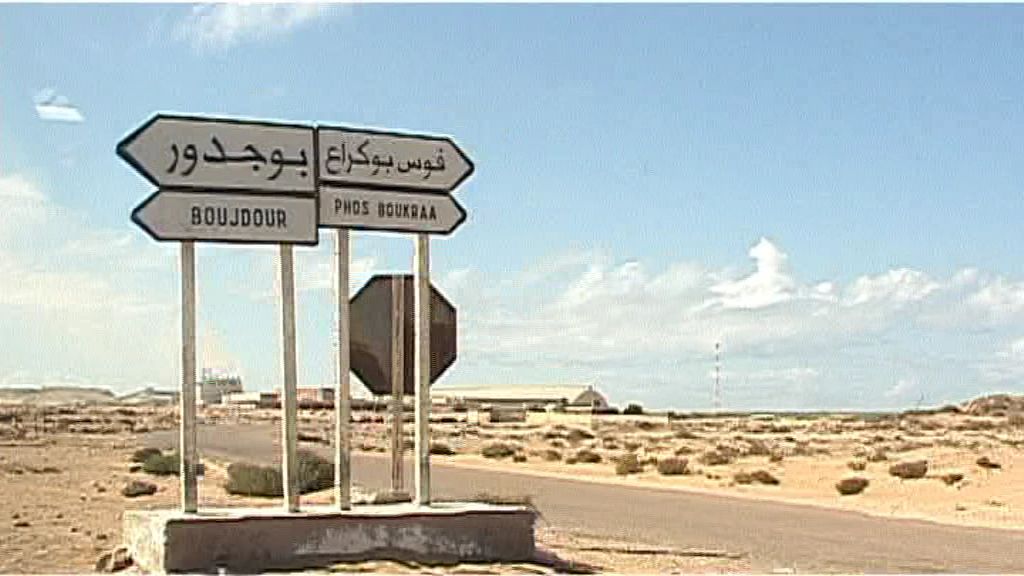
Record low number of importers of Western Sahara phosphates
Only three companies imported phosphate rock from occupied Western Sahara in 2025 - the lowest number ever recorded. The findings appear in our annual P for Plunder report, released today.

One of the richest coastlines in the world
The fish stocks of occupied Western Sahara have not only attracted the interest of the Moroccan fleet: other foreign interests are also fishing in the occupied waters through arrangements with Moroccan counterparts. Along the Western Saharan coastline, a processing industry has emerged.