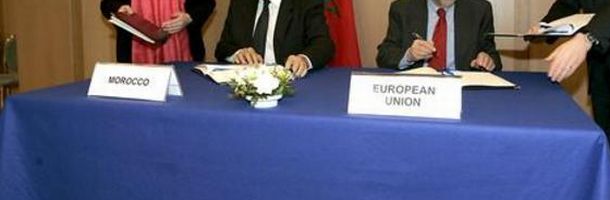
The EU Member States have decided to back the European Commission’s suggestion to negotiate a ‘Deep and Comprehensive Free Trade Agreement’ with Morocco. The development could have further consequences for trade with Western Sahara, warns WSRW.
On 14 December 2011, the European Parliament voted down the EU-Morocco Fisheries Agreement. A central argument in the decision, was that the fisheries deal violated international law for including the areas of Western Sahara occupied by Morocco. Ironically, on that same December day in 2011, the EU Member States agreed to the Commission’s proposal to a so-called “Deep and Comprehensive Free Trade Agreement” (DCFTA) with Morocco.
Through the DCFTA, Morocco is offered progressive economic integration into the EU single market, by greater opportunities to export its goods to the EU. It will also become easier to attract European investments. In turn, the Member States will gain significantly better access to the Moroccan market.
A Press Release by the European Commission reads that ‘the DCFTA will go beyond removing only tariffs to cover all regulatory issues relevant to trade’. The European Commission presents the DCFTA as a response to Morocco’s handling of the Arab Spring through a process of democratic and economic reform.
“The development is highly worrisome, as it might deepen the EU’s trade involvement not only with Morocco, but also with the occupied territories of Western Sahara”, stated Sara Eyckmans of Western Sahara Resource Watch.
“It threatens to open up tremendous opportunities for EU companies – anything from banks to agri-interests – inside the illegally occupied territories. So far, no legal consideration seems to have been made. As the Saharawi people obviously would disagree, the agreement would be in violation of international law from day one”, stated Eyckmans.
Thin thread
The Parliament’s verdict on the EU-Morocco fish accord, frustrating Rabat, seemed around New Year to thwart the DCFTA plans. Mid-January 2012, the EU Commissioner for Enlargement Stefan Füle travelled to Rabat to test the waters on a potential new fish agreement and the DCFTA.
However Rabat needed appeasing, which it found in February 2012 when the European Parliament accepted the EU-Morocco agreement on trade in agricultural products. Like the sunken fish deal, this agricultural deal was also subject of criticism for failing to specify that it does not apply to Western Sahara. Through the agreement, illegal plantations in occupied Western Sahara could be put in competition with the European Union's own producers. European farmers oppose the agreement, as Morocco is a tough competitor for them since Moroccan farmers do not have to comply with the same standards as those within the EU.
The European Commission is currently assessing the political will of Morocco to negotiate on each of the themes requested by the Member States. The content of the Commission’s mandate has not been made public, but topics for discussion are expected to include enhanced liberalisation of trade in agriculture, services, fisheries and manufactured goods, investment protection and opening of public procurement to European companies.
Depending on the outcome of this scoping exercise, steps will be taken to engage in official negotiations. These are not expected to take place for at least another 6 months.
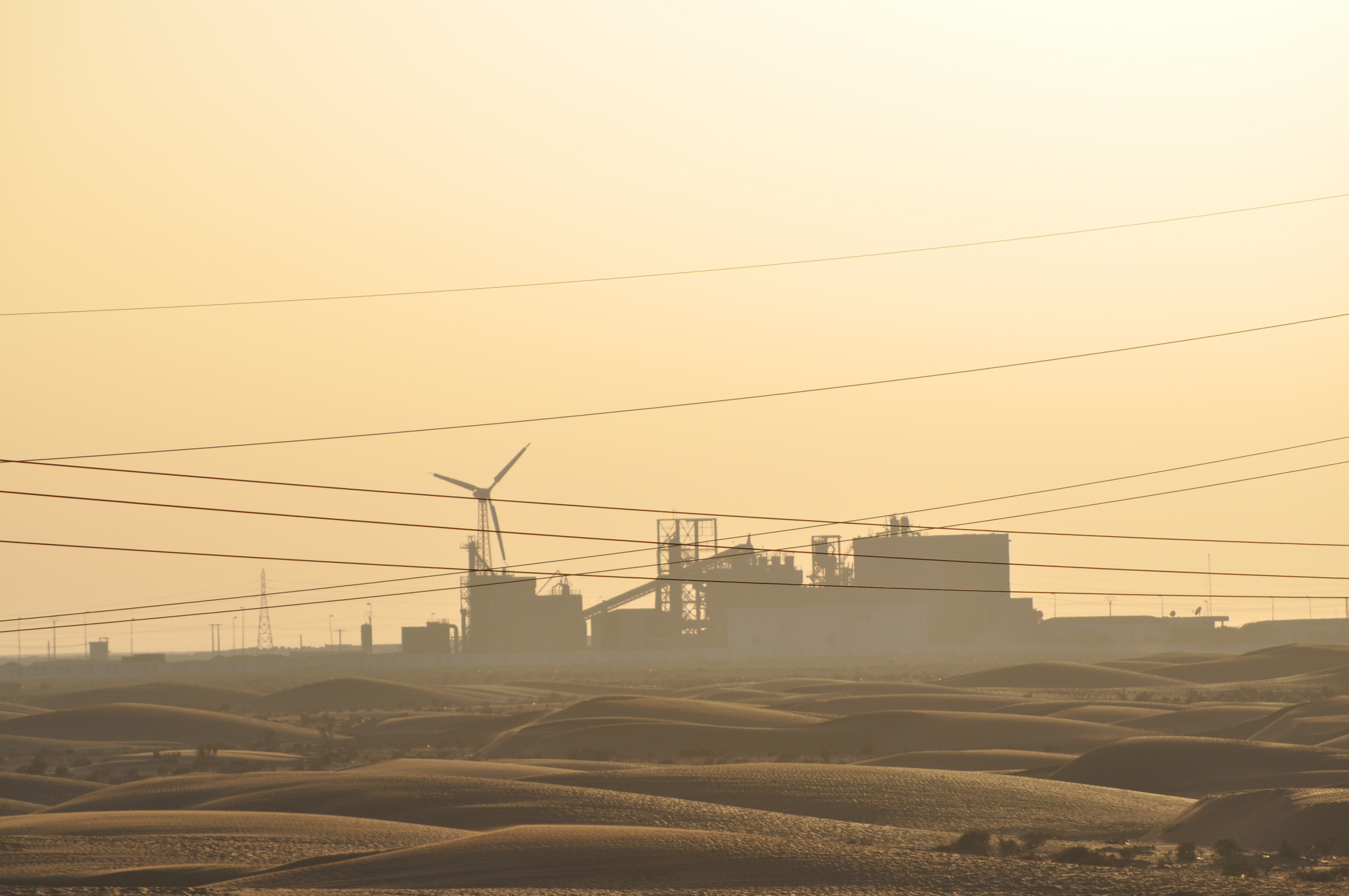
Heidelberg Materials deepens its role in Morocco’s occupation of Western Sahara
The German company confirms once again that its operations in occupied Western Sahara are closely tied to Morocco’s infrastructure expansion in the territory - while continuing to dismiss the Saharawi people’s right to consent.

The conflict phosphates - four decades of plunder
For over 40 years, a Moroccan state-owned company has exported phosphate rock from occupied Western Sahara.
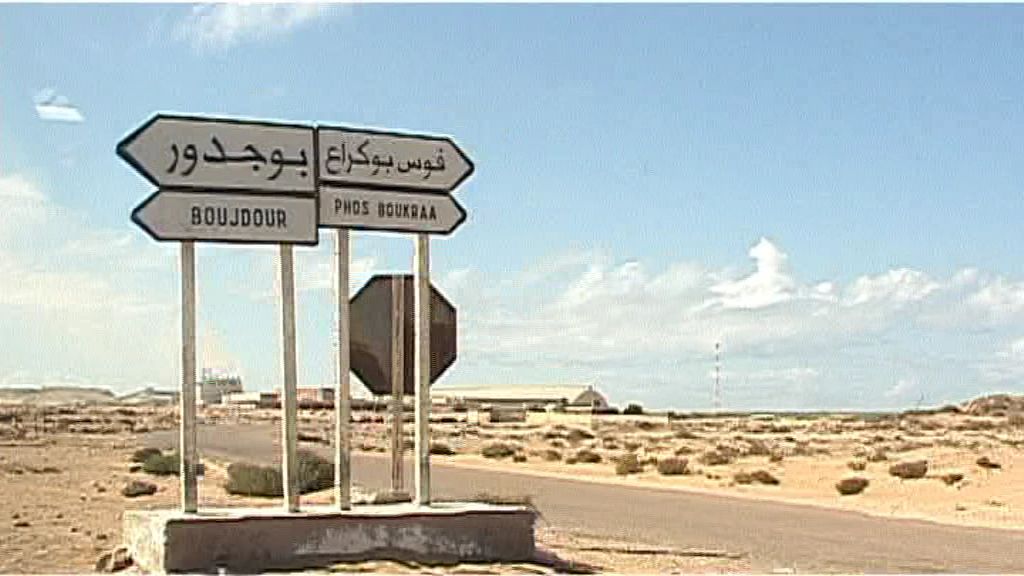
Record low number of importers of Western Sahara phosphates
Only three companies imported phosphate rock from occupied Western Sahara in 2025 - the lowest number ever recorded. The findings appear in our annual P for Plunder report, released today.

One of the richest coastlines in the world
The fish stocks of occupied Western Sahara have not only attracted the interest of the Moroccan fleet: other foreign interests are also fishing in the occupied waters through arrangements with Moroccan counterparts. Along the Western Saharan coastline, a processing industry has emerged.