The African Union summit in July formally adopted a policy document calling for the halt of mineral plunder on the continent.
The “Addis Ababa Declaration on Building a Sustainable Future for Africa’s Extractive Industry – From Vision to Action” adopted by the Second African Union Conference of Ministers Responsible For Mineral Resources and Development, sets out to put an immediate halt to the unfair plunder of mineral resources on the African continent.
The Report of the Second AU Conference of Ministers Responsible of Mineral Resources and Development was formally adopted by the Twenty-First Ordinary Session of the AU Executive Council via decision (EX.CL/ Dec.714(XXI)) at the latest AU Summit held in Addis Ababa on 9-16 July 2012. The declaration itself was first made in December 2011.
The first operative paragraph of the declaration reads as follows:
“Hereby: RECOGNISE the sovereign rights of AU Member States in protecting and safeguarding their natural resources from plunder and exploitation by all actors”.
The Saharawi Arabic Democratic Republic is a full member of the African Union (AU).
In 2002, the UN Legal Counsel stated that any further mineral exploration or exploitation in Western Sahara would be in violation of international law if the people of Western Sahara had not issued its consent. They are not. Instead, Morocco has been speeding up its illegal exploration programmes in the territory, both for oil and gas offshore and onshore, as well as phosphates and minerals onshore.
Morocco is the only state in Africa not member of the AU, because of the Western Sahara issue. Morocco occupies a section of the territory of Western Sahara.
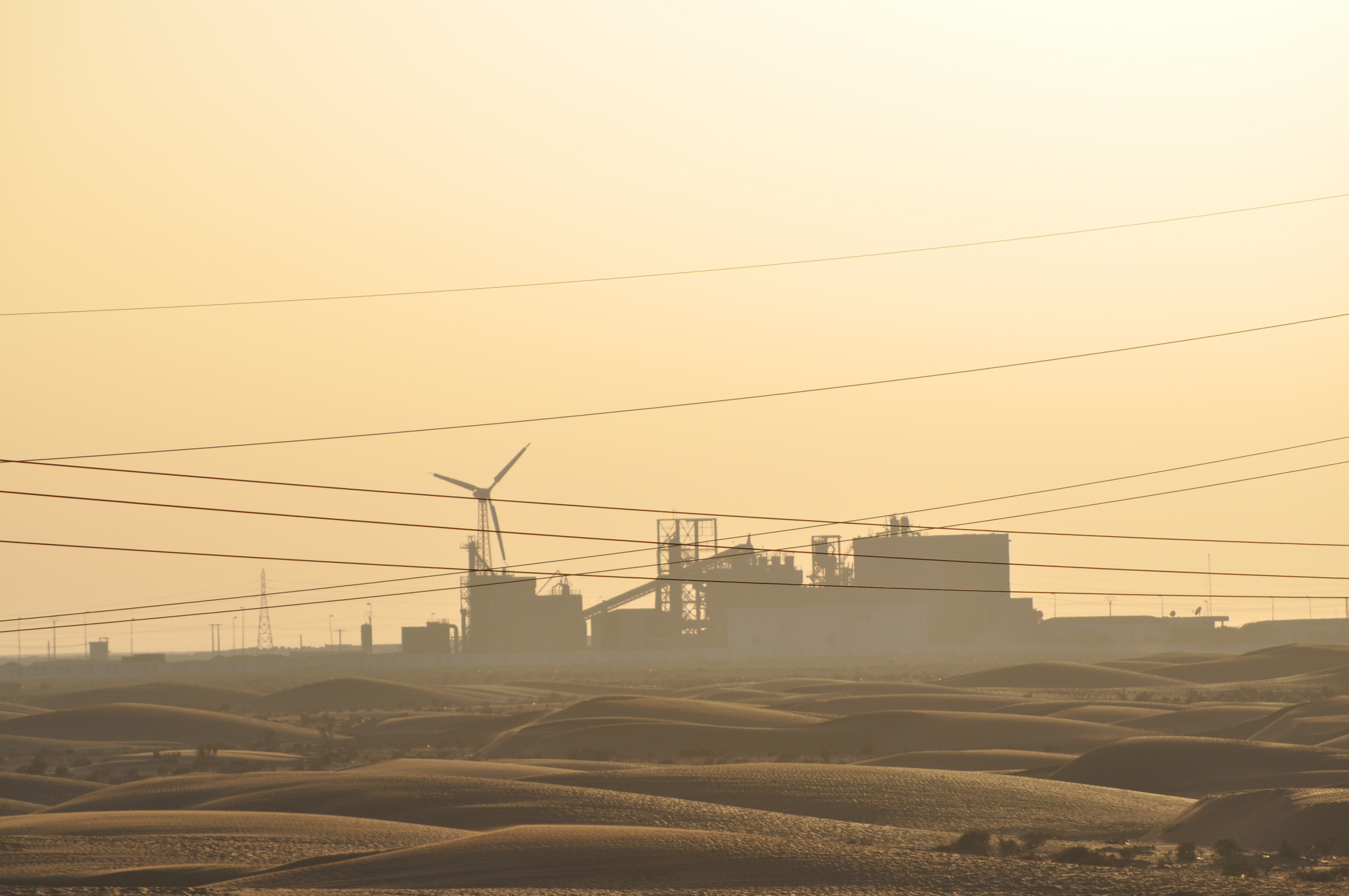
Heidelberg Materials deepens its role in Morocco’s occupation of Western Sahara
The German company confirms once again that its operations in occupied Western Sahara are closely tied to Morocco’s infrastructure expansion in the territory - while continuing to dismiss the Saharawi people’s right to consent.

The conflict phosphates - four decades of plunder
For over 40 years, a Moroccan state-owned company has exported phosphate rock from occupied Western Sahara.
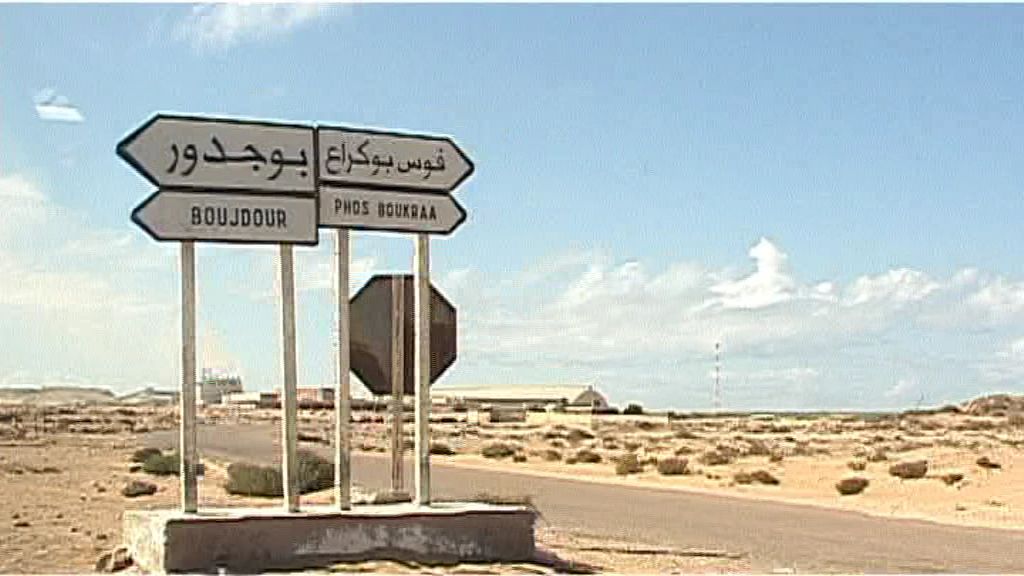
Record low number of importers of Western Sahara phosphates
Only three companies imported phosphate rock from occupied Western Sahara in 2025 - the lowest number ever recorded. The findings appear in our annual P for Plunder report, released today.

One of the richest coastlines in the world
The fish stocks of occupied Western Sahara have not only attracted the interest of the Moroccan fleet: other foreign interests are also fishing in the occupied waters through arrangements with Moroccan counterparts. Along the Western Saharan coastline, a processing industry has emerged.