Dutch government favours EU measure for Western Saharan tomatoes
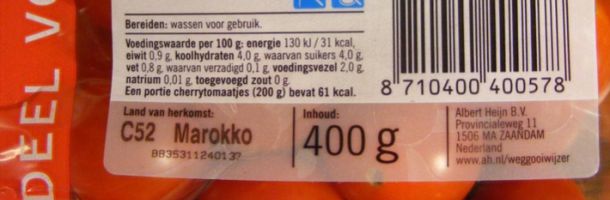
The Dutch government has asked the European Commission to provide clarifications on its imports of tomatoes from Western Sahara, says the Dutch Foreign Affairs Minister.
Published 15 January 2014
In his reply to parliamentary questions on 17 December 2013, Dutch Foreign Affairs Minister Frans Timmermans stated that the Dutch Government would support an EU-wide approach with regard to the labeling of products from Western Sahara, rather than introducing a certificate of origin by itself.
"The Dutch government attaches great importance to the origin of products", the Minister said. Consequently, "the Netherlands have insisted that the European Commission ought to provide more clarity on the origin of products from Western Sahara, so that consumers could be informed correctly. But the European Commission has so far not taken any initiatives on the matter".
Timmermans is convinced that parallels can be drawn between the cases of imports from the Palestinian territory and Western Sahara, but believes that the lack of consensus on imports from the latter can be attributed to the limited attention that the conflict garners.
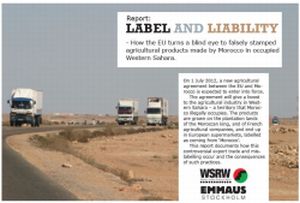 In August 2012, the Dutch government was the first EU government to state that Western Sahara produce should not benefit from the tariff schemes granted to Morocco. The statement was the result of parliamentary questions based on Western Sahara Resource Watch's report 'Label and Liability', which documents how tomatoes produced in occupied Western Sahara find their way to EU supermarkets stamped as from Morocco.
Months later, the Swedish government expressed a similar position.
No state in the world recognises the Moroccan claims over the territory of Western Sahara.
News
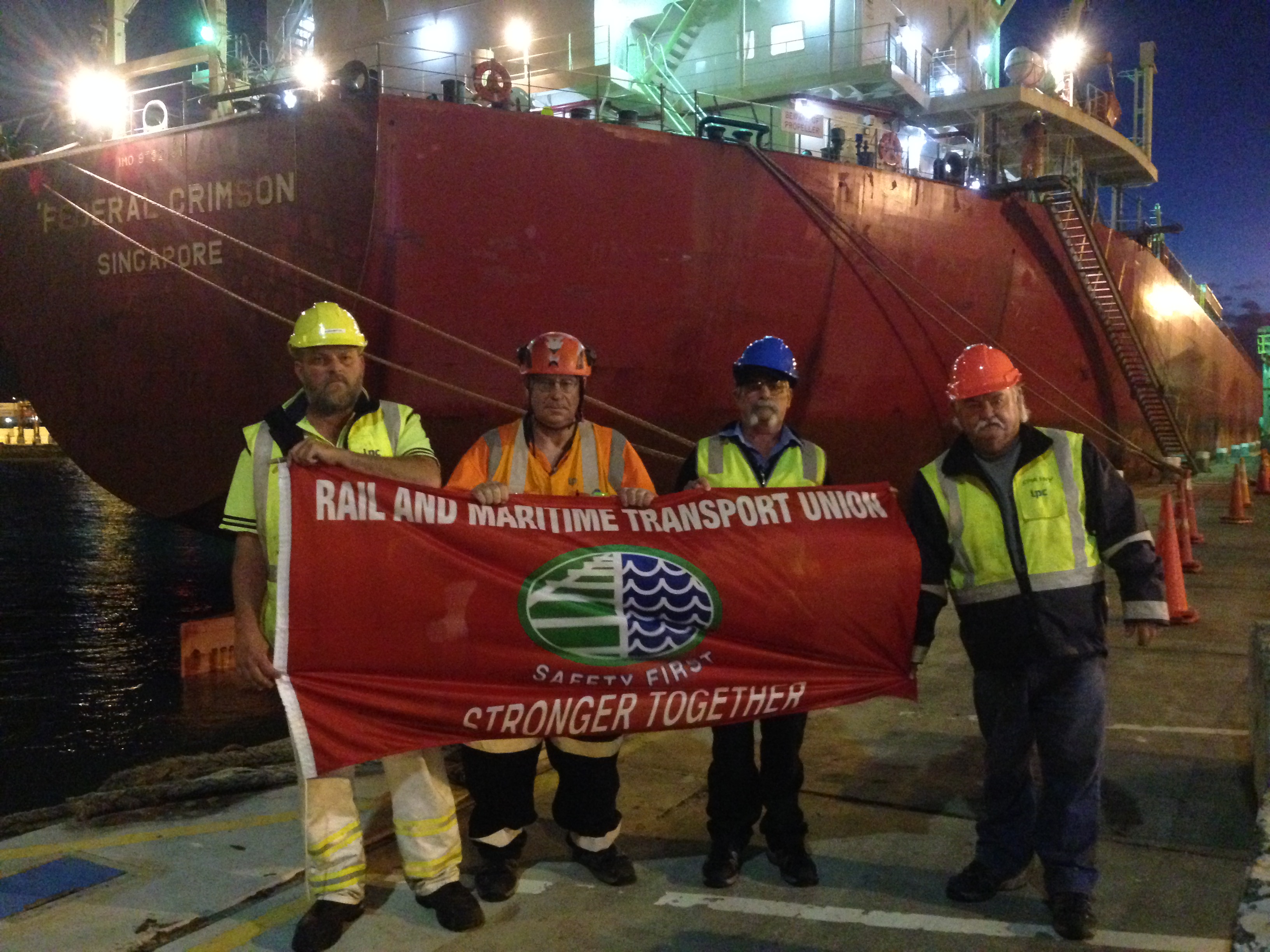
Tūhana human rights advisors ignore human rights
A consultancy hired to assess phosphate imports from occupied Western Sahara into New Zealand concludes there is no problem.
29 April 2026
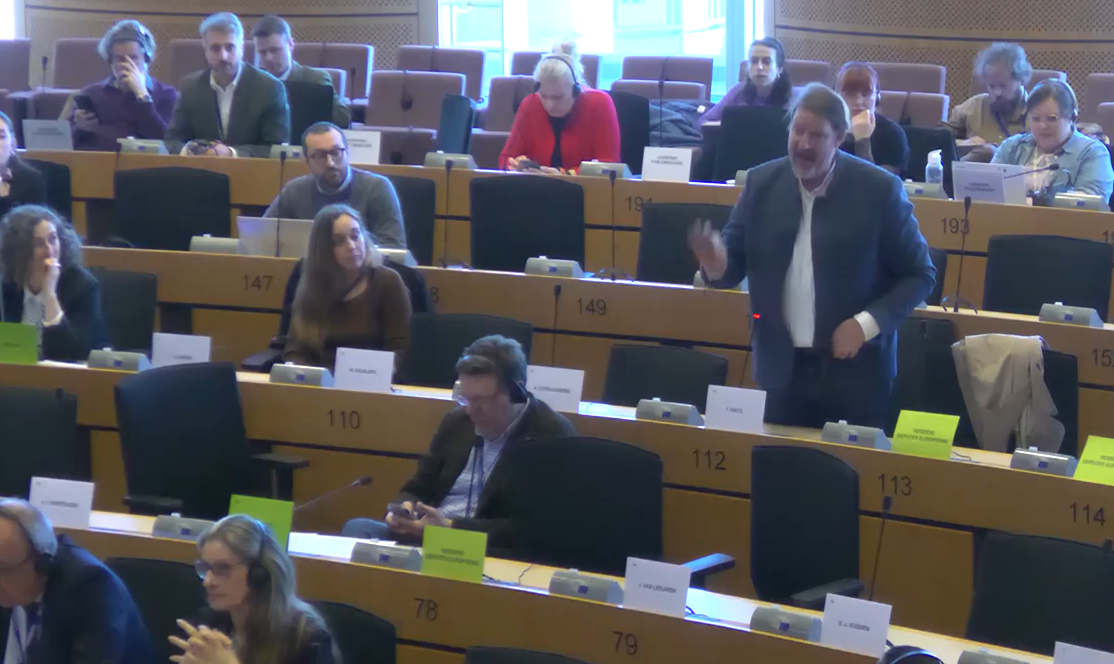
MEPs push back on Commission over Western Sahara in EU–Morocco trade
MEPs from across the political spectrum sharply criticised the European Commission over its handling of EU-Morocco trade relations covering occupied Western Sahara, raising concerns over legality, transparency and an apparent disregard for Parliament’s role.
19 March 2026
SRI update
The following overview enlists stock-exchange registered companies with current or recent operations in occupied Western Sahara. Updated 16 April 2026
15 March 2026
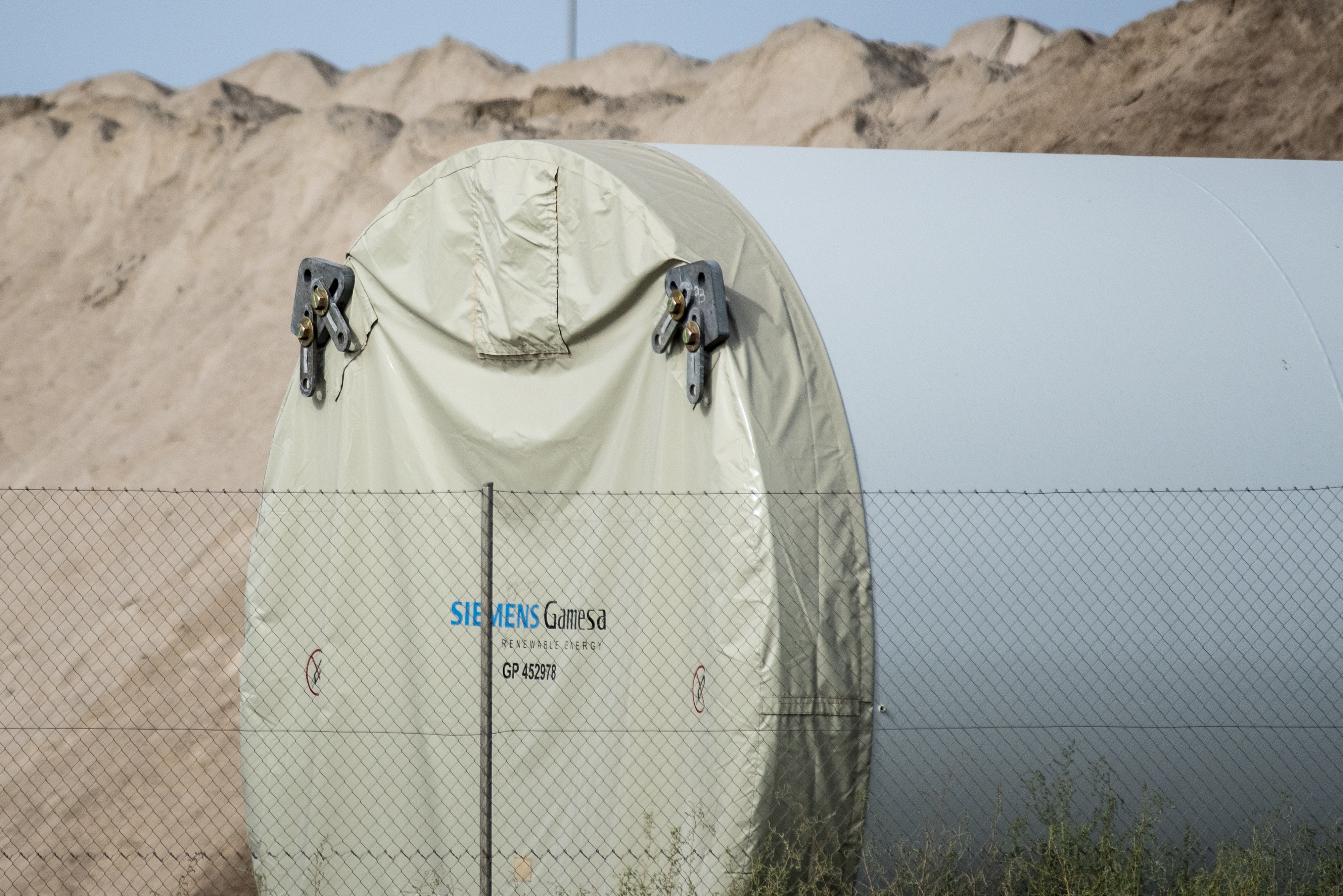
Siemens Energy sidesteps key questions on Western Sahara
At its 2026 Annual General Meeting, Siemens Energy defended its involvement in wind energy projects in occupied Western Sahara.
12 March 2026