
The leading MEP on the proposal to extend EU-Morocco trade relations into occupied Western Sahara wants a legal opinion to be certain the proposed Western Sahara trade scheme meets the standards of the highest EU Court. The European Parliament is to vote this afternoon.
"Asking for a legal opinion does not mean we implicitly reject the Council decision or do not wish to cherish and maintain the close ties we have with our partner Morocco. Instead, it reaffirms the value the European Parliament attaches to core principles of international law", Marietjes Schaake wrote this morning, explaining her position as the European Parliament's rapporteur on the proposal to extend EU-Morocco trade relations into the part of Western Sahara that is occupied by Morocco.
Schaake also explains that potential economic benefits of such an agreement - provided it complies with EU law - must be extended to all living in Western Sahara, including the part that is not controlled by Morocco, "without discrimination and without prejudice to the right of self-determination of the Sahawari people. That is why I, on behalf of my group tabled an amendment asking the European Commission to work towards also extending trade preferences to that part of the Western Sahara not administered by Morocco".
Read Schaake's full explanation on her own website here [or download].
Marietje Schaake has been Rapporteur on the file since 10 December 2018, after her predecessor, French liberal Patricia Lalonde, resigned after EU media had discovered she was an active board member of a lobby-group working for Morocco.
Schaake has built a reputation as staunch supporter of rule-of-law and respect for human rights.
In December 2016, the EU Court of Justice ruled that no EU-Morocco Trade or Association Agreement could be applied to occupied Western Sahara. Morocco has no sovereignty over the territory, or an international mandate to administer it, the Court explained. An EU agreement with Morocco could thus only lawfully affect the territory with the explicit consent of its people.
The proposal that Parliament will vote on this afternoon, does not have the consent of the people of Western Sahara. They were never asked whether they want the EU-Morocco trade relations to be extended into the part of their land that Morocco illegally occupies. The EU Commission simply negotiated the inclusion of the occupied territory with Morocco, ignoring the Saharawis completely. Nevertheless, the EU Commission claims it does not recognize Morocco's self-proclaimed sovereignty over Western Sahara and that the proposal will resort positive effects on the UN peace process.
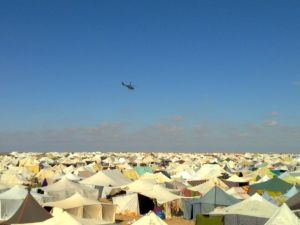
Gdeim Izik prisoners resume hunger strike
Saharawi political prisoners have resumed a hunger strike in Moroccan prisons, demanding their release, improved detention conditions and the implementation of UN decisions.
SRI update
The following overview enlists stock-exchange registered companies with current or recent operations in occupied Western Sahara. Updated 28 September 2026.
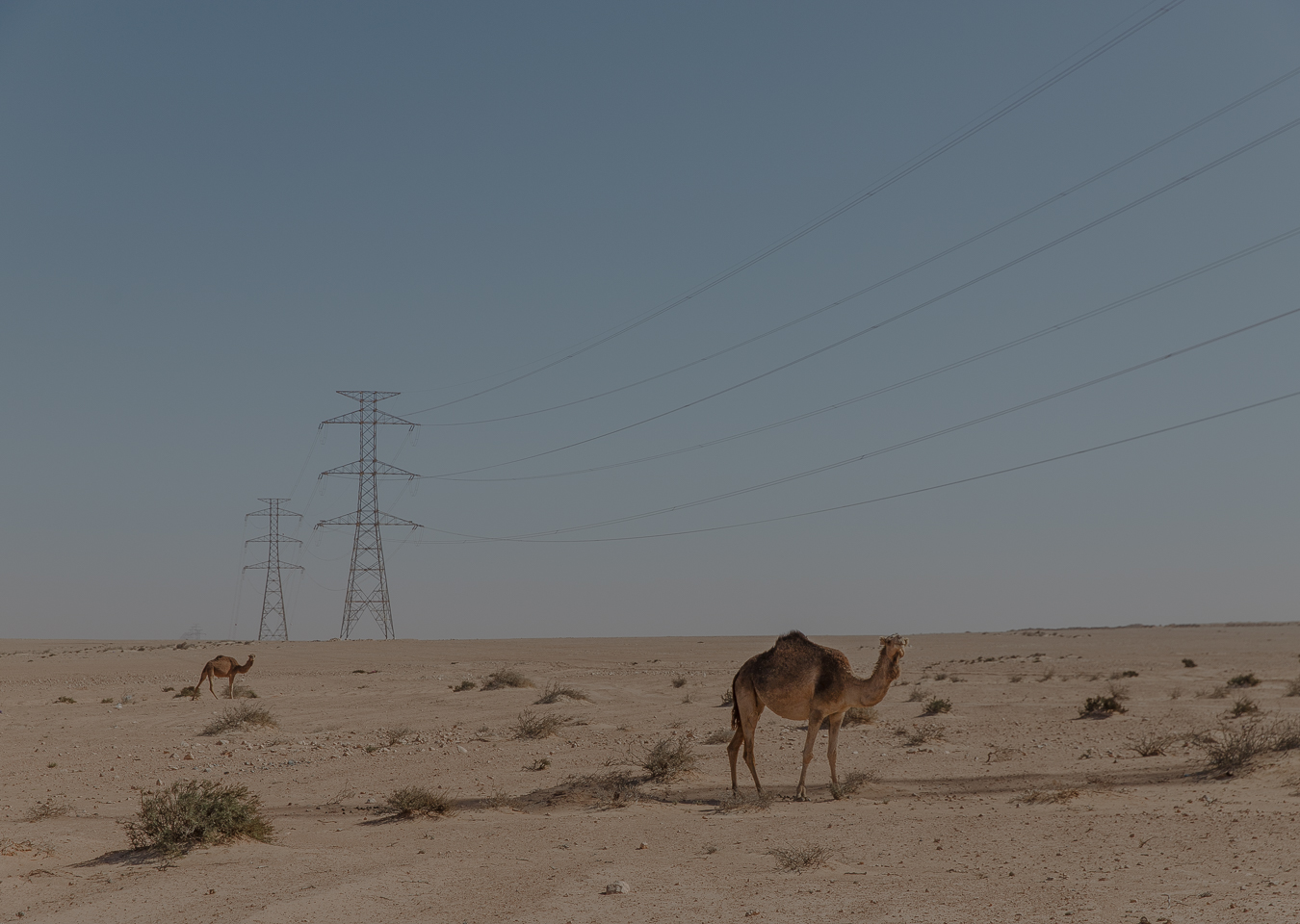
Another company of the Moroccan king involved in occupied Western Sahara
A company closely linked to Morocco’s royal business network has entered a new project in occupied Western Sahara, partnering with a Chinese state-owned electricity giant on high-voltage infrastructure in Boujdour.
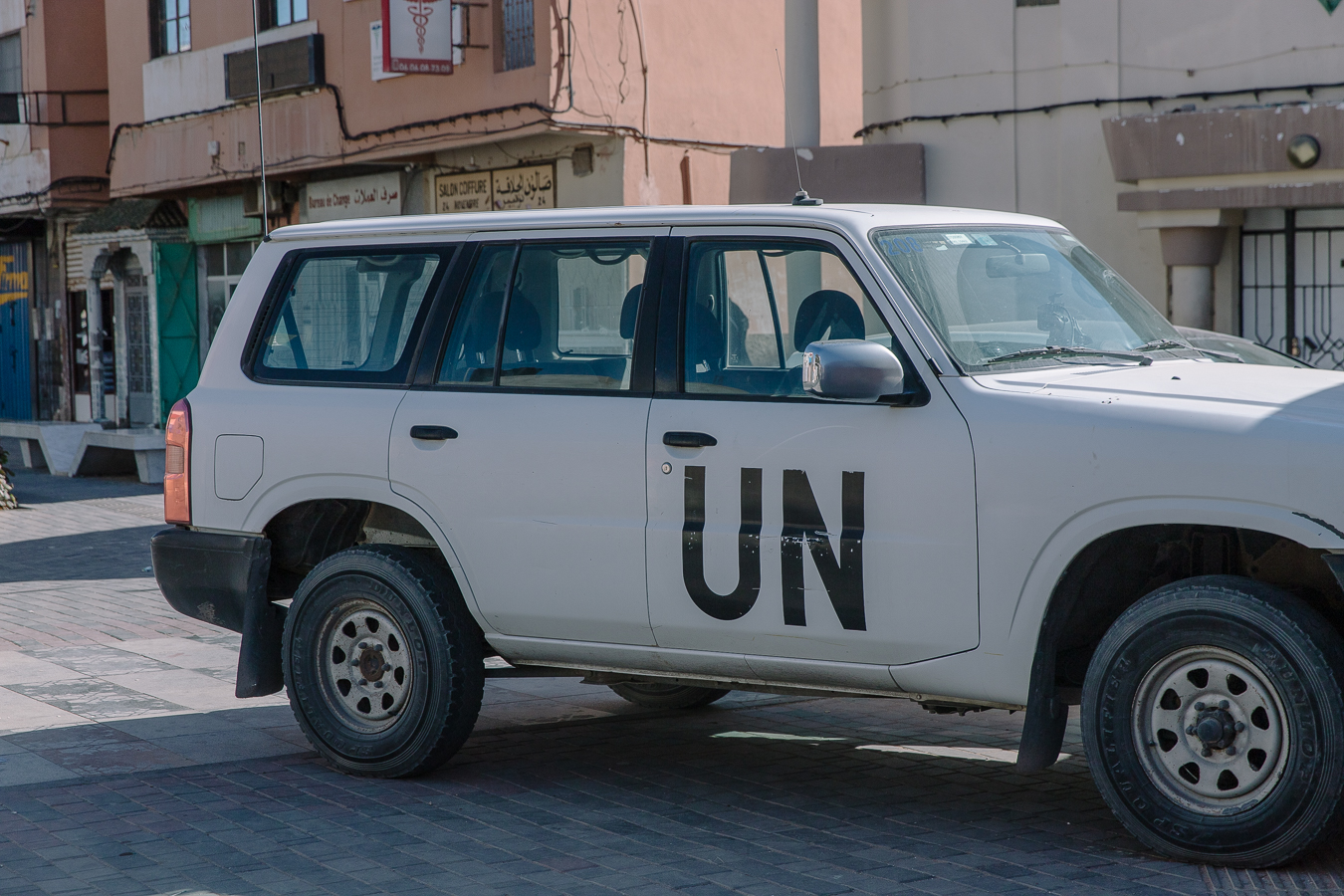
Don't let resource exploitation decide Western Sahara's future
Western Sahara Resource Watch calls on the UN to address the accelerating exploitation of the territory’s natural resources - and prevent it from becoming an even greater obstacle to self-determination.