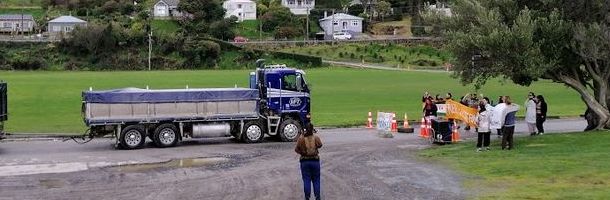
Protesters blocked two trucks at Ravensdown's plants and approached New Zealand's Prime Minister on the country's dependency on illegally exploited conflict minerals from occupied Western Sahara.
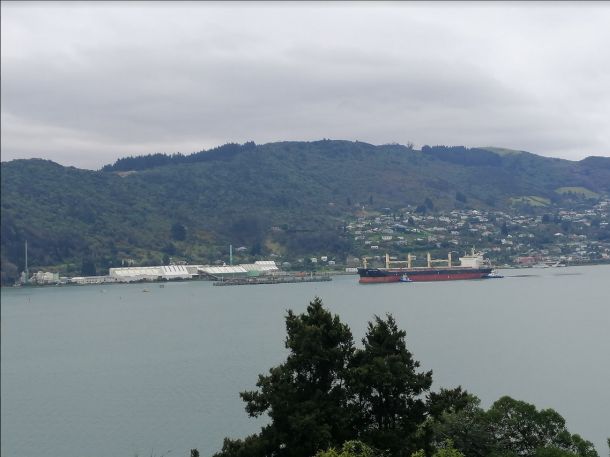
5 September 2019, about 30 people gathered at the Ravensdown Ltd plant in Dunedin, New Zealand, to throw an "unwelcome party" for the cargo vessel Amoy Dream (Hong Kong, IMO: 9583615). Five days before, the vessel carrying around 50,000 tons of phosphate from occupied Western Sahara, was met by another group of protesters as it docked at Ravensdown's plant in Christchurch.
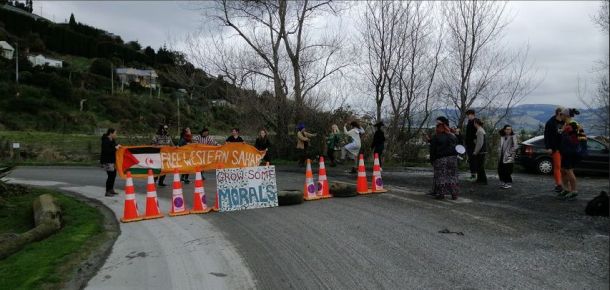
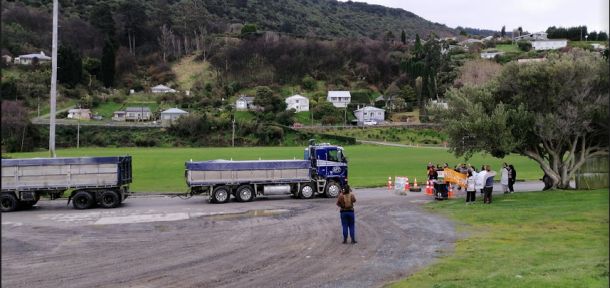
The protesters stated they had blocked two trucks transporting super-phosphate fertilizer from leaving the plant for about an hour until the police arrived. Reportedly, one of the trucks accelerated into the protesters while attempting to leave the premise. Western Sahara Resource Watch (WSRW) is not aware of any injuries.
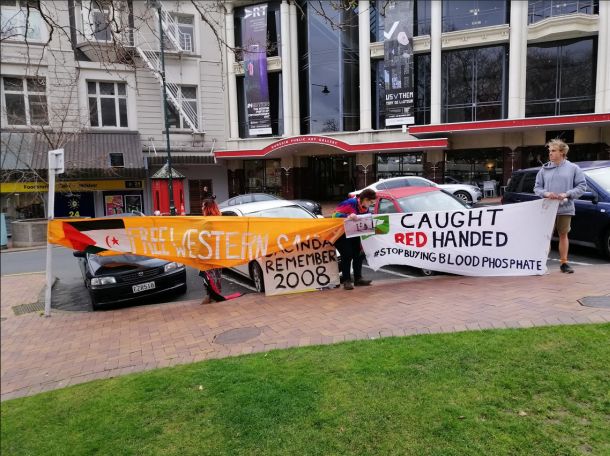
A small group of protesters also took to the Dunedin Public Art Gallery to approach New Zealand's Prime Minister Jacinda Ardern, who was attending in an event there. They had signs with slogans saying "Free Western Sahara" and "Jacinda remember 2008", reminding the Prime Minister of her visit to the Saharawi refugee camps in Algeria in that year.
Find photos of the protest below.
Ravensdown is one of two Kiwi farmers' cooperatives that have a longtime imported phosphate rock from the phosphate mines in Western Sahara, that are exploited by Morocco ever since it invaded and illegally annexed parts of Western Sahara in 1975. Ballance Agri-Nutrients Ltd has been importing since the 1980s.
The UN regards Western Sahara as an unfinished decolonisation. The territory's people, the Saharawis, have an internationally acknowledged right to self-determination, and not a single State in the world recognises Morocco's baseless claim to its southern neighbour.
While Saharawis are forced to live as refugees in the inhospitable Algerian desert or suffer the yoke of the occupation in their homeland, Morocco reels in the profits from selling the resources of a land to which it has no claim. As a result, its incentive to engage in the UN's peace-efforts are low, and the peace-process has been deadlocked for over a decade. Particularly lucrative to Morocco are Western Sahara's phosphate reserves which are renowned for their high quality - a quality Ravensdown claims to be crucial for the production of its super-phosphate fertilizer products.
Gdeim Izik prisoners resume hunger strike
Saharawi political prisoners have resumed a hunger strike in Moroccan prisons, demanding their release, improved detention conditions and the implementation of UN decisions.
SRI update
The following overview enlists stock-exchange registered companies with current or recent operations in occupied Western Sahara. Updated 28 September 2026.
Another company of the Moroccan king involved in occupied Western Sahara
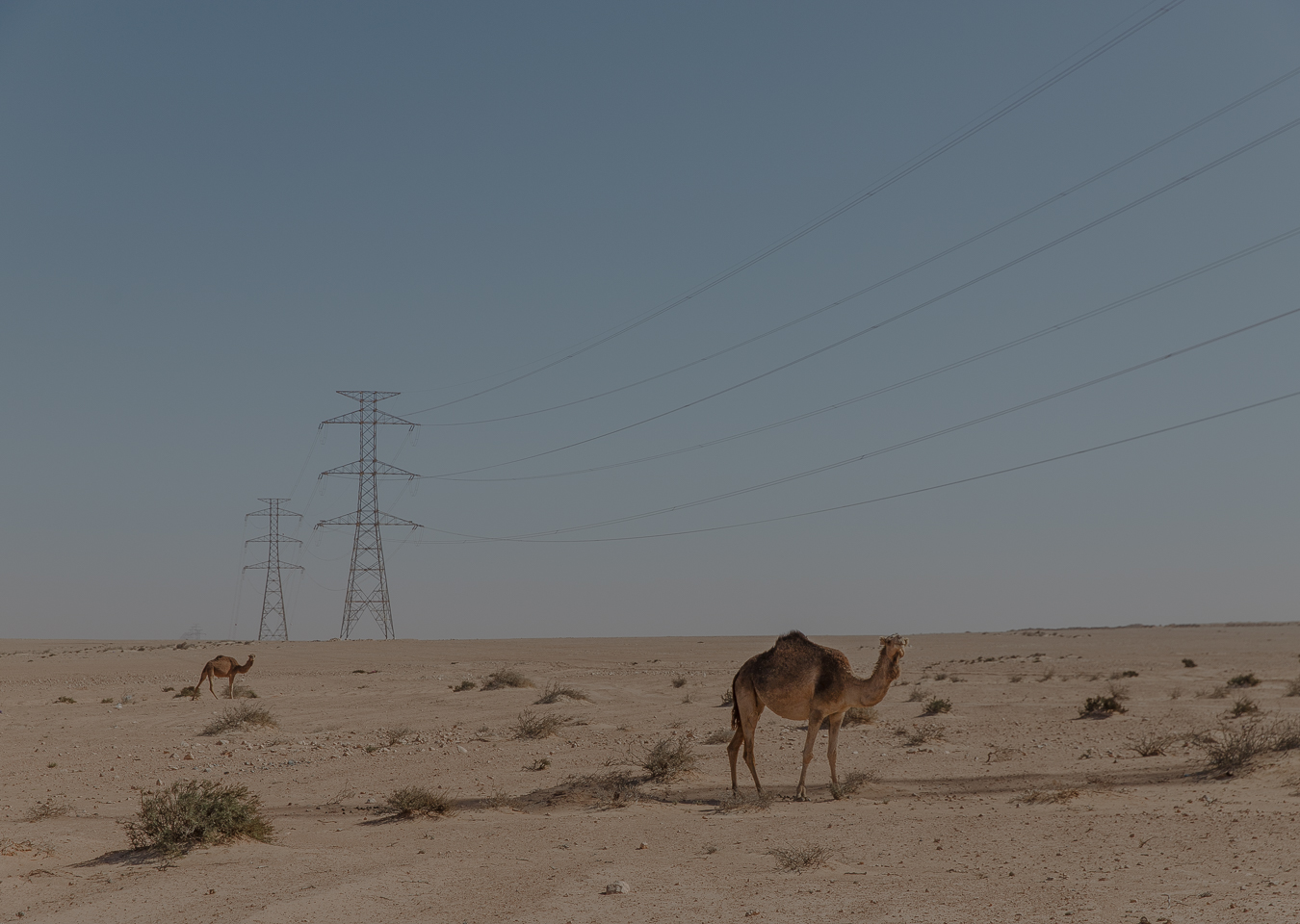
A company closely linked to Morocco’s royal business network has entered a new project in occupied Western Sahara, partnering with a Chinese state-owned electricity giant on high-voltage infrastructure in Boujdour.

Don't let resource exploitation decide Western Sahara's future
Western Sahara Resource Watch calls on the UN to address the accelerating exploitation of the territory’s natural resources - and prevent it from becoming an even greater obstacle to self-determination.