Siemens’s African division in Denmark has signed a contract for delivery of wind turbines to Morocco-occupied Western Sahara. The indigenous population has not been consulted, as prescribed by the UN. Danwatch, 4 March 2012.
Siemens’s Danish Division Signs Contract to Occupied Land
Danwatch
4 March 2012
[Translated from Danish by Western Sahara Resource Watch]
Siemens’s African division in Denmark has signed a contract for delivery of wind turbines to Morocco-occupied Western Sahara. The indigenous population has not been consulted, as prescribed by the UN.
Siemens has just announced a new deal with the Moroccan firm Nareva Holding for delivery of 44 wind turbines. The deal contributes to the fulfilment of Morocco’s wish to have 20% renewable energy in 2020.
The windmills are to be put up 9 km south of the harbour city Laayoune in Morocco-occupied Western Sahara, which is not recognised as Moroccan territory by the UN.
Jan Kjærsgaard, Manager of Siemens’s Danish division, considers the internationalisation strategy a success, but human rights groups are worried.
The UN does not acknowledge Morocco’s possession of Western Sahara. Erik Hagen of Western Sahara Resource Watch is therefore surprised by the contract: “Nareva Holding should not negotiate with regard to goods and ground it does not itself own”, he said and continued: “Siemens’s investment in Foum El Oued must be stopped. The Sahrawi people, the rightful owners of the land, have not been consulted.”
Even though Siemens, in endorsing the UN’s Global Compact, has agreed to examine its contracts for human rights and environmental risks, the company does not have an attitude with regard to which customers it will deliver to or what the customer does with Siemens’s products.
“Siemens’s attitude is that Siemens supplies windmills, and it is the customer who decides where they are to be placed,” Public Relations Officer Rasmus Windfeld stated. But Siemens’s contract also entails delivery, installation, and 5 years’ service, which means that Siemens will be working on occupied land.
Per Clausen, environmental and climate chairman for Denmark’s Red-Green Alliance, is not satisfied with this: “It is totally unacceptable that Siemens is putting up windmills in occupied Western Sahara. I call upon the Danish government to protest to Siemens and put pressure on the company to drop the project.”
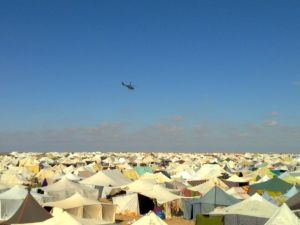
Gdeim Izik prisoners resume hunger strike
Saharawi political prisoners have resumed a hunger strike in Moroccan prisons, demanding their release, improved detention conditions and the implementation of UN decisions.
SRI update
The following overview enlists stock-exchange registered companies with current or recent operations in occupied Western Sahara. Updated 28 September 2026.
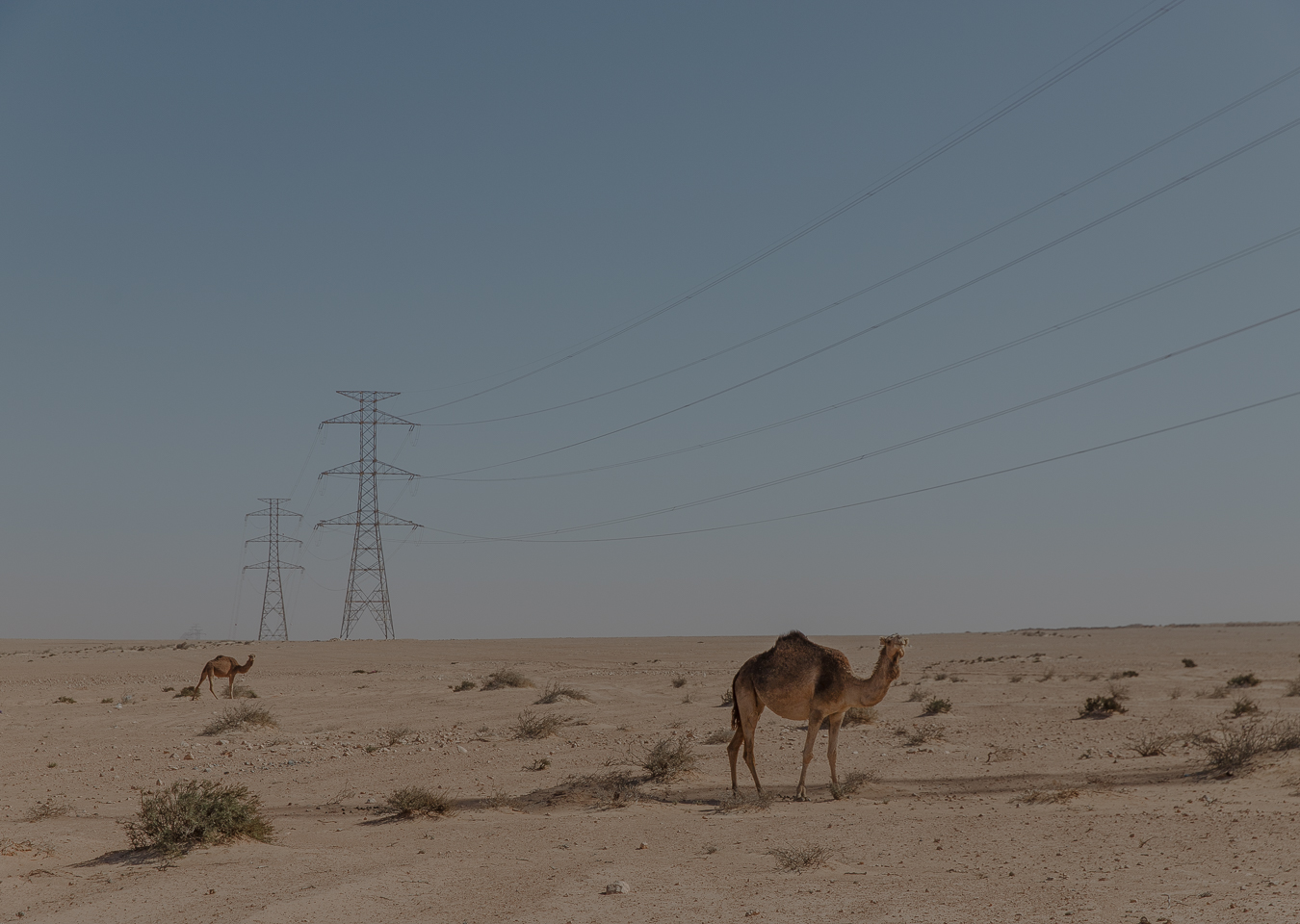
Another company of the Moroccan king involved in occupied Western Sahara
A company closely linked to Morocco’s royal business network has entered a new project in occupied Western Sahara, partnering with a Chinese state-owned electricity giant on high-voltage infrastructure in Boujdour.
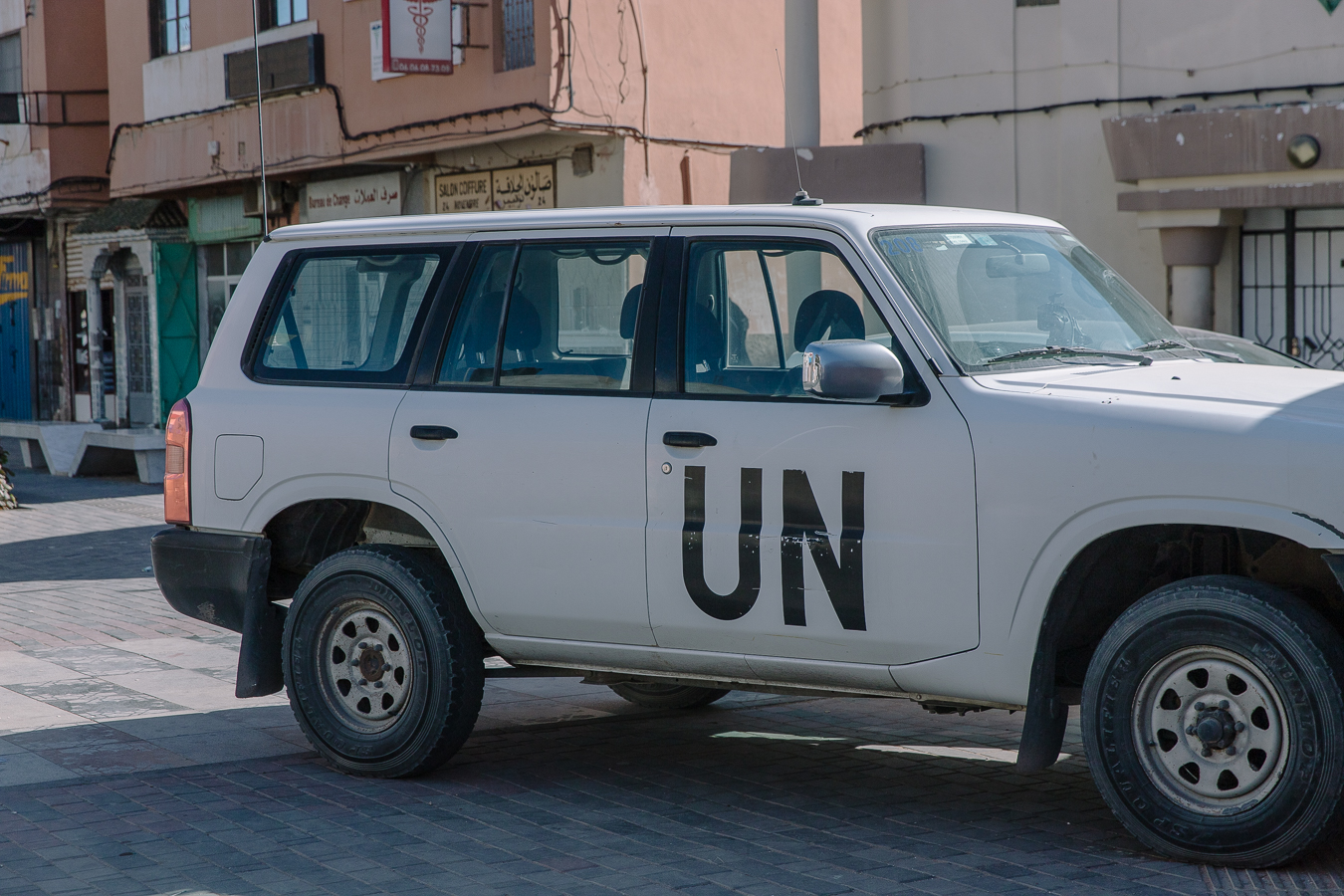
Don't let resource exploitation decide Western Sahara's future
Western Sahara Resource Watch calls on the UN to address the accelerating exploitation of the territory’s natural resources - and prevent it from becoming an even greater obstacle to self-determination.