San Leon: “Saharawis are not representative”
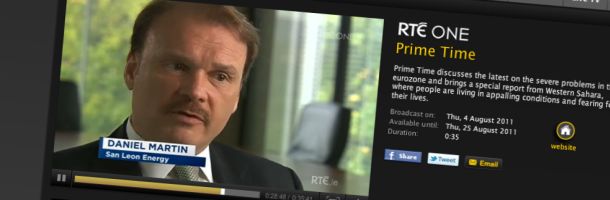
The Irish firm San Leon disagrees with the UN and the Irish government. “They are not a representative people”, the firm stated to Irish national TV.
Published 08 August 2011
The Irish oil company San Leon Energy is operating in Western Sahara in violation of international law, and the opinion of the legal departement of the UN. According to the UN, the Irish government and the rest of the international community, no oil research in Western Sahara can take place without consulting with the people of the territory.
However, when confronted by Ireland’s most watched current affairs programme "Primetime" on public service broadcaster RTE, 4 August 2011, a representative of the firm stated it would not consult with the people of Western Sahara since it is “not representative”.
This was the first time San Leon has given statements on the matter. WSRW sent a letter to the firm on 21 July, and awaits reply. San Leon has received numerous requests on the matter over the last years, from both concerned Irish and Saharawi people, but has never replied.
The reason why the firm does not want to take into account the wishes of the people of the territory, is that the Saharawis “would not speak to us”, since the people “very much take side”. The point is interesting, taking into account that the Saharawis have sent numerous letters to San Leon, none of which have been answered by the firm.
The statements were given by Daniel Martin, a London based lawyer of San Leon. Representatives of Moroccan government declined to take part in the programme.
See the full transcript of the surprising San Leon interview below.
[San Leon:] We knew that there was a dispute. And we knew that there were problems in the area. We take international obligations seriously.
[RTE:] In order to be legal, any extraction of natural resources must benefit local people. But they don’t see any. They’ve been protesting against San Leon and some people even went on hunger strike to highlight the injustice.
[San Leon:] I am not aware of that. Any time we receive information like that we do genuinely pass it on the Moroccans.
[RTE:] Do you have any line of communication to the Saharawi people?
[San Leon:] We don’t, no we don’t.
[RTE:] Why not?
[San Leon:] Because they’re not…from our point of view, and certainly from the point of view of the organisation and the government that issues our licence, they are not a representative people.
[RTE:] Why not consult with them directly, say “are you benefiting”?
[San Leon:] I don’t think they would actually speak to us, to be honest, that’s just kind of the way that things go, in this dispute
[RTE:] Why?
[San Leon:] People very much takes side, I’m afraid.
[RTE:] From what I can tell from you is, you are making hundreds of millions and you some time in the future they might benefit, it is not very clear is it?
[San Leon:] With all due respect, there’s nothing about this situation that is very clear. There’s absolutely nothing about this situation that is very clear. What we’re doing now…think about it this way...we’re not generating income. It’s not like we’re got a money making machine in the desert. What we’re doing right now is relaying the scientific groundwork.
News
Gdeim Izik prisoners resume hunger strike
Saharawi political prisoners have resumed a hunger strike in Moroccan prisons, demanding their release, improved detention conditions and the implementation of UN decisions.
06 October 2026
SRI update
The following overview enlists stock-exchange registered companies with current or recent operations in occupied Western Sahara. Updated 28 September 2026.
28 September 2026
Another company of the Moroccan king involved in occupied Western Sahara
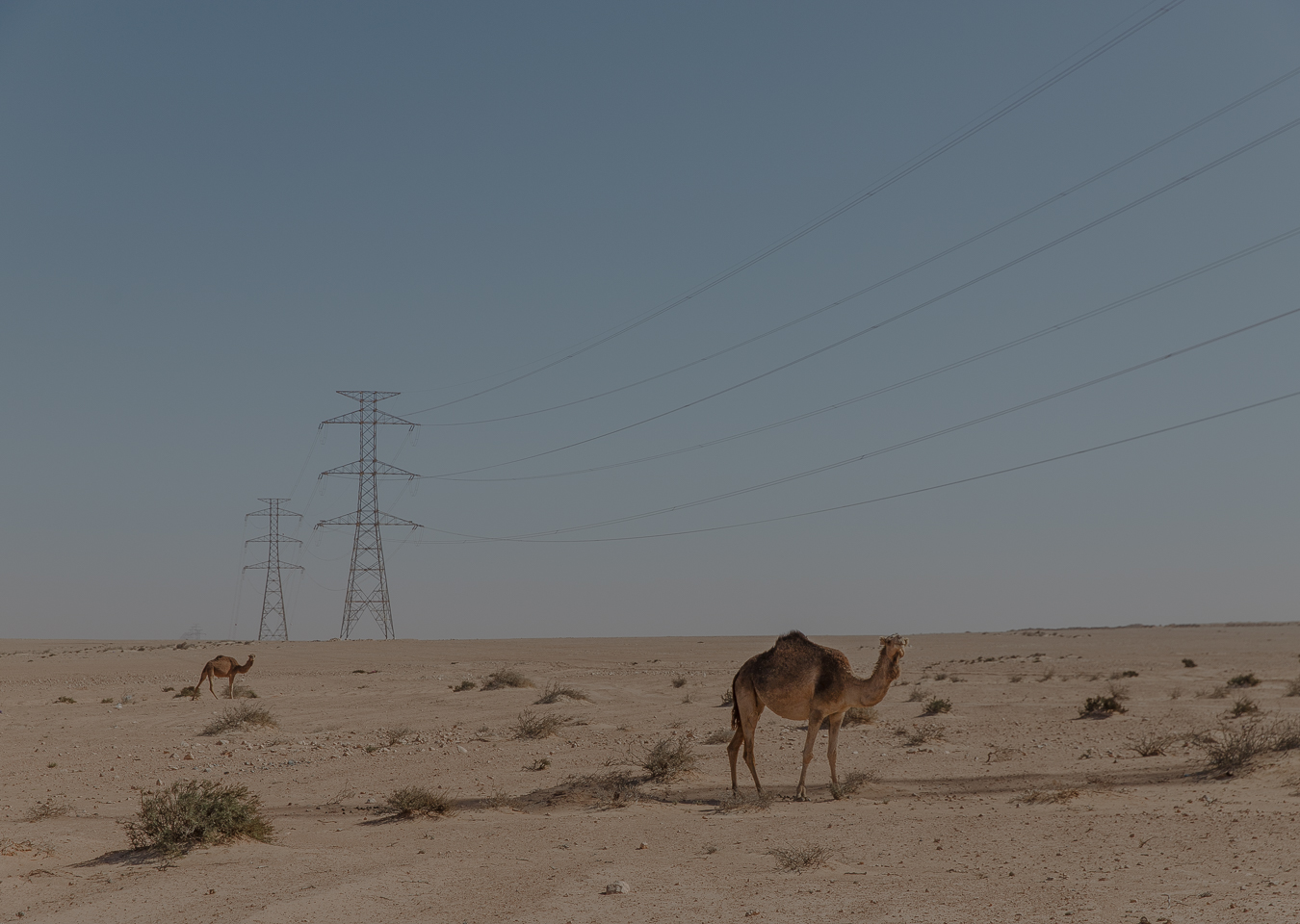
A company closely linked to Morocco’s royal business network has entered a new project in occupied Western Sahara, partnering with a Chinese state-owned electricity giant on high-voltage infrastructure in Boujdour.
10 September 2026
Don't let resource exploitation decide Western Sahara's future
Western Sahara Resource Watch calls on the UN to address the accelerating exploitation of the territory’s natural resources - and prevent it from becoming an even greater obstacle to self-determination.
08 September 2026