European Parliament approves Morocco agricultural agreement
Today, the European Parliament backed a revision of the Moroccan Free Trade Agreement, allowing for further liberalisation of Moroccan agricultural and fisheries products. The agreement fails to specify that it does not apply to Western Sahara.
Published 16 February 2012
In today's plenary session, 369 MEPs voted in favour, 225 against and 31 abstained on an agreement that will allow more Moroccan products to enter the EU market.
The new trade regime for agricultural and fisheries products provides for an almost total liberalisation for most products, but contains volume restrictions or tariff quotas for a list of products which are considered "sensitive" to the European Union. These specific conditions apply to tomatoes, cucumbers, strawberries, tangerines, garlic, zucchini and sugar.
The agreement fails, however, to specify that production of Western Sahara must be excluded. In its recent report "Conflict Tomatoes", WSRW identified 11 farms in the vicinity of Dakhla, in the south of Western Sahara. All are owned by either French-Moroccan conglomerates or the king of Morocco. These illegal agricultural sites could now be put in competition with the European Union's own producers.
For months, agricultural organisations from the south of Europe have expressed their opposition to the deal. Morocco presents a tough competitor for them, not having to comply with the same environmental and labour standards as the European farmers.
Sharing these concerns, a significant minority of MEPs refused to consent to the deal. Opponents also cited the inclusion of Western Sahara in the agreement as being in violation of international law.
Morocco occupied Western Sahara in 1975, and severely suppresses the Saharawi people who ask for their right to self-determination be respected. More than 100 UN resolutions call for the right to self-determination for the people of Western Sahara - but Morocco continues to thwart the exercise thereof.
The agreement will not enter into force before 1 May.
News

Gdeim Izik prisoners resume hunger strike
Saharawi political prisoners have resumed a hunger strike in Moroccan prisons, demanding their release, improved detention conditions and the implementation of UN decisions.
06 October 2026
SRI update
The following overview enlists stock-exchange registered companies with current or recent operations in occupied Western Sahara. Updated 28 September 2026.
28 September 2026
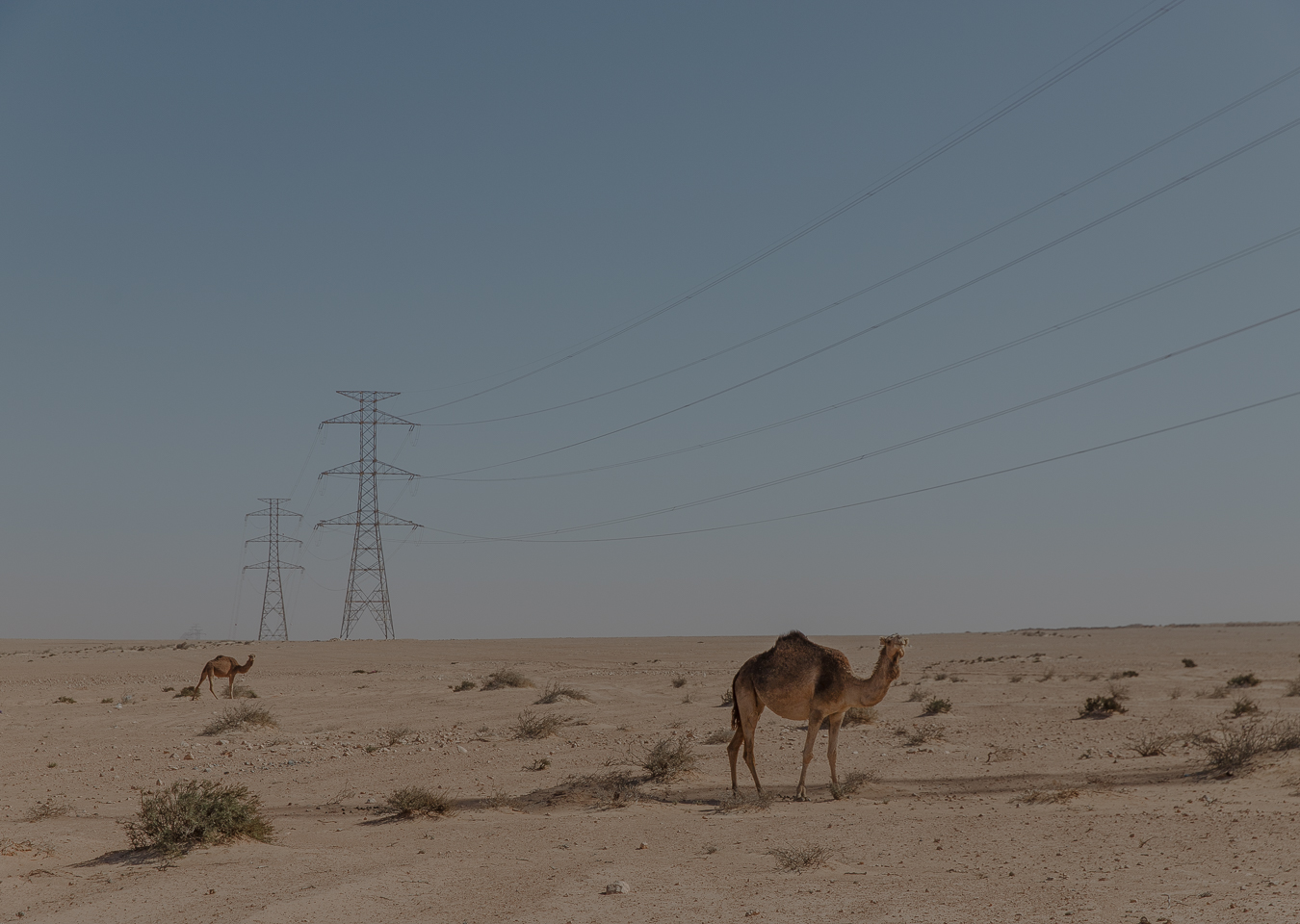
Another company of the Moroccan king involved in occupied Western Sahara
A company closely linked to Morocco’s royal business network has entered a new project in occupied Western Sahara, partnering with a Chinese state-owned electricity giant on high-voltage infrastructure in Boujdour.
10 September 2026
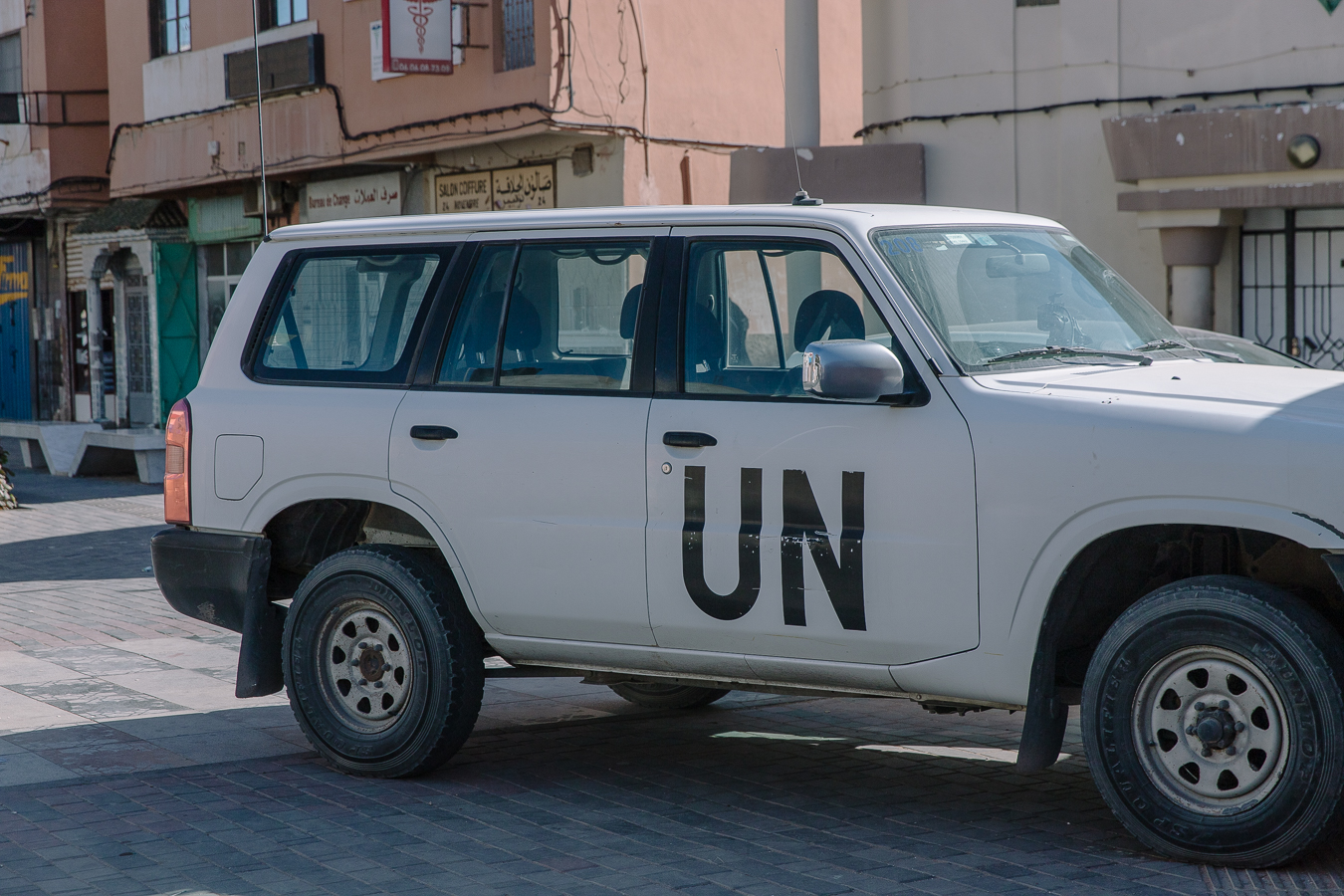
Don't let resource exploitation decide Western Sahara's future
Western Sahara Resource Watch calls on the UN to address the accelerating exploitation of the territory’s natural resources - and prevent it from becoming an even greater obstacle to self-determination.
08 September 2026