
For years, OCP has been providing housing for its Moroccan workers and their families. But it appears that Saharawi workers, living on their land under occupation, don’t benefit from this advantage.
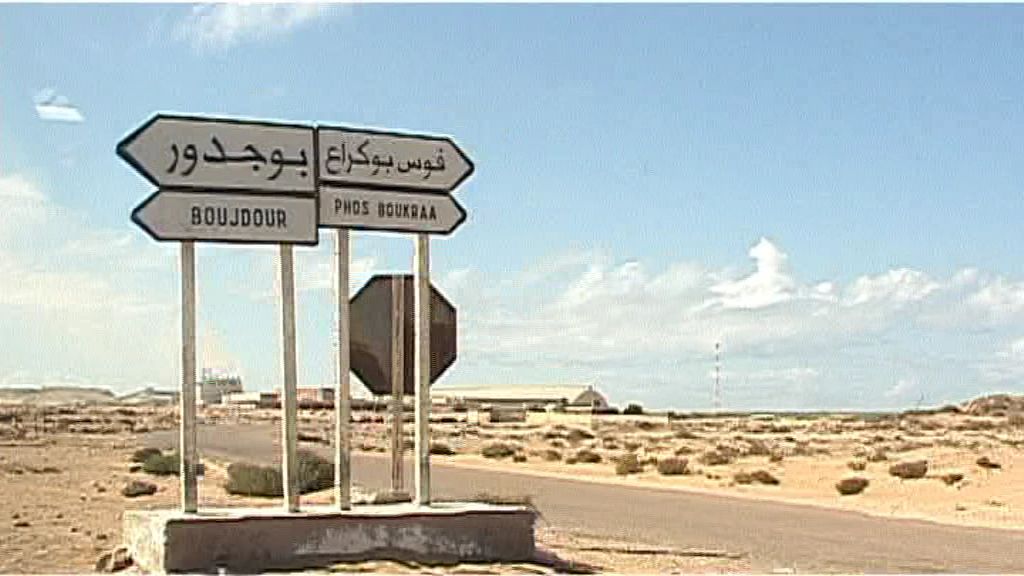
Since Morocco’s invasion of Western Sahara in 1975, OCP has been exploiting the Fos Boucraa mines, located around 100 kilometres from the Western Saharan capital El Aaiun. Ever since the take-over, Saharawi workers at Fos Boucraa have been massively replaced by Moroccan settlers, especially in senior positions. Today, the Saharawi workers themselves claim to be a minority in the company’s workforce, not exceeding 200 labourers on a total staff of about 1.700.
But according to some of the Saharawi workers, the discrimination doesn’t end there. At a recent meeting between OCP officials and the construction company Al Omran, the latter supposedly agreed to build houses in Agadir and Marrakech for OCP’s employees. Saharawi employees objected to the discriminatory advantage favouring Moroccan settlers and demanded housing in El Aaiun or the financial equivalent thereof, in order to build houses for themselves in Western Sahara.
During a meeting between OCP representatives and the workers in El Aaiun on 29 February 2012, OCP appeared reluctant to discuss the problem, according to reports from the occupied territory. For Saharawi workers’ representative, Mouloud Amidane, this was one time too many. Tired of consistently unfulfilled promises, he refused to leave the meeting room, triggering his peers to join him in a sit-in. The management decided to end the meeting there and then.
Mouloud Amidane was born in 1965 in El Aaiun. He has been employed at OCP Phosboucraa, Department of Management in El Marsa, since 1986. He is a member of the Moroccan national trade union UGTM (General Workers Union in Morocco), and in his second consecutive term as workers' representative. He is currently also a member of the committee of dialogue with the administration.
About one week after the contentious meeting, on 8 March, employee representatives purportedly agreed to OCP’s proposed constructions in Morocco during a meeting to which Amidane was not invited. Being denied the minutes of that meeting, in addition to having been denied a visit by the company’s doctor and pressure being exerted on his family and Saharawi co-workers, Mouloud Amidan conducted a hunger strike from March 9 to 14, in the meeting room that he had still not left.
On 13 March, Amidane received notice that he will be "removed from the controls of the company" if he does not justify his absence without leave since March 1. A meeting with the manager on 27 March came to nothing. Two days later, a sit-in claiming respect for workers' rights and solidarity with trade unionists brought together 120 people.
Amidane’s Saharawi colleagues claim that the security level of the company has been increased: more than one hundred officers from a private security company and 12 dogs have been added to the corporate security teams.
Since taking over the Fos Boucraa mines in Western Sahara in 1975, OCP has been gradually laying off Saharawi. Benefits acquired by the Saharawi during the Spanish colonial period were taken from them. Some still claim the right to receive retirement benefits, for example, or to be treated equally to the Moroccan workers in terms of pay scales and promotion.
OCP has been running housing programmes since the seventies. Saharawi workers say they have never benefited from this advantage. They claim that 1.000 to 1.500 Saharawi workers who were at one point employed by Fos Boucraa, may have never received housing assistance.

Heidelberg Materials deepens its role in Morocco’s occupation of Western Sahara
The German company confirms once again that its operations in occupied Western Sahara are closely tied to Morocco’s infrastructure expansion in the territory - while continuing to dismiss the Saharawi people’s right to consent.

The conflict phosphates - four decades of plunder
For over 40 years, a Moroccan state-owned company has exported phosphate rock from occupied Western Sahara.
Record low number of importers of Western Sahara phosphates
Only three companies imported phosphate rock from occupied Western Sahara in 2025 - the lowest number ever recorded. The findings appear in our annual P for Plunder report, released today.

One of the richest coastlines in the world
The fish stocks of occupied Western Sahara have not only attracted the interest of the Moroccan fleet: other foreign interests are also fishing in the occupied waters through arrangements with Moroccan counterparts. Along the Western Saharan coastline, a processing industry has emerged.