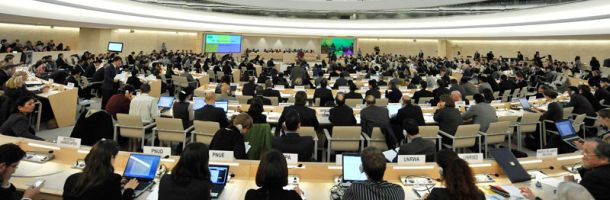
While the UN Human Rights Council is gearing up to review Morocco’s human rights slate, WSRW urges the international community to give due attention to the rights of the Saharawi people.
Update: WSRW is pleased to note that several countries did raise the issue of Western Sahara during Morocco's UPR-session. Transcripts of those statements are available here.
Today, the UN Human Rights Council in Geneva will commence reviewing Morocco’s compliance with international human rights treaties it has signed up to. Morocco’s Universal Periodic Review, as the process is called, will kick off this afternoon, 22 May, when the working group session is scheduled to take place.
In a conference in Geneva this morning, WSRW called on the international community to also take into consideration Morocco’s human rights track record outside of its internationally recognised borders, specifically in the areas of Western Sahara it has occupied since 1975.
“The socio-economic rights of the Saharawis are being violated daily, even though the territory is rich on natural resources”, said Erik Hagen of the Board of WSRW.
The event was organised by the Robert F. Kennedy Center for Justice and Human Rights, the Saharawi human rights organisation CODESA, and Geneva based human rights groups. President of CODESA, Mrs. Aminatou Haidar, also underlined the plunder of the rich territory.
Last year, Western Sahara Resource Watch in cooperation with Sahara Thawra, submitted a report to the Human Rights Council, underlining that Morocco’s continuous exploitation of Western Sahara’s ample natural resources violates international law for failing to take into account the wishes and the interests of the territory, the Saharawi people.
The WSRW-Sahara Thawra joint-submission has been retained by the UN and is included in the Official Summary of Stakeholders’ Submissions, which can be consulted here.
According to international law, the Saharawi people have a right to be heard on economic activities taking place in their country, should consent to and benefit from them. But Morocco has never obtained the consent from the Saharawi, and benefits stemming from natural resource exploitation flow back to Morocco’s treasury. Jobs rooted in the illegal exploitation, are overall given to Moroccan settlers, lured into the territory with tax exemptions and lower living costs.
“It is the nexus between the pillage of natural resources in Western Sahara coupled with the introduction of settlers from Morocco - now substantially outnumbering the Saharawi population - that is the gravest concern for impeding the work, civic participation and social circumstances of the Saharawi people in the occupied part of the territory,” states the WSRW-Thawra report.
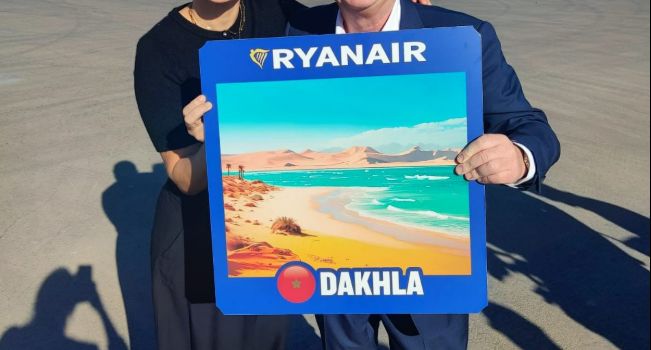
Irish ad watchdog: Ryanair misleading about flights to Western Sahara
In a preliminary decision, the Irish advertising watchdog says the airline’s ads are likely to mislead, as Dakhla is “not a part of Morocco”.
Gdeim Izik prisoners resume hunger strike
Saharawi political prisoners have resumed a hunger strike in Moroccan prisons, demanding their release, improved detention conditions and the implementation of UN decisions.
SRI update
The following overview enlists stock-exchange registered companies with current or recent operations in occupied Western Sahara. Updated 28 September 2026.
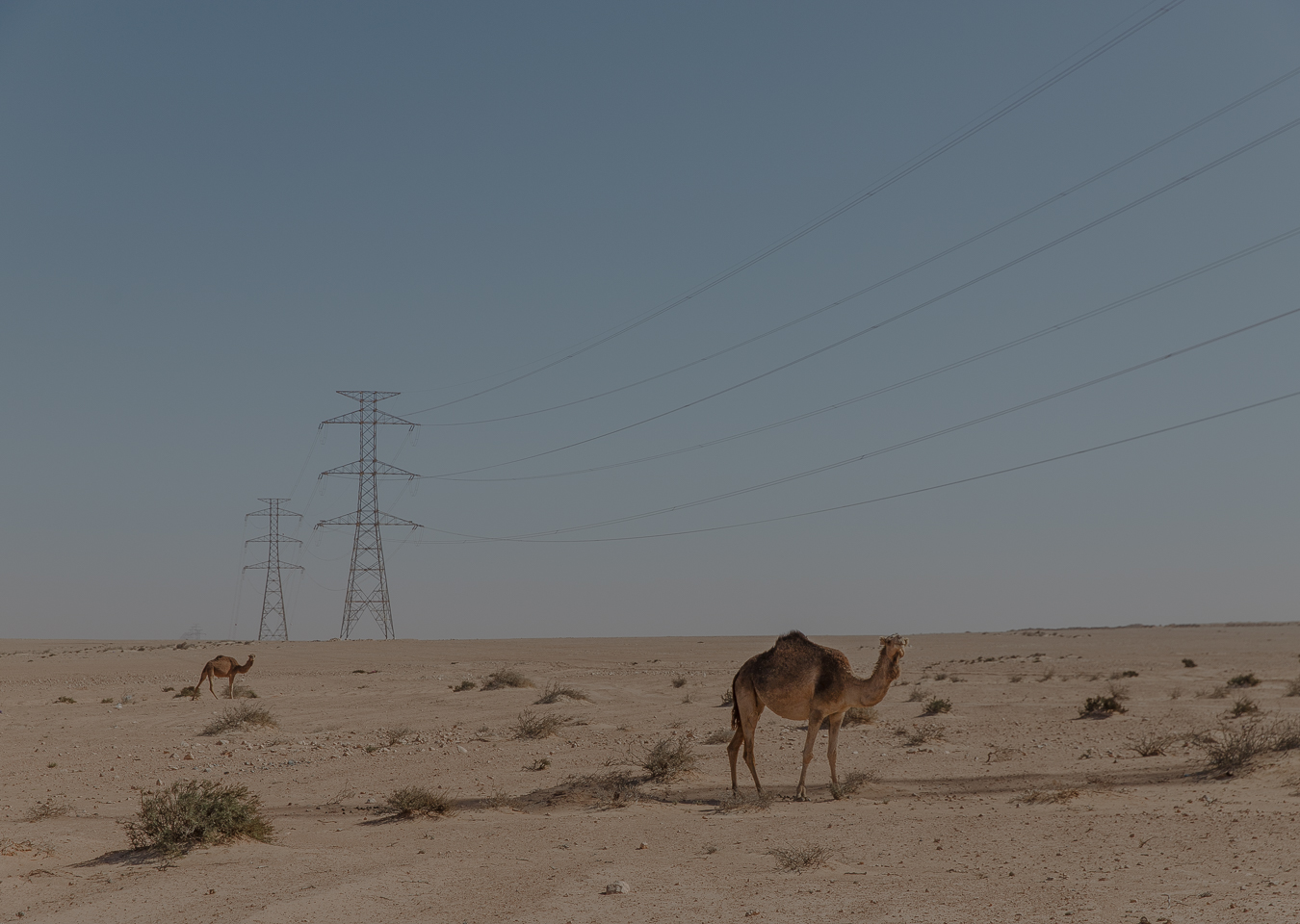
Another company of the Moroccan king involved in occupied Western Sahara
A company closely linked to Morocco’s royal business network has entered a new project in occupied Western Sahara, partnering with a Chinese state-owned electricity giant on high-voltage infrastructure in Boujdour.