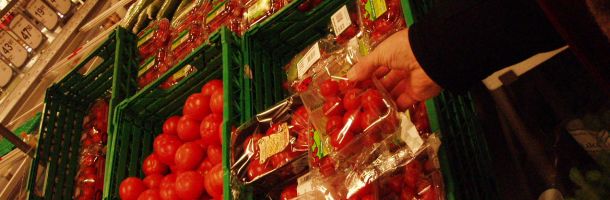
Who benefits from the booming agricultural industry in occupied Western Sahara? Surely not the Saharawis.
22 September 2011, John Clarke of the European Commission's Agricultural Department, stated in a European Parliament hearing that according to the Moroccan authorities the upcoming trade agreement between Morocco and the EU would benefit small scale Moroccan farmers. See video here.
The Commission later also stated that there was practically no agriculture in Western Sahara. The agreement was approved by the Parliament in February 2012.
Well, indeed there is agriculture in Western Sahara, which Morocco partially occupies. And it is surely not controlled by small scale Saharawis. The booming industry is carried out by important Moroccan and French interests. Here they are:
Les Domaines Agricoles
The plantations owned by the Moroccan monarch Mohammed VI in the occupied territory produce both tomatoes and melons under the label ‘Les Domaines’. The farms are property of the production company ‘Les Domaines Agricoles’, born in 1960 as the somewhat lesser anonymous ‘Les Domaines Royaux’ and one of the many subsidiaries of the royal holding company Siger.
Owned by the Moroccan royal family, most information about the company is classified as ‘strictly confidential’ and not part of the public domain, according to a recent book. What is known is that ‘Les Domaines Agricoles’ owns well irrigated agricultural sites throughout Morocco.
And beyond. In fact, the royal company pioneered greenhouse cultivation in Dakhla, Western Sahara in 1989. The first farm on occupied land, Tiniguir, was created at the instruction of the late King Hassan II, in an attempt to break the city’s dependence on the fisheries sector. Nowadays, the king’s property in Dakhla produces mainly tomatoes and melons.
Les Domaines has put in place a separate unit, ‘Groupe d’Exportation des Domaines Agricoles’ (GEDA), responsible for storing, packaging and shipping the royal production around the globe. A main partner of GEDA is the French company Frulexxo, based in Perpignan. From 30 June 2009 to 30 June 2011, Frulexxo's sales turnover grew an astonishing 62.4 percent, from 22.6 million to 36.8 million Euros.
"This is due to the partenariat signed with GEDA (Domaine royaux au Maroc) for importing their production", states the company's financial report of 30 June 2011, dated 12 October 2011. Their accounts show that most of their sales are linked to the GEDA contract. Frulexxo owns a subsidiary called Eurextra that markets the same products in Spain. Frulexxo is controlled by businessmen Marc Granado and Bernard Louchon, both locals from Perpignan.
Azura
The ‘Azura’ brand is the fruit of a business cooperation between French entrepreneur Jean-Marie Le Gall of Groupe SOPROMA and a Moroccan businessman from Casablanca, Mohamed Tazi of Groupe Tazi (photo to the right). The two met in Agadir in the early eighties. Le Gall, whose French-implanted SOPROMA Groupe could only provide the market with tomatoes from January to August, was looking for ways to cover the winter season. Mohamed Tazi and his associate, Algerian-born Pierrick Puech, were looking for better ways to exploit their agricultural activity, primarily focussed on roses and bananas, based in the Souss Massa region.
In May 1988, Tazi and Puech decided to team-up with Le Gall: a company focussing on tomato-production in Agadir, MARAISSA, was born. From the outset, the company was focussed on export: first of all to the French market, and in a second phase to the European market. In 1990, Tazi and Le Gall created a commercial company called DISMA International under French law, in order to better market their products. Just as Frulexxo, the company is based in Perpignan, home to Saint Charles International, considered as the gateway to the rest of Europe for fruits and vegetables. The brand ‘Azura’ was crafted to give MARAISSA’s tomatoes an image, an identity.
Azura’s production in Dakhla commenced in 2006. Tomatoes are the flagship of Azura’s local production. Produce from Dakhla is transported to one of Azura’s four packaging stations in Agadir, 1.200 km up north, before being exported.
Idyl
The Tazi-Puech partnership lies also at the roots of Idyl. The Idyl company was created in 1996, based on the years of experience in fruit and vegetable cultivation built up by Pierrick Puech. Like MARAISSA, Idyl was established first in the Souss Massa region, where nowadays it owns dozens of plantations.
Idyl’s two Dakhla plants were set up around 2006, with the help of local businessman Hassan Derhem. The sites focus on the cultivation of cluster tomatoes, cherry tomatoes, elongated cherry tomatoes and melons. These fruits are mainly marketed under the brand name ‘Etoile du Sud’.
The produce from Dakhla is transported in refrigerated trucks to Souss, at a 20-hour drive from Dakhla. Here, Idyl owns two packaging stations; Soprofel in Biougra and Rosaflor in Khmis Ait Amira. Idyl’s export to Europe is coordinated through their distribution platform located at Châteaurenard, France. Director is Philippe Puech.
To attract staff from Morocco proper, Idyl has built up a village from scratch in Dakhla, which includes a mosque, shops and leisure venues.
Domaines Abbes Kabbage
Domaines Abbes Kabbage (DAK) is one of the subsidiaries of Groupe Kabbage – a genuine conglomerate. DAK’s plantation in Dakhla is currently estimated at 30 hectares.
Groupe Kabbage is headed by the mayor of Agadir, Tariq Kabbage. Together with his brother Chems, Tariq Kabbage leads a conglomerate active in real estate, fisheries and agricultural projects at home and abroad: he has invested in agricultural projects in Brazil, together with his associate Aziz Akhannouch, Morocco’s current Minister for Fisheries and Agriculture.
Groupe Kabbage owns two packaging plants in Morocco proper, Société Kabbage Souss and Sociéte Kabbage Massa, to condition DAK’s fruits and vegetables, before they are transported abroad. The company managing the exports and the commercialisation of Groupe Kabbage’s produce is GPA, whose CEO is Tariq Kabbage.
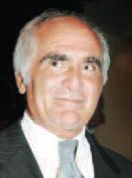
Mohamed Tazi, important Moroccan businessman farming agricultural products for European markett
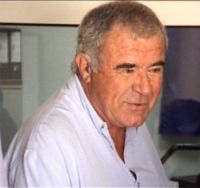
The experience of Pierrick Puech, who was behind Azura, was key also for the Idyl start-up
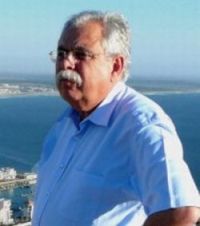
The mayor of Agadir, Morocco, profits from agriculture in the occupied Western Sahara
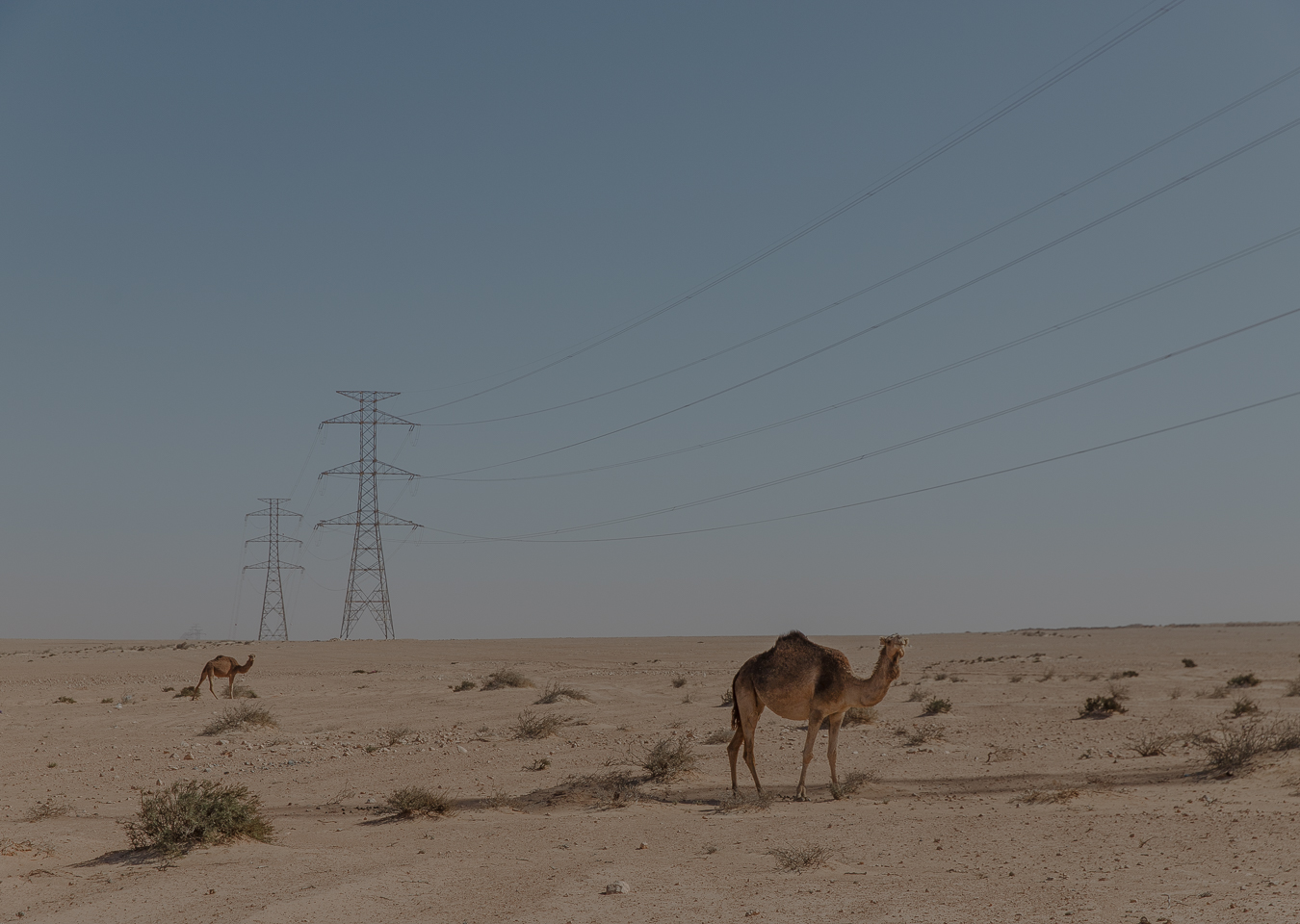
Another company of the Moroccan king involved in occupied Western Sahara
A company closely linked to Morocco’s royal business network has entered a new project in occupied Western Sahara, partnering with a Chinese state-owned electricity giant on high-voltage infrastructure in Boujdour.
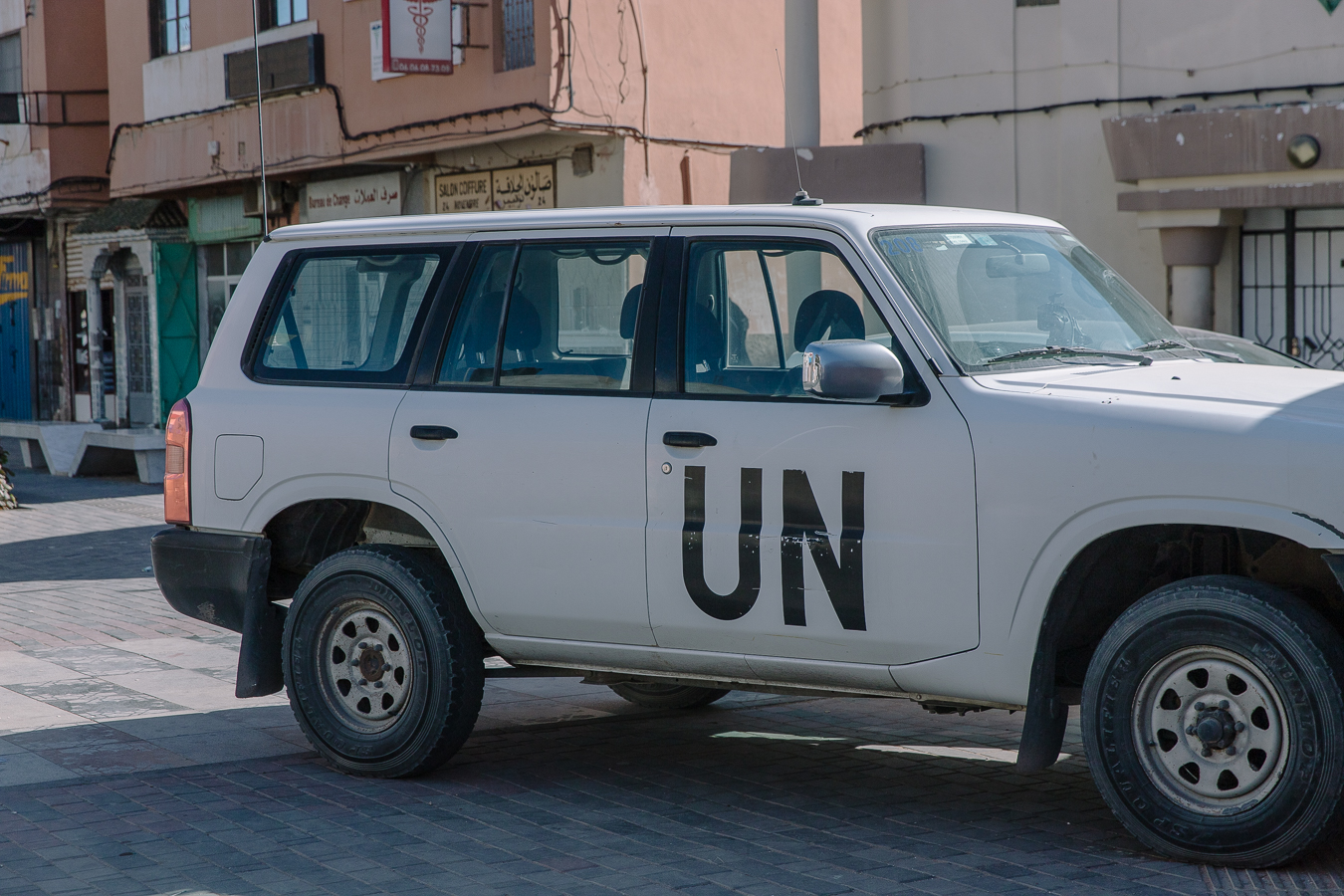
Don't let resource exploitation decide Western Sahara's future
Western Sahara Resource Watch calls on the UN to address the accelerating exploitation of the territory’s natural resources - and prevent it from becoming an even greater obstacle to self-determination.
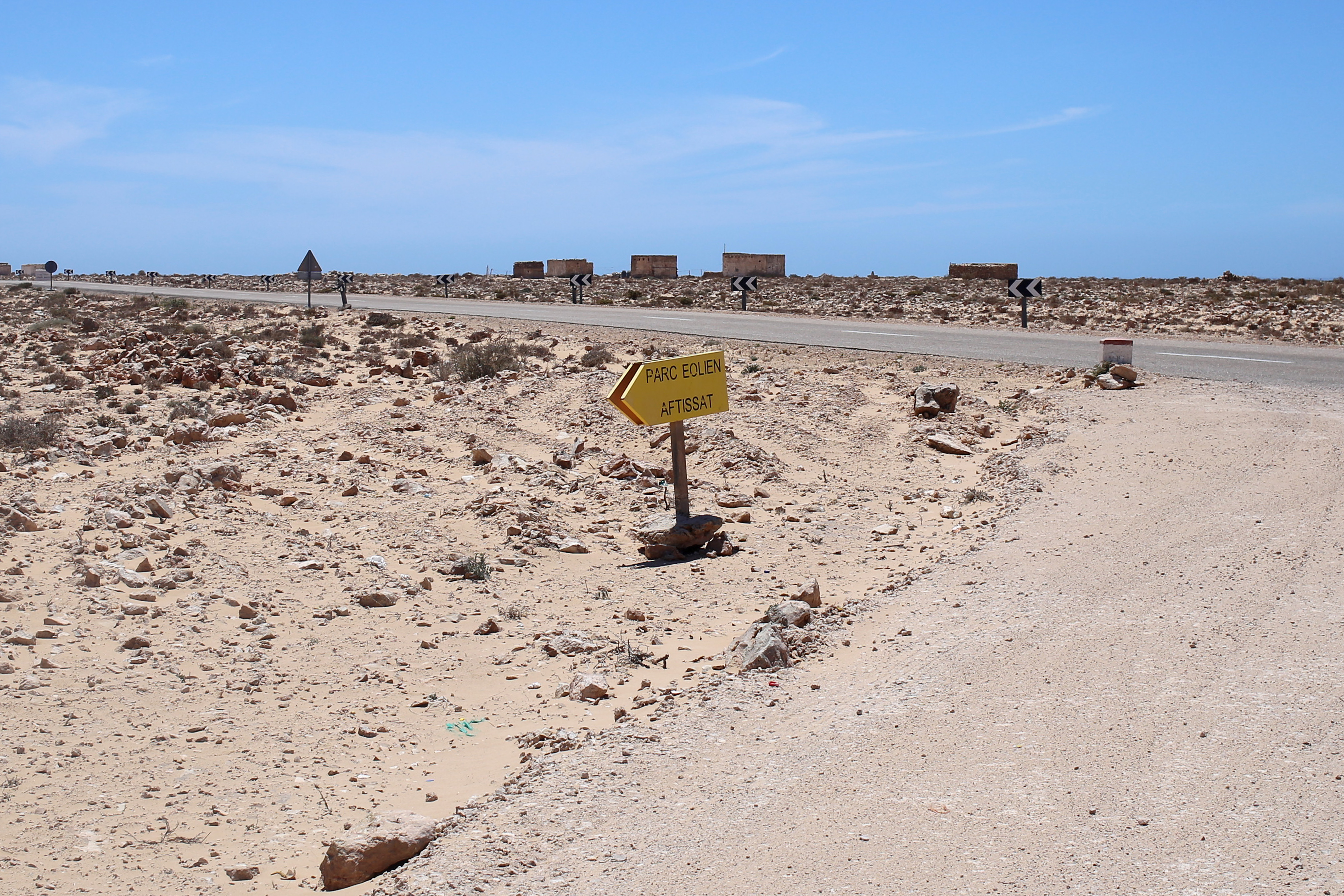
Occupied Western Sahara wind complex expands into Africa's top three
The Moroccan king’s energy company appears to have completed two new phases of the Aftissat wind power complex in occupied Western Sahara.

Dirty green energy on occupied land
How can it be wrong to develop renewable energy, in a world that is in desperate need for a green transition? In Western Sahara, the problems are numerous.