Fugro stopped Western Sahara work for lack of consultation
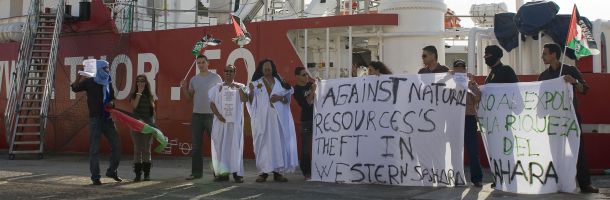
The CEO of the Dutch seismic company that used to work in occupied Western Sahara has now explained their 2009 pullout.
Published 19 June 2012
"The company is often involved in oil and gas exploitation in areas where the local population has not been consulted. For that reason, the company has for instance stopped its involvement in Western Sahara”, stated Fugro's CEO Arnold Steenbakker at the shareholders' meeting last month.
Steenbakker referred to Western Sahara, following questions by the Dutch Organisation of Investors for Sustainable Development (VBDO) regarding Fugro’s commitment to its own partner-code. Fugro’s partner-code does not allow any human rights violations, but the company has been criticised for their involvement in projects that did not allow the local population to have a say in the explorations taking place in their immediate surroundings.
Fugro's CEO did admit that the company did not undertake any systematic human rights risk-analysis and resorted to ad hoc evaluations. Steenbakker added that he would order an investigation into the compliance-checks linked to the partner-code.
Different Fugro subsidiaries have been involved in occupied Western Sahara for a decade. In January 2009, Fugro’s Norwegian subsidiary, Fugro-Geoteam AS was engaged in seismic surveys off Western Sahara on an assignment for the American company Kosmos Energy.
Following international protests, the Dutch parent company announced in May 2010 that it would terminate its involvement in Western Sahara. The decision was nevertheless tardy, as it was taken upon completion of the assignment; Fugro had already collected and presented the data to Kosmos Energy. The damage that the company has enflicted on the Saharawi people is grave: The latter still maintains its contract for offshore oil exploration in violation of the UN opinion from 2002, based on the data that Fugro produced.
Photo: Demonstration the Canary Islands against Fugro's repeated involvement in the occupied waters of Western Sahara.
News
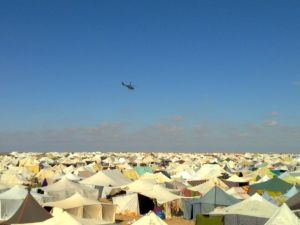
Gdeim Izik prisoners resume hunger strike
Saharawi political prisoners have resumed a hunger strike in Moroccan prisons, demanding their release, improved detention conditions and the implementation of UN decisions.
06 October 2026
SRI update
The following overview enlists stock-exchange registered companies with current or recent operations in occupied Western Sahara. Updated 28 September 2026.
28 September 2026
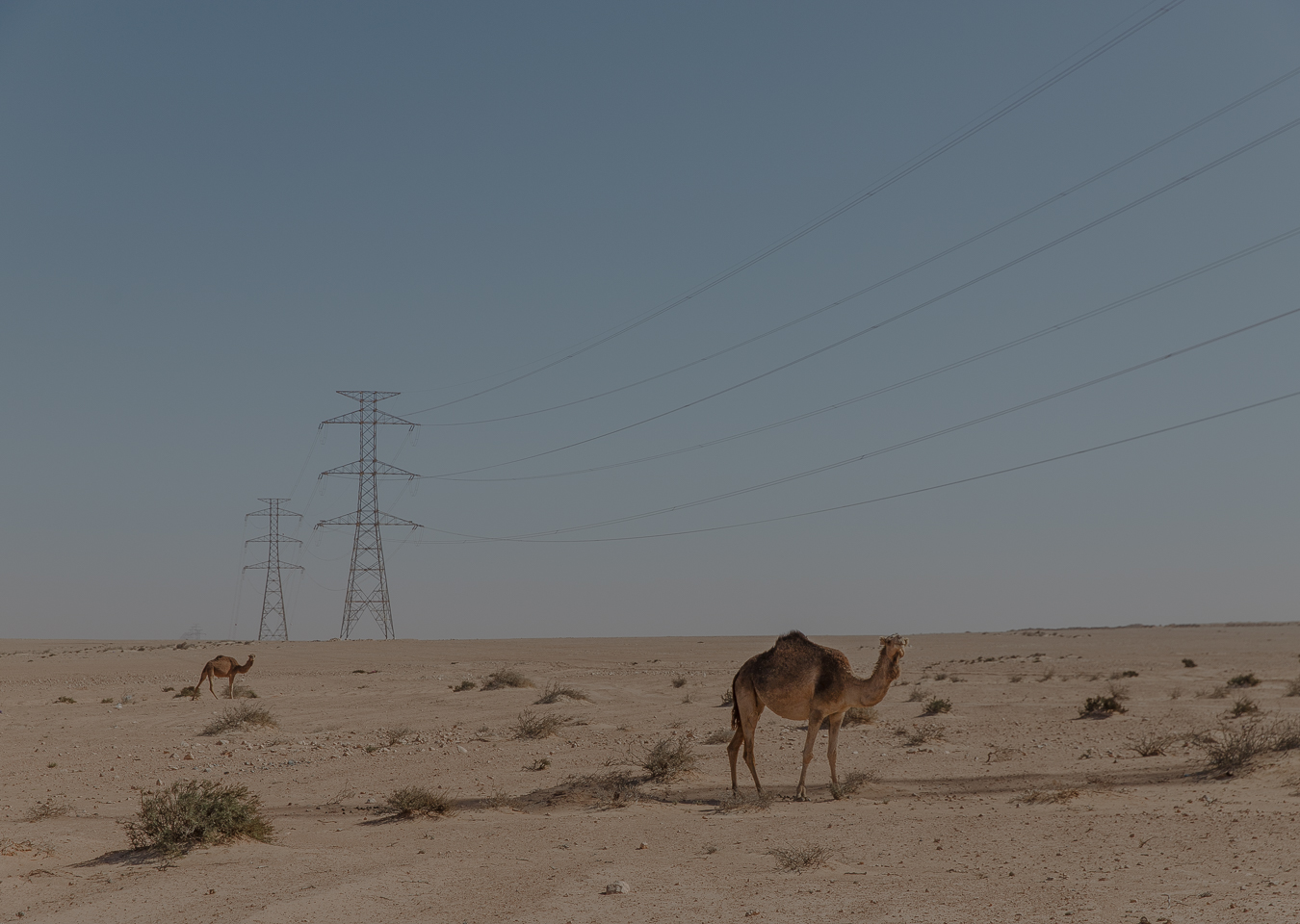
Another company of the Moroccan king involved in occupied Western Sahara
A company closely linked to Morocco’s royal business network has entered a new project in occupied Western Sahara, partnering with a Chinese state-owned electricity giant on high-voltage infrastructure in Boujdour.
10 September 2026
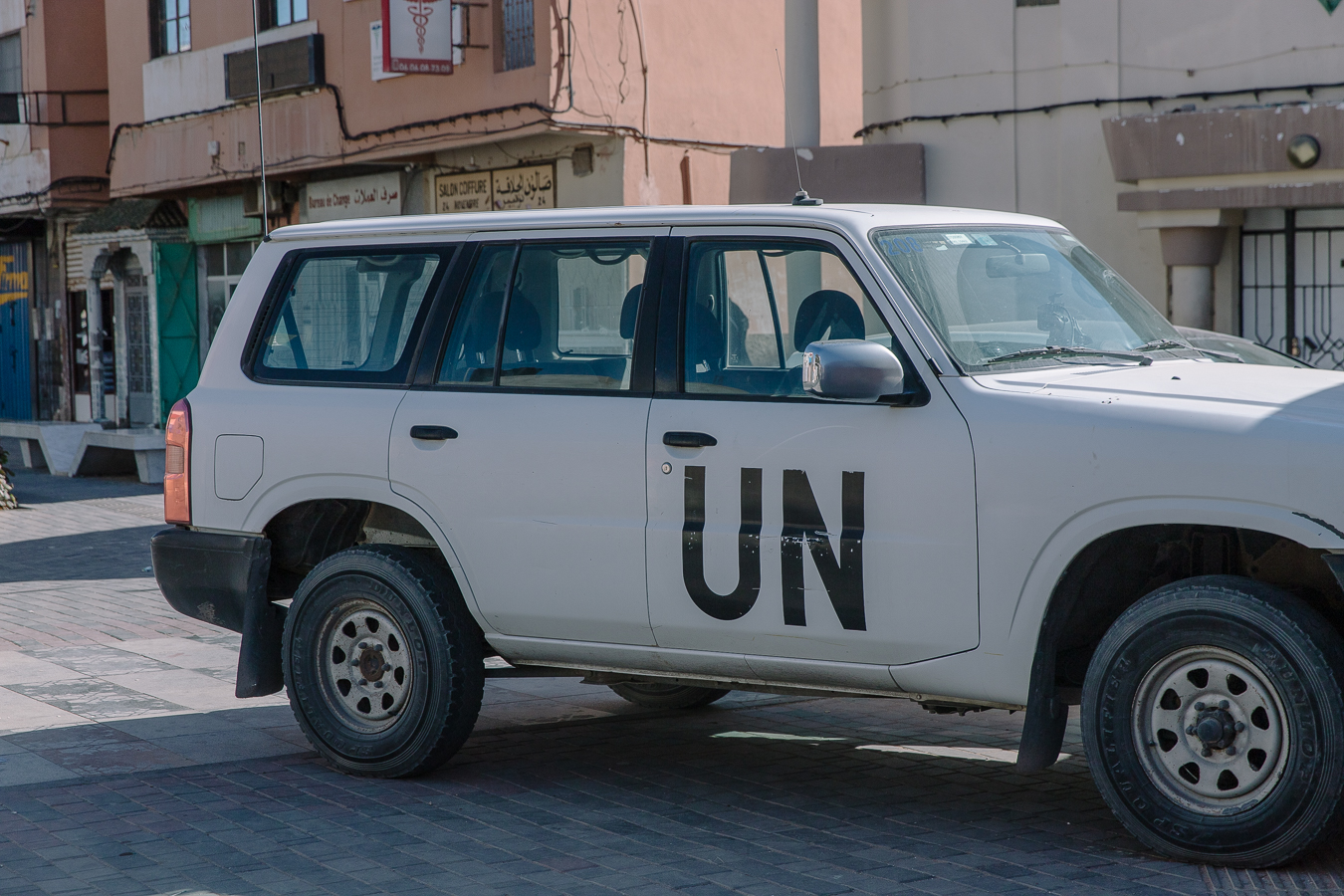
Don't let resource exploitation decide Western Sahara's future
Western Sahara Resource Watch calls on the UN to address the accelerating exploitation of the territory’s natural resources - and prevent it from becoming an even greater obstacle to self-determination.
08 September 2026