The UN’s Clean Development Mechanism has been considering supporting the work of the Moroccan King in occupied Western Sahara, in partnership with German company Siemens. WSRW asks the UN to reconsider.
At the same time that the UN is working hard to create trust between the parties to negotiate a solution to the conflict, the same UN is now considering to finance the King of Morocco’s personal companies doing business in the occupied territory.
The Clean Development Mechanism (CDM) was established under the Kyoto protocol to promote clean development in developing countries.
The mechanism is now considering an application to finance the construction of the Foum El Oued Wind Farm Project. A Project Design Document details the proposed construction and operation of forty-four 2.3 megawatt turbines in “a 100 megawatt (MW) grid-connected wind farm in the municipality of Laayoune, 9 km east of the wharf in the south of Morocco [sic]”.
However, the mentioned municipality is not in Morocco, but in the territory that Morocco illegally occupies in Western Sahara, under UN condemnation.
NAREVA Holding, a Moroccan industrial and financial group is to own and operate the wind farm. According to a recent book regarding the Moroccan king’s personal wealth, Nareva is controlled by the royal family.
The project currently remains at the validation stage and so at the present time has not yet been granted final approval. CDM financing is said to be required to ensure that the project is attractive to NAREVA Holding by revenues through the sale of Certified Emissions Reductions (CERs).
The highly questionable project has been questioned by many - including by Polisario, Western Sahara's liberation movement. Polisario is currently in peace talks with Morocco, exactly on the issue of natural resources management.
Western Sahara Resource Watch believes that CDM now risks to directly undermine the very same peace talks that UN is facilitating.
“The project would be done in a territory illegally occupied by Morocco and held by armed force”, stated a letter from WSRW to the UNFCCC secretariat 14 May 2012.
“We respectfully request that validation of the Foum el Oued wind park project be withheld”, the letter stated.
WSRW’s complete request to have CDM reconsider the involvement in Western Sahara is available via the webpages of the UNFCCC.
SRI update
The following overview enlists stock-exchange registered companies with current or recent operations in occupied Western Sahara. Updated 28 September 2026.
Another company of the Moroccan king involved in occupied Western Sahara
A company closely linked to Morocco’s royal business network has entered a new project in occupied Western Sahara, partnering with a Chinese state-owned electricity giant on high-voltage infrastructure in Boujdour.
Don't let resource exploitation decide Western Sahara's future
Western Sahara Resource Watch calls on the UN to address the accelerating exploitation of the territory’s natural resources - and prevent it from becoming an even greater obstacle to self-determination.
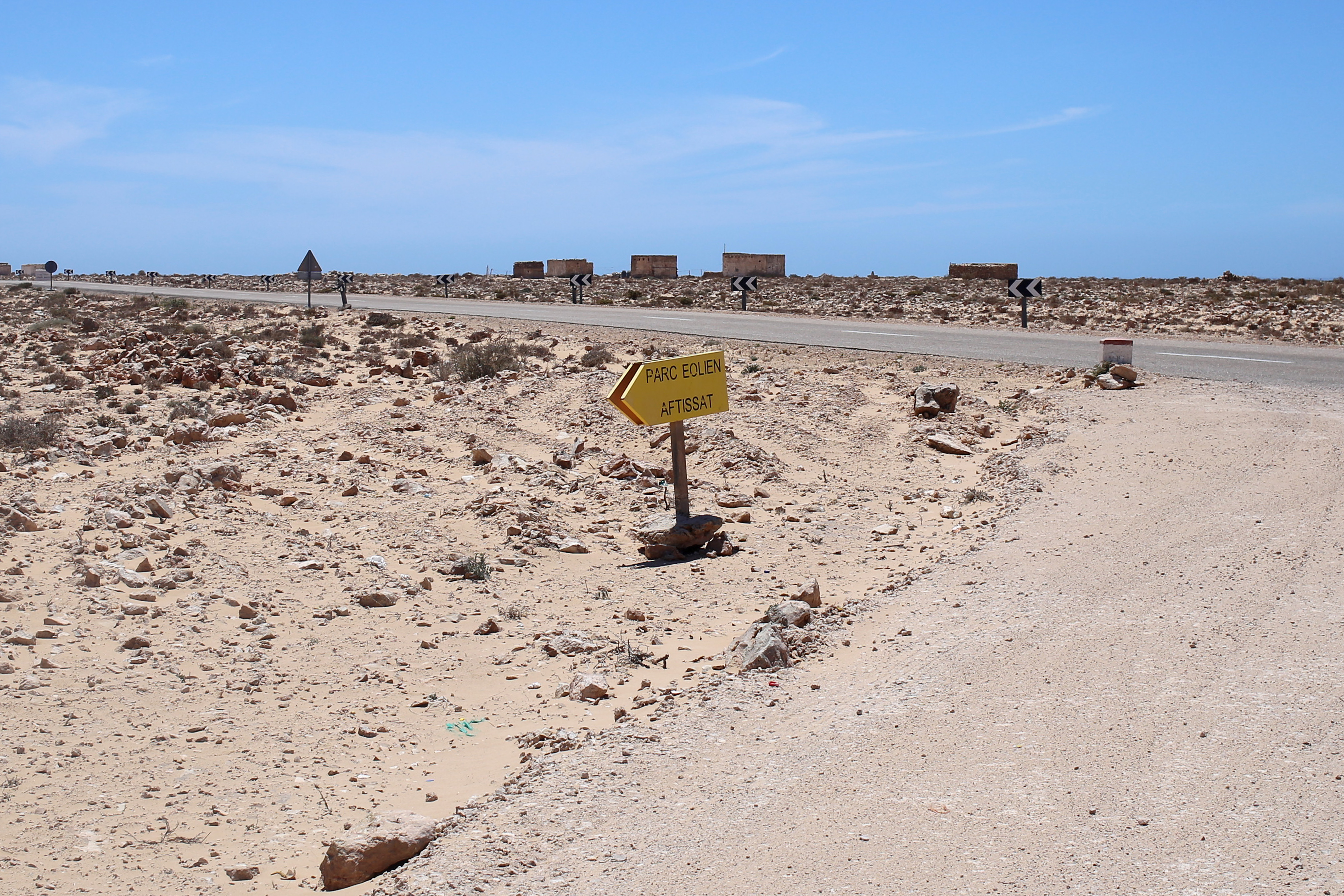
Occupied Western Sahara wind complex expands into Africa's top three
The Moroccan king’s energy company appears to have completed two new phases of the Aftissat wind power complex in occupied Western Sahara.