Without first having obtained consent from the Saharawi people in Western Sahara, the EU will next week try to conclude the talks on EU-Morocco fish deal offshore the occupied territory, under same terms as the one that was rejected by the European Parliament in 2011.
"Clearly in violation of international law", stated Kofi Annan's former legal chief about the 2006-2010 EU-Morocco fish deal in Western Sahara.
Now a similar agreement is in the pipeline. No effort has been made by the European Union to consult with the Saharawi people, thus making the agreement already in violation of international law.
The Spanish government is pushing hard to force through the deal during the 8th and 9th of November, as the EU will meet with Moroccan officials in Rabat. Spain is reportedly seeking the same terms – fisheries access and payments – in the previous Protocol to the EU’s Fisheries Partnership Agreement with Morocco, according to an interview in TVE.
WSRW wrote last week that the talks would take place 3 November. The date is now slightly changed.
"Western Sahara Resource Watch calls on the EU to support the efforts of the UN to solve the conflict of Western Sahara, by refraining from entering into illegal deals with the occupying power covering the disputed territory. The timing of EU's new negotiations could not be worse, as the Ban Ki-Moon's personal envoy is on a tour in the region to kick-start the peace talks", stated Erik Hagen, chair of Western Sahara Resource Watch.
"If the Saharawis have not expressed their consent, the agreement should specifically exclude the waters of Western Sahara, as other international trade agreements with Morocco do", Hagen stated.
"Any EU-Morocco deal that includes Western Sahara would be in flagrant violation of internatinoal law", stated the President of the Western Sahara republic in a meeting with the Irish minister of fisheries last week.
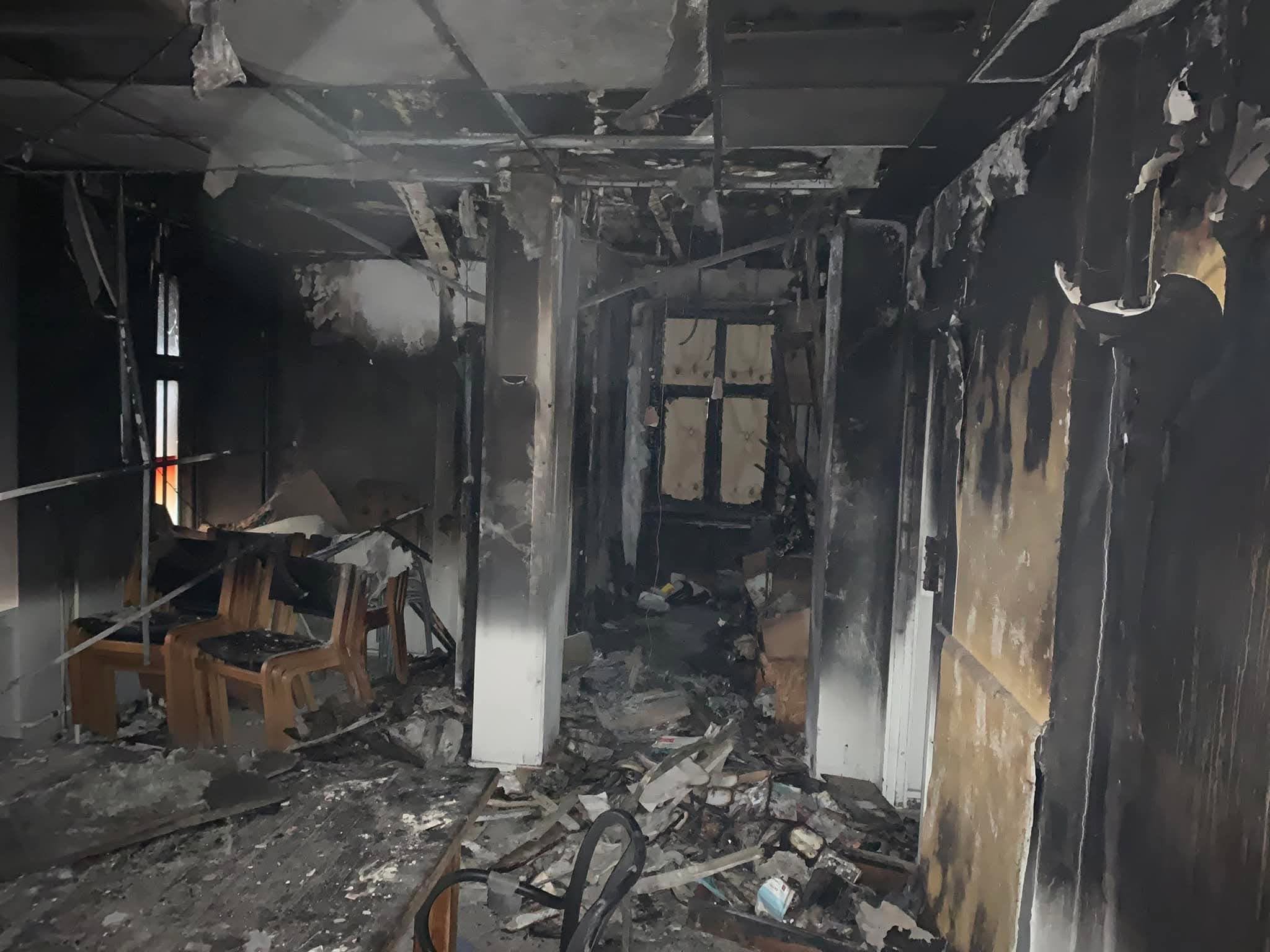
Trial underway over firebombing of WSRW partner in Denmark
A trial has begun in Copenhagen against four men accused of carrying out the January 2025 arson attack on the offices of WSRW partner Global Aktion.
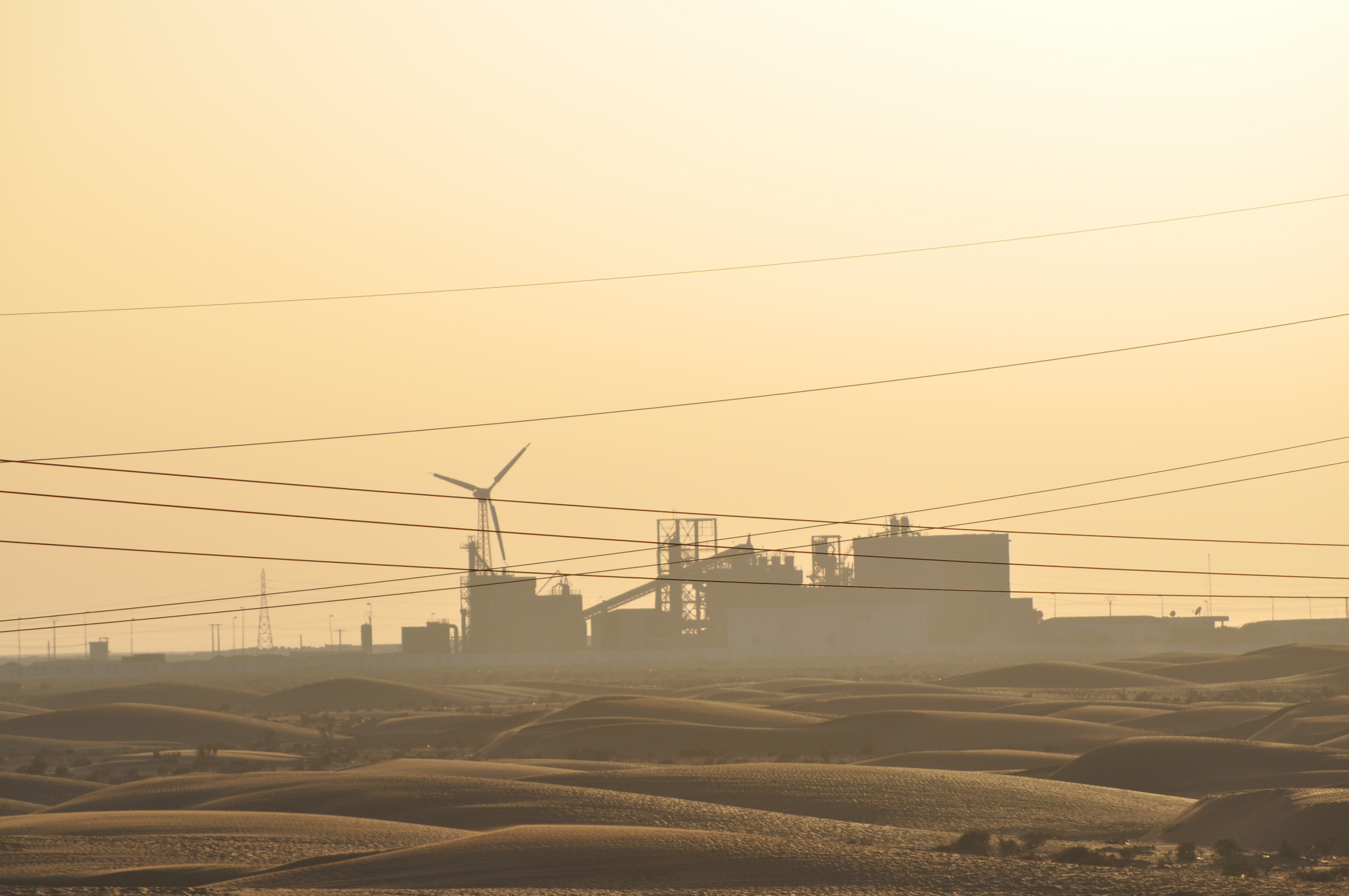
Heidelberg Materials deepens its role in Morocco’s occupation of Western Sahara
The German company confirms once again that its operations in occupied Western Sahara are closely tied to Morocco’s infrastructure expansion in the territory - while continuing to dismiss the Saharawi people’s right to consent.

The conflict phosphates - four decades of plunder
For over 40 years, a Moroccan state-owned company has exported phosphate rock from occupied Western Sahara.
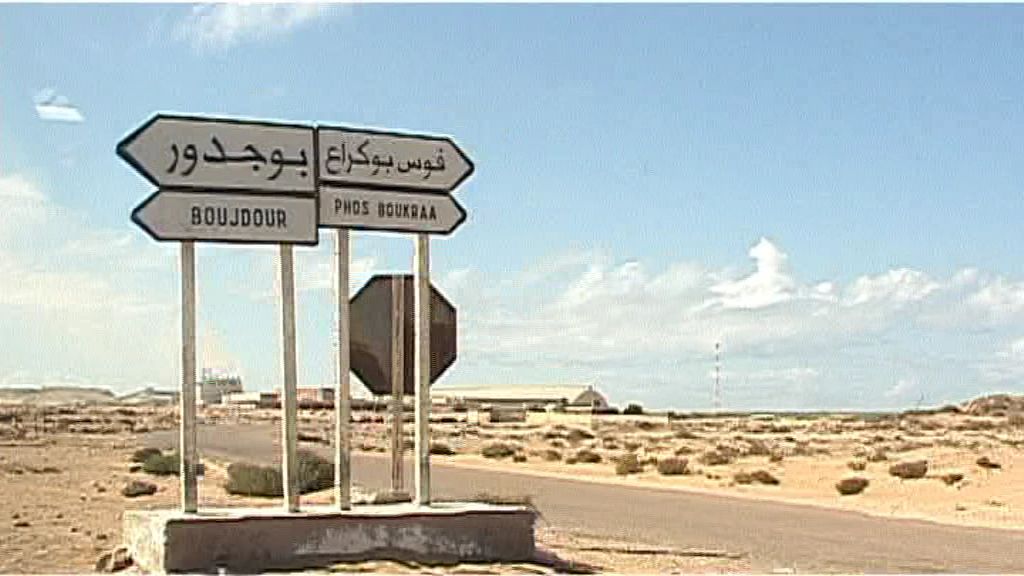
Record low number of importers of Western Sahara phosphates
Only three companies imported phosphate rock from occupied Western Sahara in 2025 - the lowest number ever recorded. The findings appear in our annual P for Plunder report, released today.