Military trial for Saharawi advocating social and economic rights
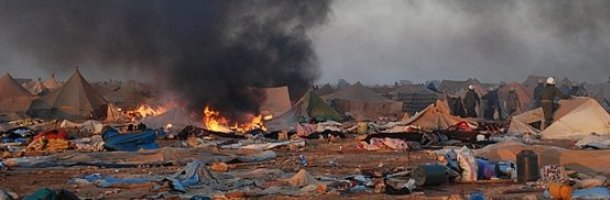
Today, 24 Saharawi activists are expected to appear before a military tribunal in Morocco. All of them were arrested in the aftermath of the Gdeim Izik protest camp - an immense gathering of Saharawi civilians in the occupied territories, united in their demand to have their social and economic rights respected.
Published 08 February 2013
Having been adjourned three times already, the trial is expected to take off today, though 22 of the defendants have spent nearly two years in pre-trial custody. Moroccan law edicts that a defendant cannot be imprisonned for a period exceeding 12 months without trial.
The charges against the Saharawi detainees include belonging to an armed gang, use of violence against representatives of the public forces exercising their duties, causing death by use of violence to Moroccan agents (applied to 12 of the accused) and desecration of a corpse (2 of the accused). In addition, they are charged with undermining state security - which could lead to life-imprisonment.
But most of the defendants are known for their longstanding human rights activism and their advocacy for an independent Western Sahara. Among those facing the court today is the president of the Saharawi Committee for the Protection of Natural Resources (CSPRON).
Just yesterday, the European Parliament adopted a Resolution calling for the release of all Saharawi political prisoners.
Most of the defendants were arrested on the backdrop of what has come to be known as the Gdeim Izik protest camp. In the autumn of 2010, thousands of Saharawi civilians took part in a spontaneous act of protest against the social and economical discrimination they endure in their occupied land. They pitched their tents a couple of miles outside of El Aaiun, the Western Saharan capital, in a place called Gdeim Izik. After a few weeks, and a continuous influx of more and more protesters, the Moroccan military attacked the camp and burned it to the ground on 8 November 2010. In the days following the violent dismantlement, Morocco did not allow media, foreign observers or even the UN peace force for Western Sahara, MINURSO, to come near the camp site.
As protesters were forced back to El Aaiun, after the destruction of the camp, street riots broke out, against symbols of the Moroccan occupation and the continuous plunder of Western Sahara.
News
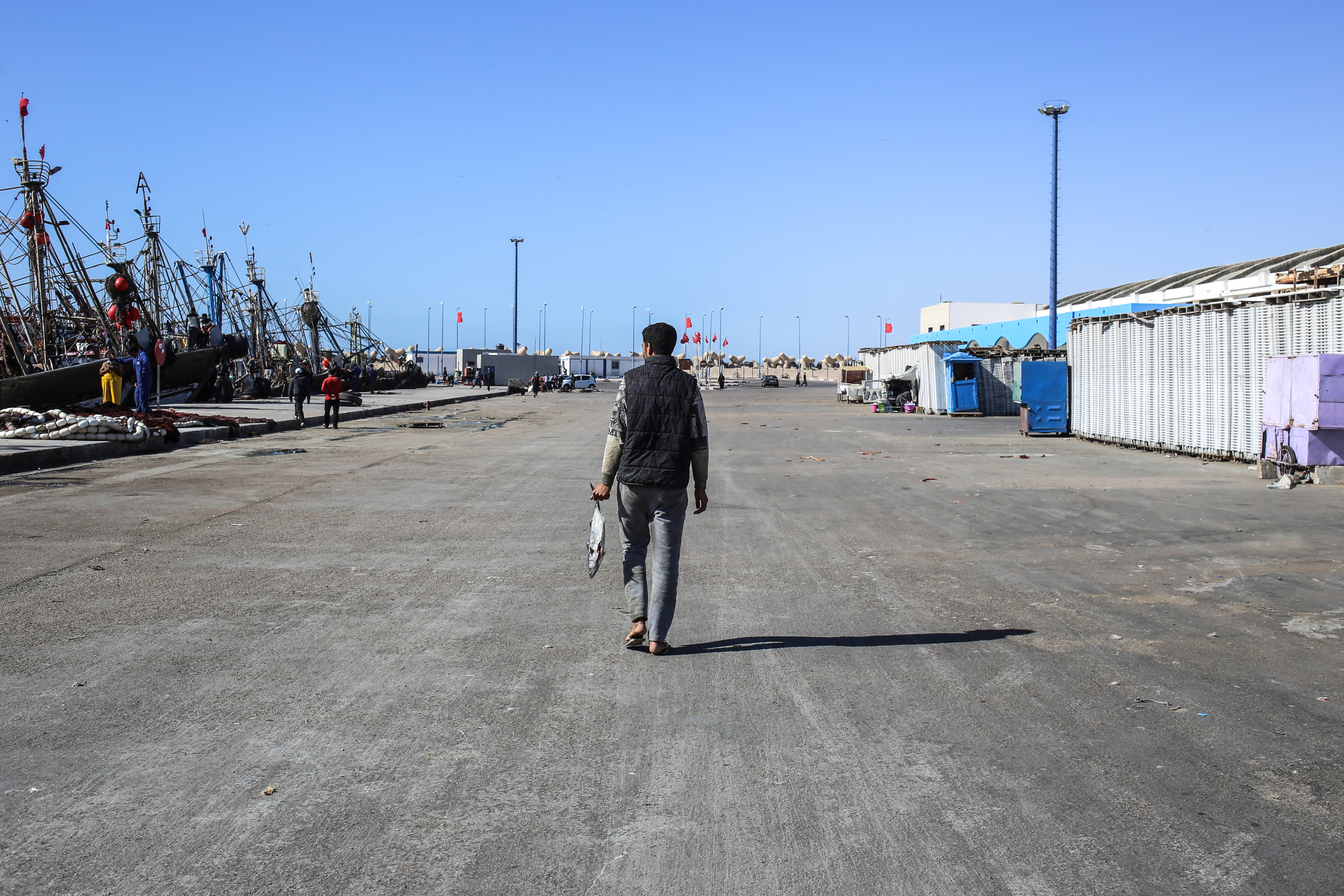
New report: Certified occupation
International certification standards embellish Morocco’s controversial trade with fisheries and agricultural products in occupied Western Sahara, new report documents.
16 December 2025

Certification giant SGS points fingers elsewhere
SGS blames everyone else for mistakes on MarinTrust certificates it had issued to Moroccan companies in occupied Western Sahara.
15 December 2025
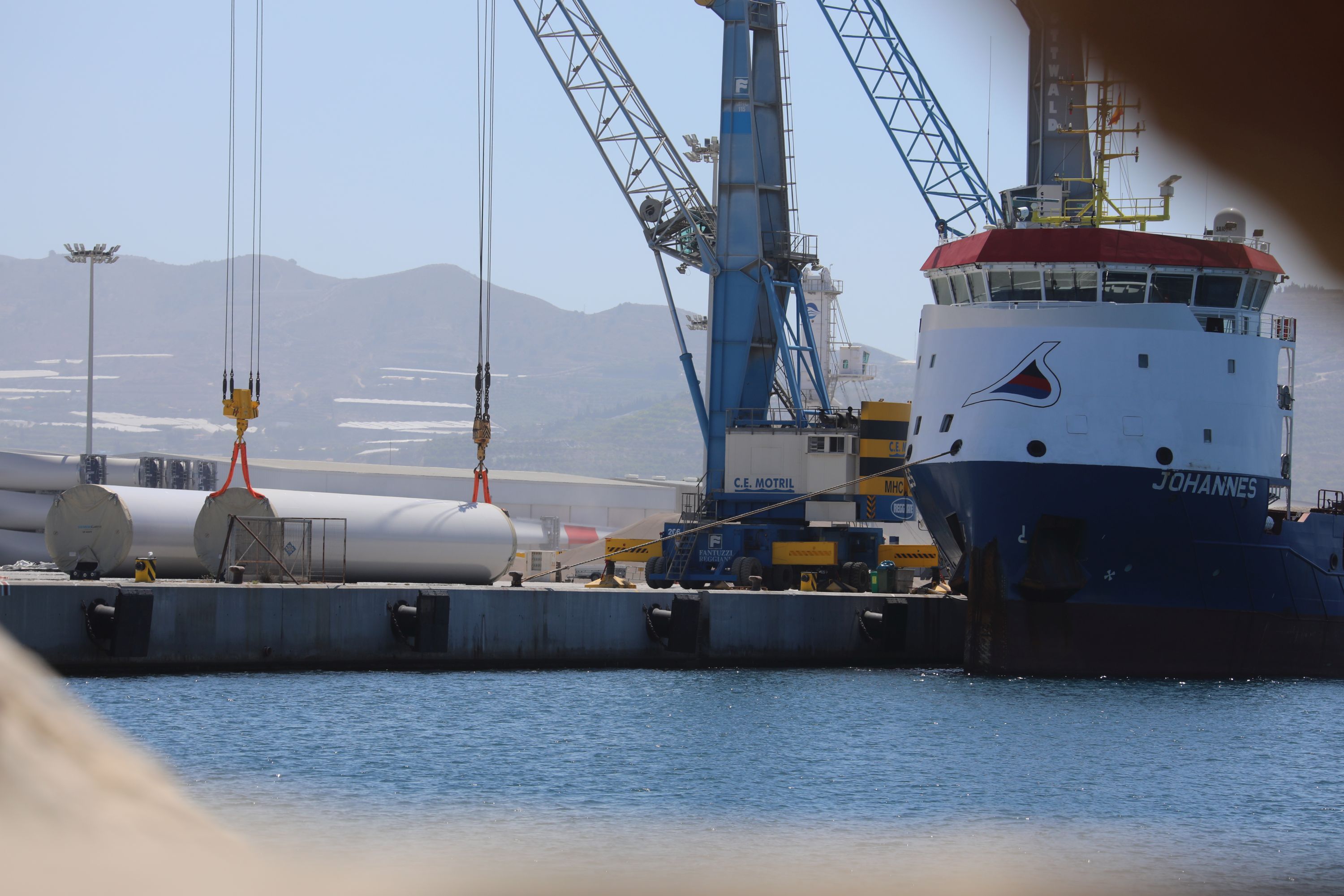
New report: Greenwashing Occupation
Out now: WSRW today publishes a new report outlining the massive - and deeply problematic - renewable energy projects that Morocco is developing in occupied Western Sahara.
11 December 2025
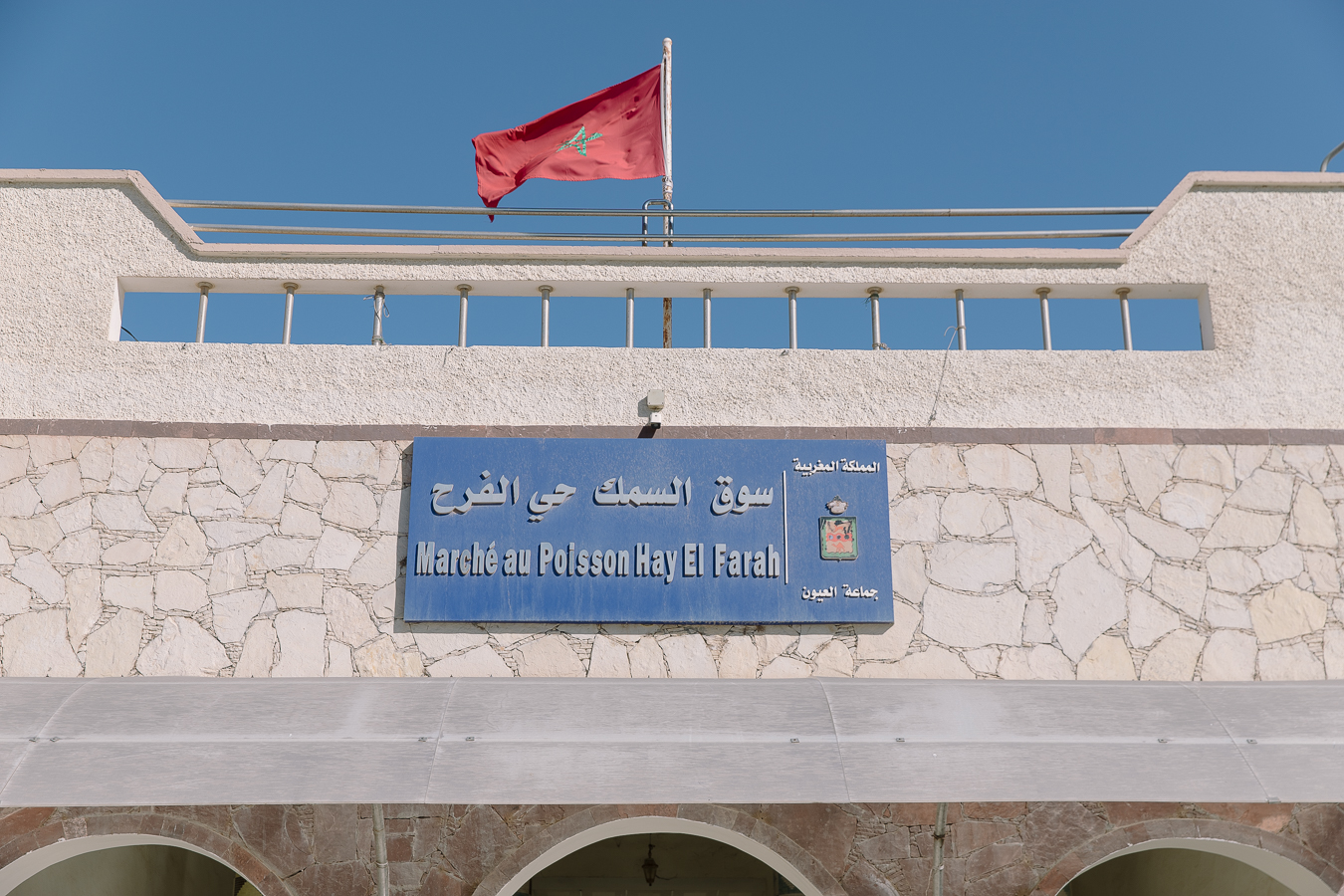
GMP+ does not check if “sustainable” fish is legally caught
The world’s largest certification scheme for “safe and sustainable animal feed” does not check whether its certified fish feed companies source from illegal fisheries in occupied Western Sahara, where catches violate the Saharawi people’s right to self-determination.
05 December 2025