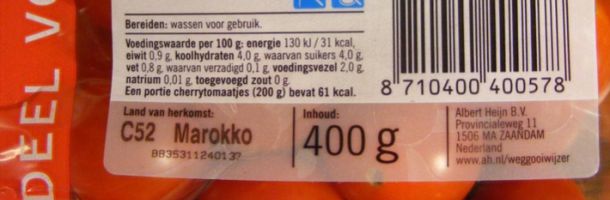
The new Dutch government has reiterated the position of their predecessors: Products from Western Sahara cannot enter the EU market labelled as from Morocco.
Yesterday, in the Dutch Parliament during question time, the Dutch Minister for Foreign Affairs, Frans Timmermans said that “according to European regulations, products from Western Sahara cannot enter the European markets as if they were from Morocco”. This is in line with the position of the previous Dutch government, which stated in August 2012 that Morocco could not claim tariff preferences for agricultural products coming from Western Sahara on the basis of the upcoming EU-Morocco agricultural agreement.
In reply to a question from socialist parliamentarian Roemer (SP), the Minister added that he would take a more active stance on the matter in the Council of EU Ministers. The Netherlands, is then the second country, as far as Western Sahara Resource Watch knows, to raise the matter in the Council.
Dutch supermarket chain Albert Heijn is known to import cherry tomatoes from Dakhla, located in the south of occupied Western Sahara. The tomatoes are sold under Albert Heijn's store brand 'AH' and labelled as originating from 'Morocco'.
Last month, the Swedish Minister for Trade Ewa Björling stated that they had brought up the same issue in the Council. Sweden had made it clear that they share the Dutch interpretation of the EU’s trade agreement with Morocco. Since no EU Member State recognises Morocco’ sovereignty over Western Sahara, products made in the territory cannot be given trade preference under the EU-Morocco trade agreements, she said.
The EU-Morocco trade agreement, allowing for a significant increase in the EU’s imports of fruit and vegetables from Morocco, entered into force in October 2012. The deal has come under fire for failing to exclude the territory of Western Sahara, thereby condoning produce from the occupied territory to enter the EU stamped as being from "Morocco".
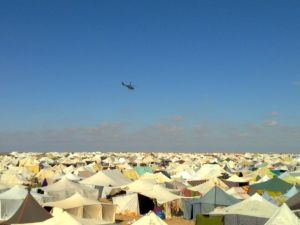
Gdeim Izik prisoners resume hunger strike
Saharawi political prisoners have resumed a hunger strike in Moroccan prisons, demanding their release, improved detention conditions and the implementation of UN decisions.
SRI update
The following overview enlists stock-exchange registered companies with current or recent operations in occupied Western Sahara. Updated 28 September 2026.
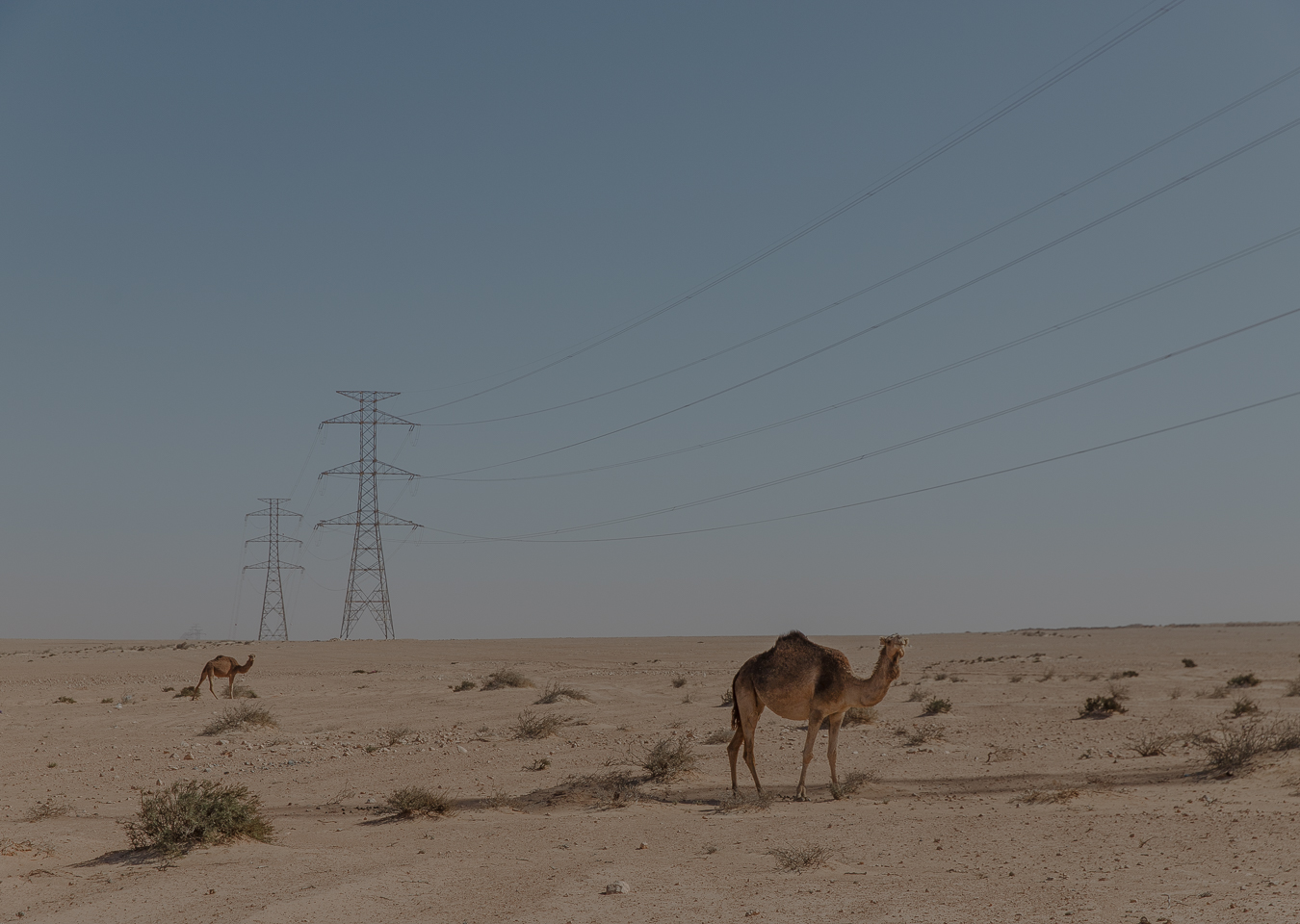
Another company of the Moroccan king involved in occupied Western Sahara
A company closely linked to Morocco’s royal business network has entered a new project in occupied Western Sahara, partnering with a Chinese state-owned electricity giant on high-voltage infrastructure in Boujdour.
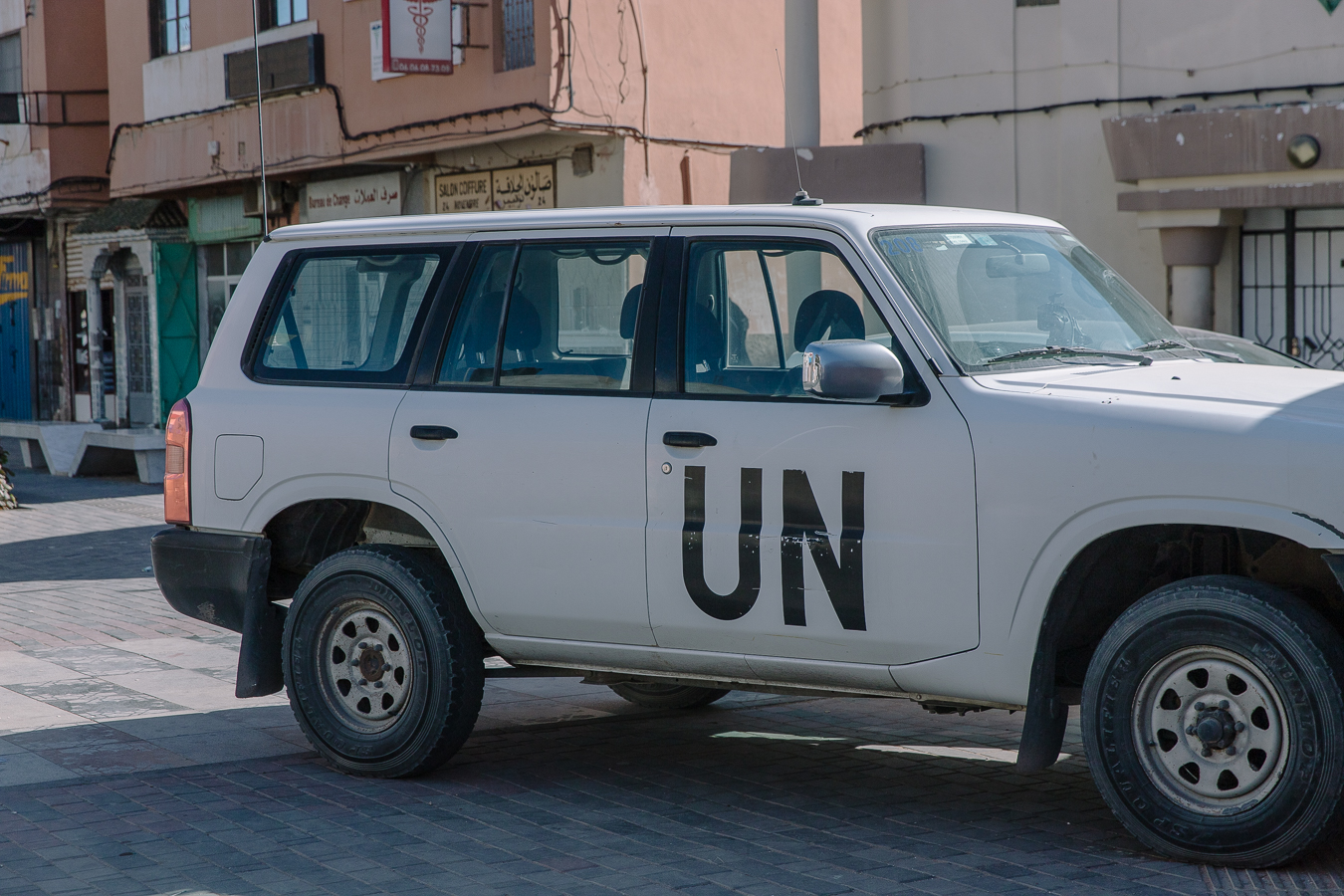
Don't let resource exploitation decide Western Sahara's future
Western Sahara Resource Watch calls on the UN to address the accelerating exploitation of the territory’s natural resources - and prevent it from becoming an even greater obstacle to self-determination.