
The Moroccan government's plans to develop wind farms in occupied Western Sahara have drawn the interest of 16 international companies.
The Moroccan government wants to construct a 300 MegaWatt (MW) wind farm in Tiskrad, near El Aaiun, and plans to erect another 100 MW wind farm in Boujdour, located further down south in the occupied territory. Both farms should be operational by 2020.
In order to market the projects to international energy firms, the two project-sites in Western Sahara have been included in a package-deal together with three other sites in Morocco proper.
A tender inviting energy companies to indicate their interest in building all 5 parks, resulted in quite a number of companies submitting their candidacy. The Moroccan National Office for Electricity and Water (ONEE) has retained 16 of these firms, who are now running either by themselves or in consortiums to win the bid.
Western Sahara Resource Watch has sent letters to all of the firms engaged in the bid, asking them to refrain from building infrastructure on occupied land.
The involved companies are;
- Acciona Wind Power (Spain)/Acciona Energia (Spain)/Al Ajial Funds (Morocco)
- EDF Energies Nouvelles (France)/Mitsui&Co (Japan)/Alstom (France)
- Acwa Power (Saudi Arabia)/Gamesa Eolica (Spain)/Gamesa Energia (Spain)
- General Electric (USA)
- Nareva Holding (Morocco)/Taqa (Abu Dhabi)/Enel Green Power (Italy)/Siemens (Germany)
- International Power (UK - though acquired by French Groupe GDF Suez in 2012) /Vestas (Denmark)
Find copies of the letters sent by WSRW below.
WSRW letter to ACCIONA
WSRW letter to Al Ajial
WSRW letter to EDF Nouvelles Energies
WSRW letter to Mitsui & Co
WSRW letter to Alstom
WSRW letter to ACWA Power
WSRW letter to Gamesa
WSRW letter to General Electric Company
WSRW letter to NAREVA Holding
WSRW letter to TAQA
WSRW letter to Enel Green Power
WSRW letter to Siemens
WSRW letter to International Power Ltd - GDF Suez
WSRW letter to Vestas
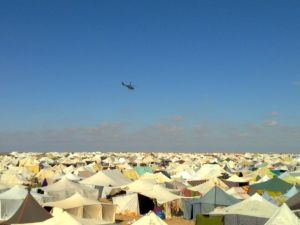
Gdeim Izik prisoners resume hunger strike
Saharawi political prisoners have resumed a hunger strike in Moroccan prisons, demanding their release, improved detention conditions and the implementation of UN decisions.
SRI update
The following overview enlists stock-exchange registered companies with current or recent operations in occupied Western Sahara. Updated 28 September 2026.
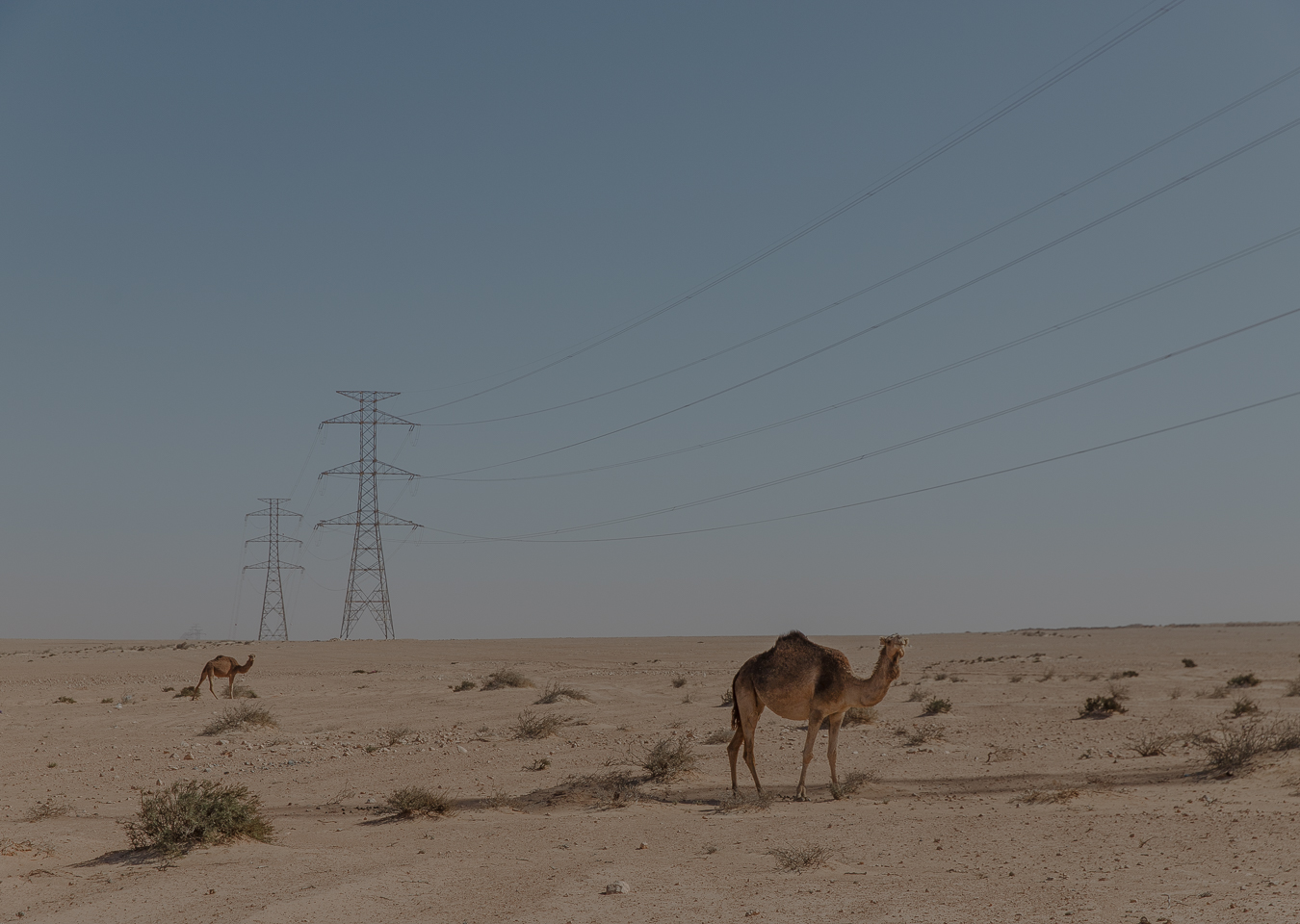
Another company of the Moroccan king involved in occupied Western Sahara
A company closely linked to Morocco’s royal business network has entered a new project in occupied Western Sahara, partnering with a Chinese state-owned electricity giant on high-voltage infrastructure in Boujdour.
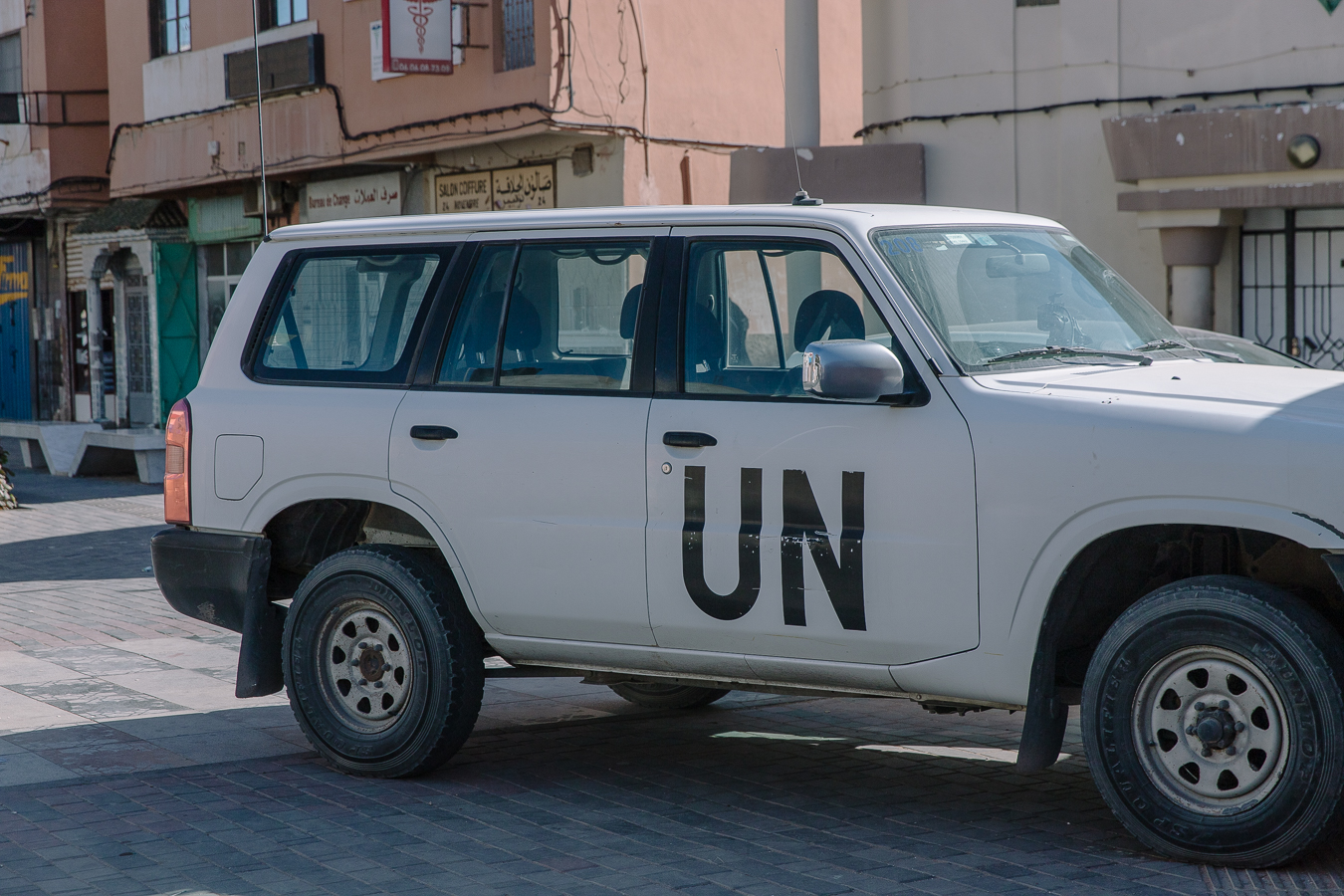
Don't let resource exploitation decide Western Sahara's future
Western Sahara Resource Watch calls on the UN to address the accelerating exploitation of the territory’s natural resources - and prevent it from becoming an even greater obstacle to self-determination.