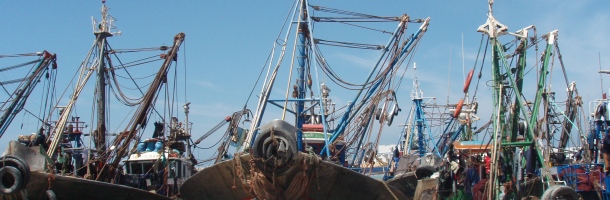
The EU Member States did not come to a decision on the proposed EU-Morocco Fisheries Protocol today. The vote will be postponed a few days.
Due to procedural reasons, the vote will be pushed back until the next COREPER meeting, early next week.
While there was no discussion on the content of the suggested protocol, the Member States do not appear unanimous in their judgement of the text before them. Sweden and Denmark have clearly stated their opposition, while a group led by the protocol's main beneficiary, Spain, ostensibly favour the deal. A handful of countries is said to be wavering.
The much criticised protocol offers the EU four years of access to the waters Morocco considers to be under its sovereignty. Conflicting with the views of the rest of the world, Morocco's own interpretation of its sovereignty includes Western Sahara - an extensive stretch of land that it has largely occupied since 1975. The Saharawi people, the territory's original inhabitants, have not been heard by either the EU or Morocco, in spite of their continuous protests against EU fishing in their occupied waters.
A UN Legal Opinion of 2002 labels such activities illegal if failing to respect the wishes and the interests of the Saharawi people.
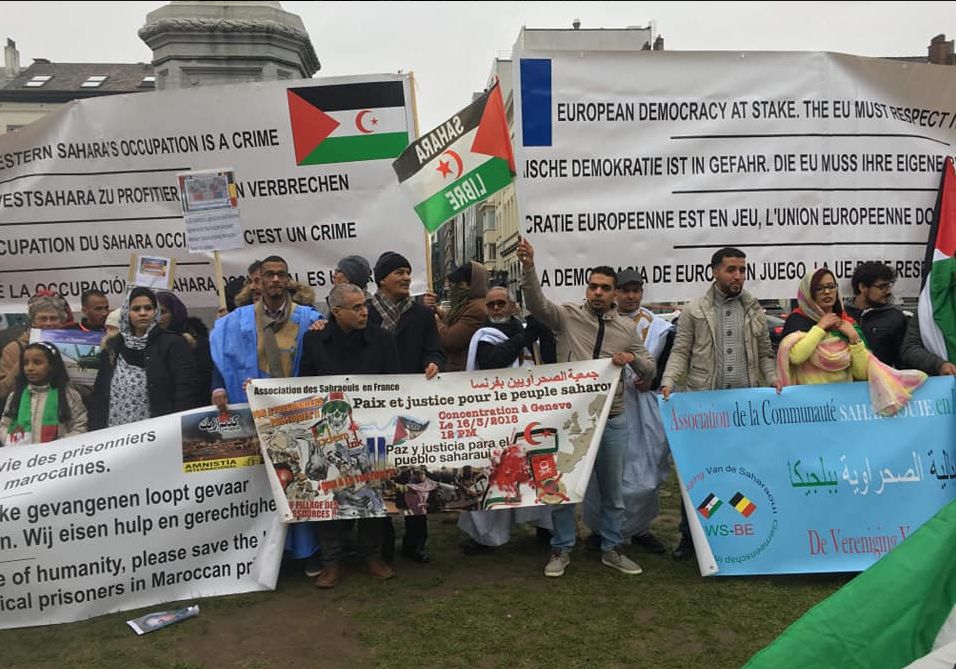
Greenland Yes, Western Sahara No? The EU’s self-determination test
As the European Union rightly rallies behind Greenlanders’ right to decide their own future in the face of external pressure, a test of the EU’s real commitment to self-determination is quietly unfolding in Brussels.
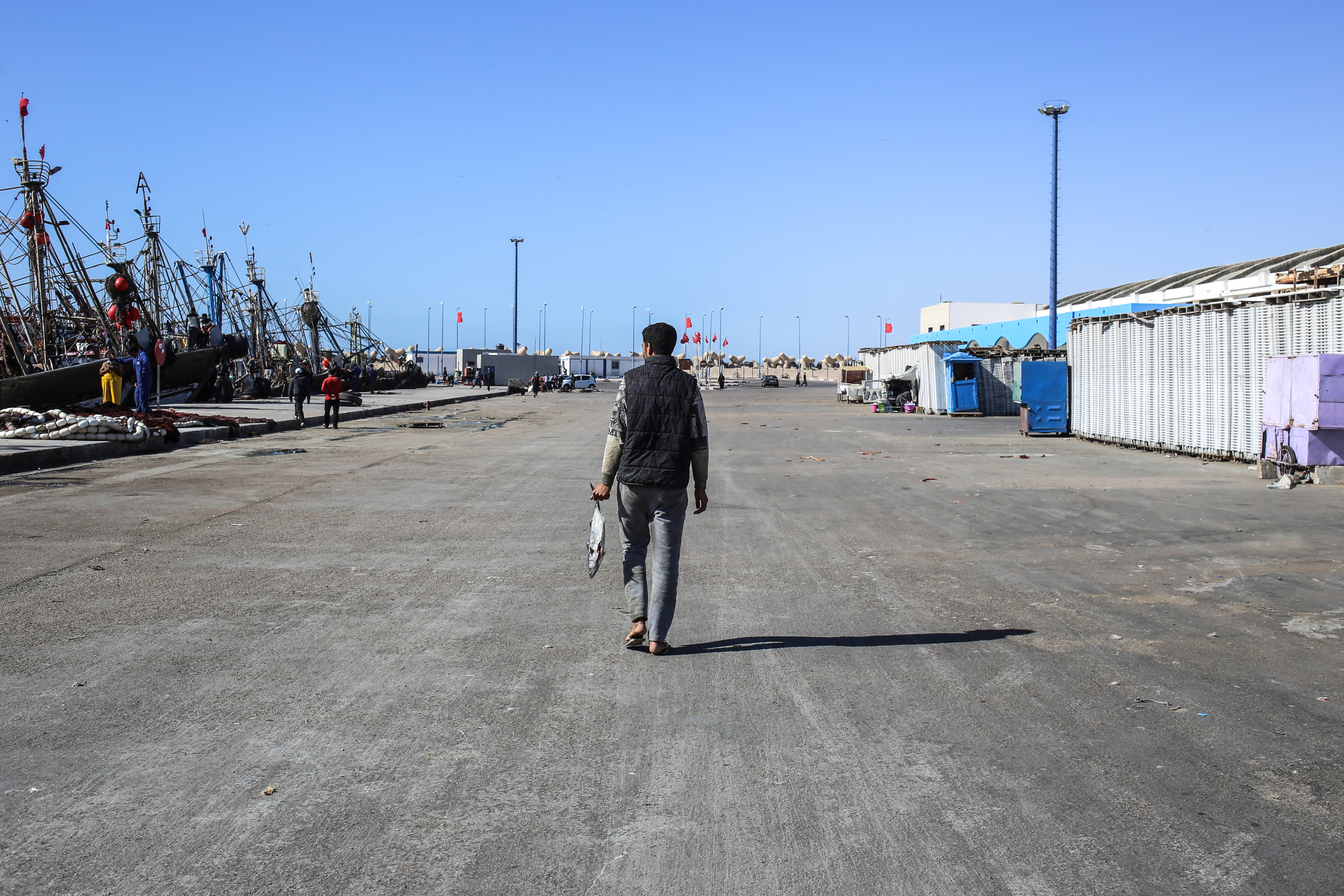
New report: Certified occupation
International certification standards embellish Morocco’s controversial trade with fisheries and agricultural products in occupied Western Sahara, new report documents.

Certification giant SGS points fingers elsewhere
SGS blames everyone else for mistakes on MarinTrust certificates it had issued to Moroccan companies in occupied Western Sahara.
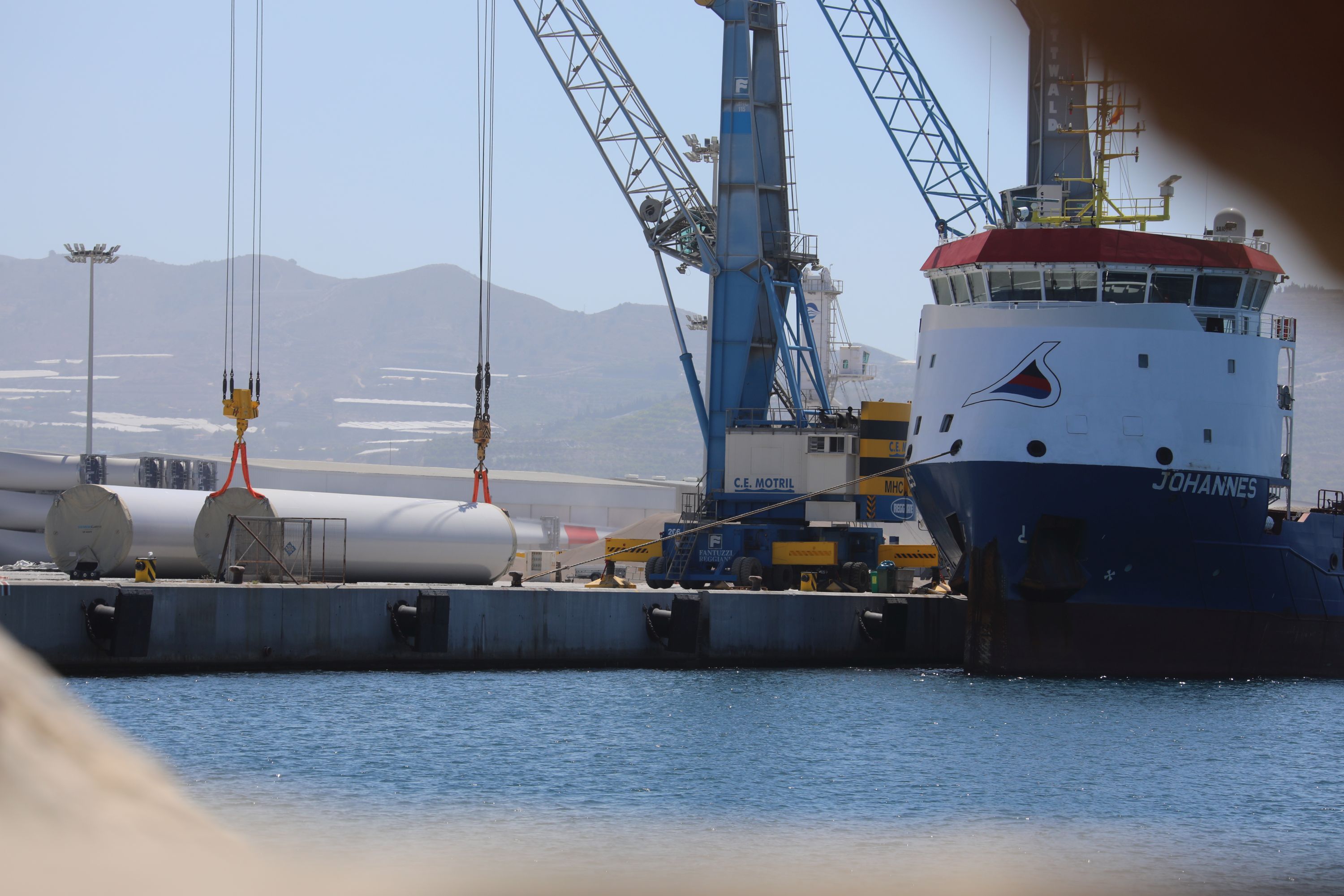
New report: Greenwashing Occupation
Out now: WSRW today publishes a new report outlining the massive - and deeply problematic - renewable energy projects that Morocco is developing in occupied Western Sahara.