A document leaked by the Moroccan whistle-blower twitter account demonstrates how Morocco uses the Western Saharan natural resources to embroil other countries into its own illegal occupation of Western Sahara. The case at hand: Russia.
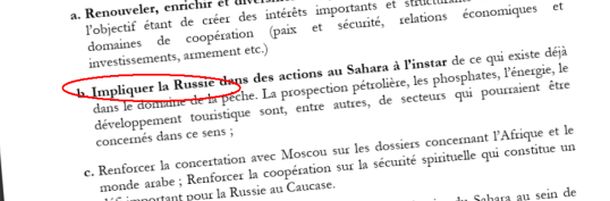
On 21 November, the @chris_coleman24 twitter account, which has been leaking official Moroccan documents for some time now, published a document called "La Fédération de Russie at la question du Sahara Marocain" ("The Russian Federation and the question of the Moroccan Sahara") - a 6-page document devoted entirely to Morocco's geopolitical aim to convince Russia to side with Morocco when it comes to Western Sahara.
Under the header "how to optimise Russia's position", the strategy is outlined. It reads as follows (translation from French to English by WSRW):
"39. To reach this objective, Morocco has to:
a. renew, enrich and diversify its strategic partnership with Russia, the goal being to create significant and structural interests in all areas of cooperation (peace and security, economic relations and investment, weapons, etc)
b. Implicate Russia in activities in the Sahara, as is already the case in the field of fisheries. Oil exploration, phosphates, energy and touristic development are, among others, the sectors that could be involved in this respect
c. Reinforce the dialogue with Moscow on issues concerning Africa and the Arab world; strengthen cooperation regarding spiritual security which is an important challenge for Russia in the Caucasus.
40. In return, Russia could guarantee a freeze on the Sahara file within the UN, the time for the Kingdom to take strong action with irreversible facts with regard to the marocanité of the Sahara."
The document has not been dated, but appears to be quite recent as it includes references to events and other documents of 2013. It reveals what has been clear to observers all along; that Morocco not merely uses Western Sahara's natural resources for financial gain, but to forge political alliances that could help impose Morocco's untenable and unlawful claim over its neighbouring country: Western Sahara.
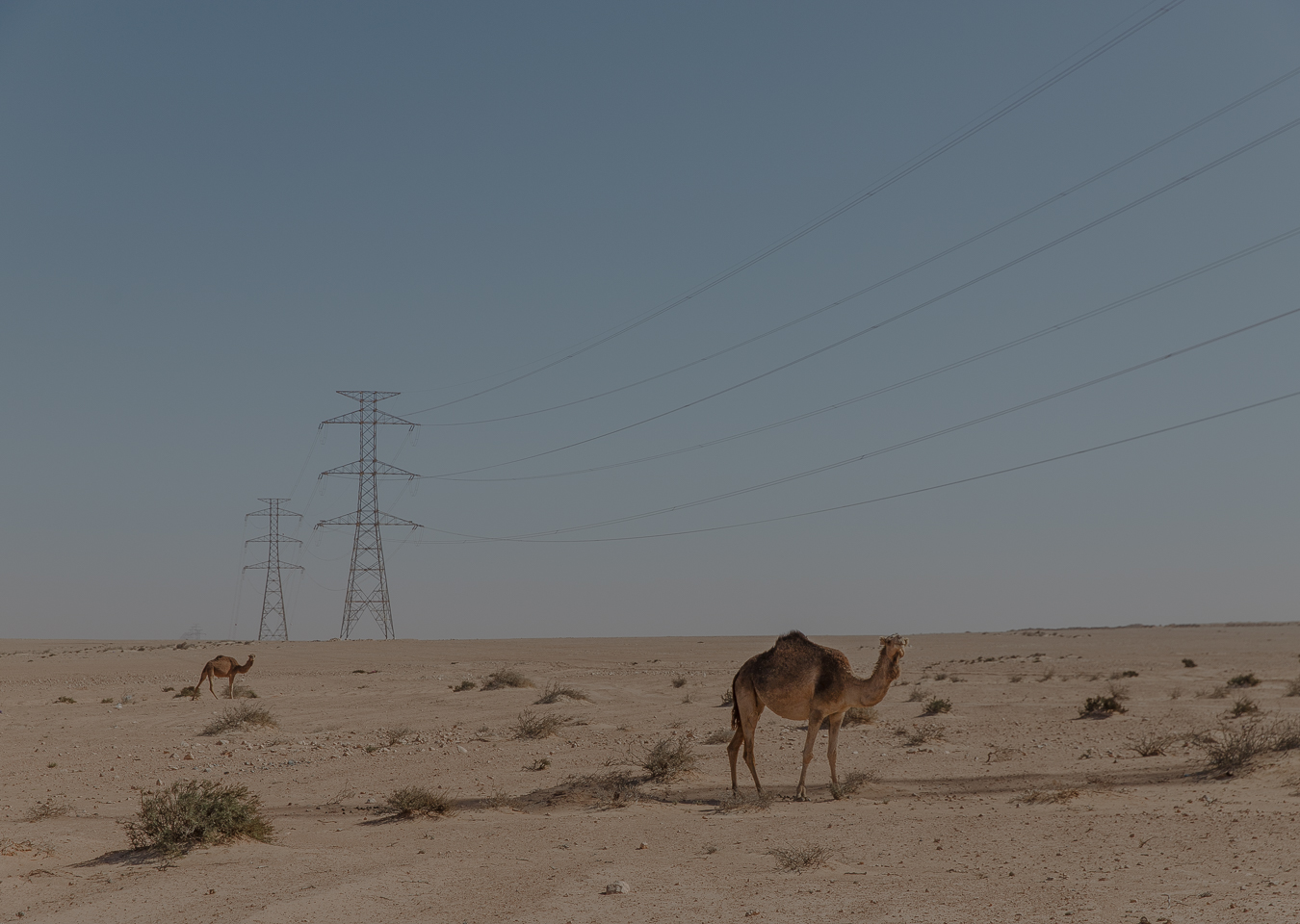
Another company of the Moroccan king involved in occupied Western Sahara
A company closely linked to Morocco’s royal business network has entered a new project in occupied Western Sahara, partnering with a Chinese state-owned electricity giant on high-voltage infrastructure in Boujdour.
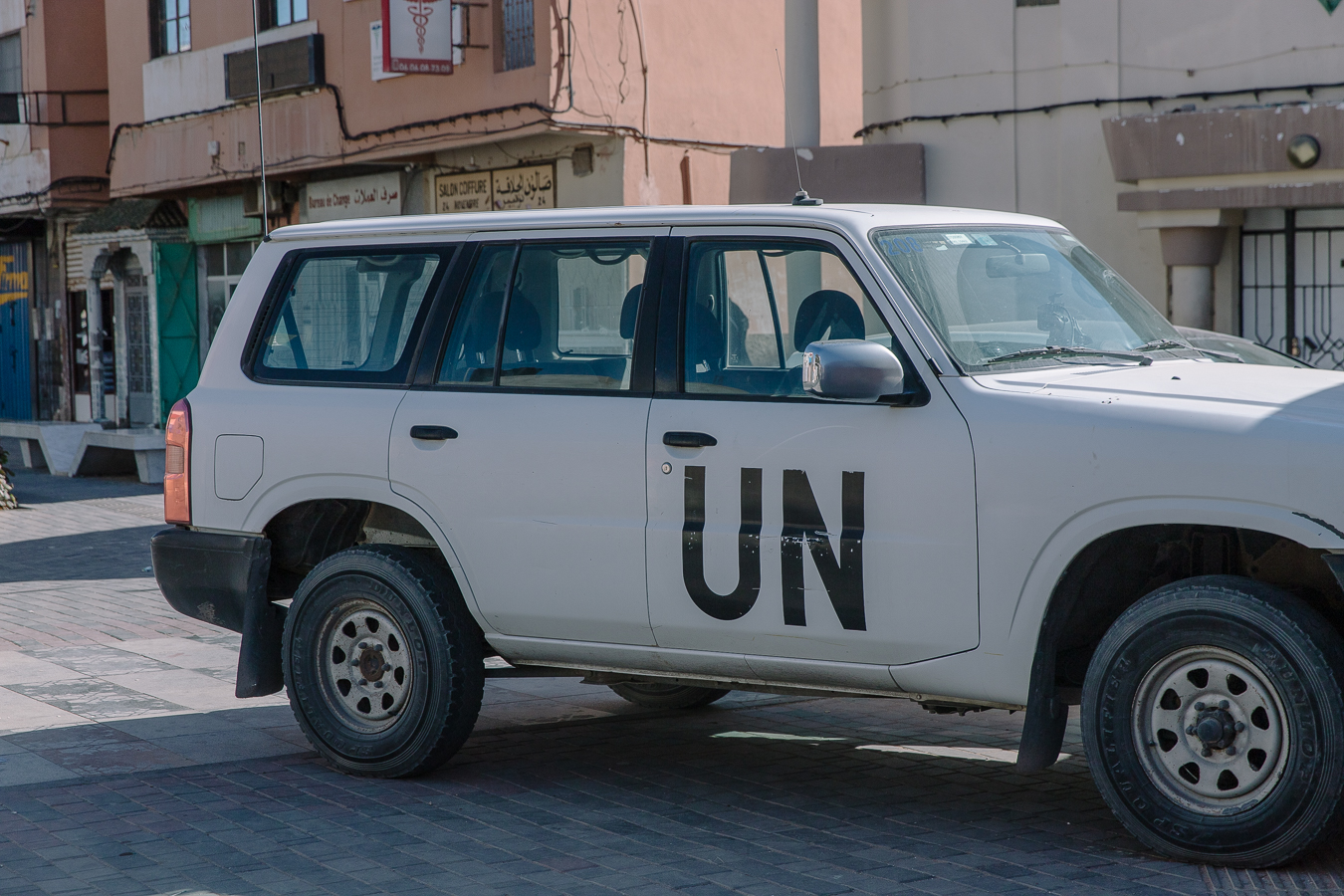
Don't let resource exploitation decide Western Sahara's future
Western Sahara Resource Watch calls on the UN to address the accelerating exploitation of the territory’s natural resources - and prevent it from becoming an even greater obstacle to self-determination.
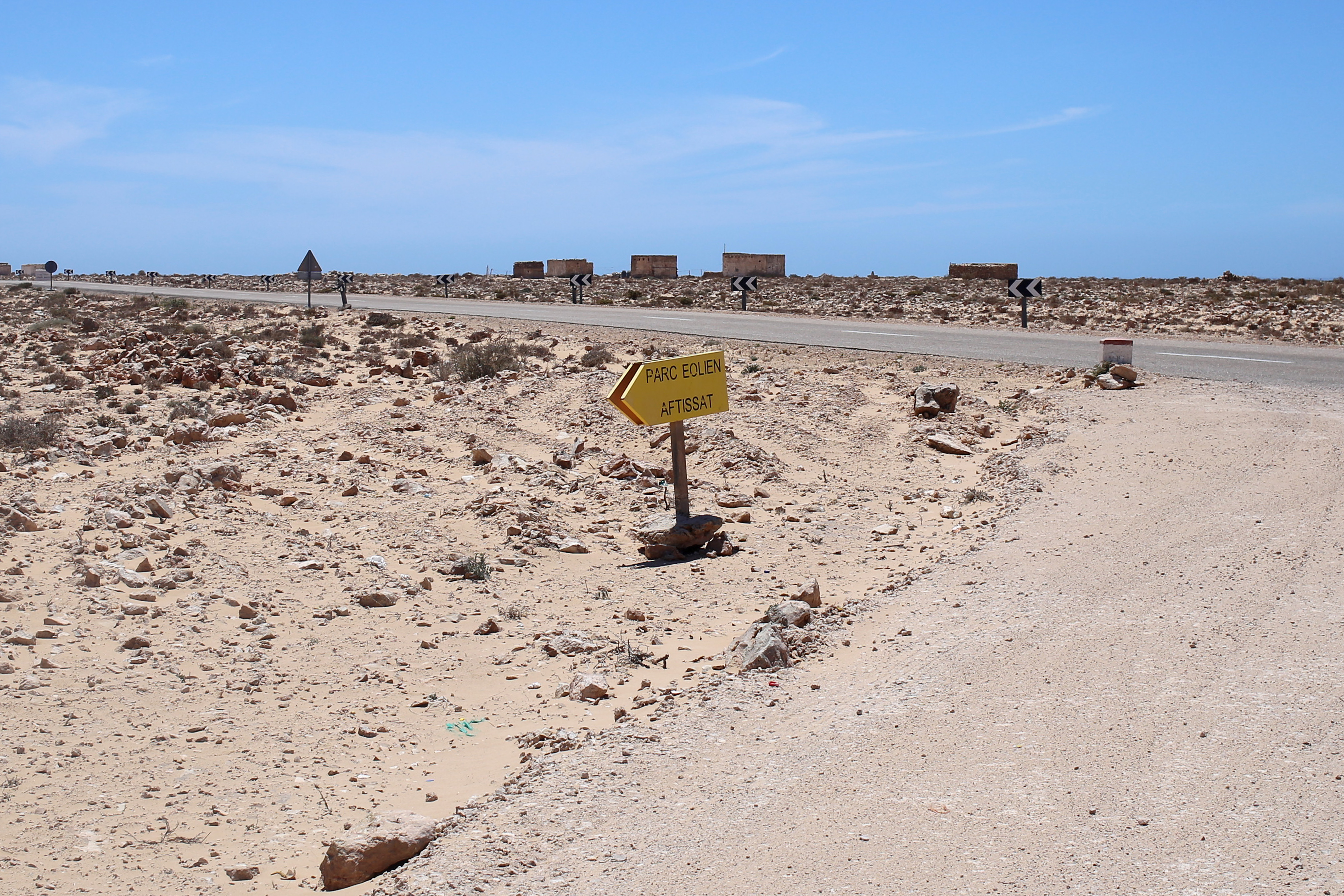
Occupied Western Sahara wind complex expands into Africa's top three
The Moroccan king’s energy company appears to have completed two new phases of the Aftissat wind power complex in occupied Western Sahara.

Dirty green energy on occupied land
How can it be wrong to develop renewable energy, in a world that is in desperate need for a green transition? In Western Sahara, the problems are numerous.