European Court of Justice to assess EU-Morocco agri-deal next week

The European Court of Justice will assess the EU-Morocco agricultural agreement over Western Sahara, next Tuesday 16 June 2015, at 9:30 am.
Published 10 June 2015
The so-called EU-Morocco agricultural agreement, concluded on 8 March 2012, fails to exclude Western Sahara from its territorial scope. As a result, agricultural produce from Western Sahara, such as tomatoes and melons, ends up on the European market through a deal with Morocco. As such, the agreement provides an implicit recognition of Morocco's untenable and illegal presence in the threequarters of Western Sahara that it occupies since 1975 - though not a single EU Member State, or any other State in the world, recognises Morocco's self-proclaimed sovereignty over the territory.
The Frente Polisario, the political representative of the Saharawi people - the sole inhabitants of Western Sahara prior to Morocco's invasion - had submitted its appeal against the agreement on 19 November 2012. The action, known as Case T -180/14, is directed at the Council of the European Union as a signatory of the Agreement, and in a second phase also against the European Commission which has chosen to intervene in the proceedings.
Mhamed Khaddad, leading official of the Frente Polisario, says that “by presenting this action before the European court, the Frente POLISARIO, subject of international law and the sole representative of the Sahrawi people, defends the right to self-determination of the Saharawi people and, consequently, the protection of natural resources whose exploitation can only be carried out in the interest of this people and under their control.”
He went on to say that “the EU may sign whatever agreements it wants with Morocco, but these agreements cannot in any case apply to the territory of Western Sahara. However, the in-depth analysis of the dossier has shown that the EU is directly present in the territory of Western Sahara, while the territoriality of the EU/Morocco agreement does not in any way allow this European presence in the territory of Western Sahara, which is not under Moroccan sovereignty”.
Western Sahara is a former Spanish colony. Upon Spain's withdrawal from the territory, Morocco invaded with military force. An estimated 160.000 Saharawis today survive in harsh conditions in Algerian refugee camps, where they found shelter for Morocco's onslaught. Many Saharawis still live in their homeland under occupation, undergoing gross human rights violations on a daily basis. The two parts of the Saharawi people live separated by a 2000 kilometer military fortified wall that Morocco erected throughout the territory, surrounded by some of the world's most dense mine fields.
The United Nations consider Western Sahara to be a Non-Self-Governing Territory (a colony) under Article 73 of the UN Charter - a legal status that has been affirmed by the International Court of Justice in its opinion of 16 October 1975 and that has been confirmed consistently by all UN bodies. Morocco, as the occupying power, has no right to administer the Territory. In its ruling of 21 November 2014, the Spanish National High Court recalled that Spain “remains the administering power of Western Sahara” and is required by the UN Charter to complete the decolonisation of the Territory of Western Sahara.
News
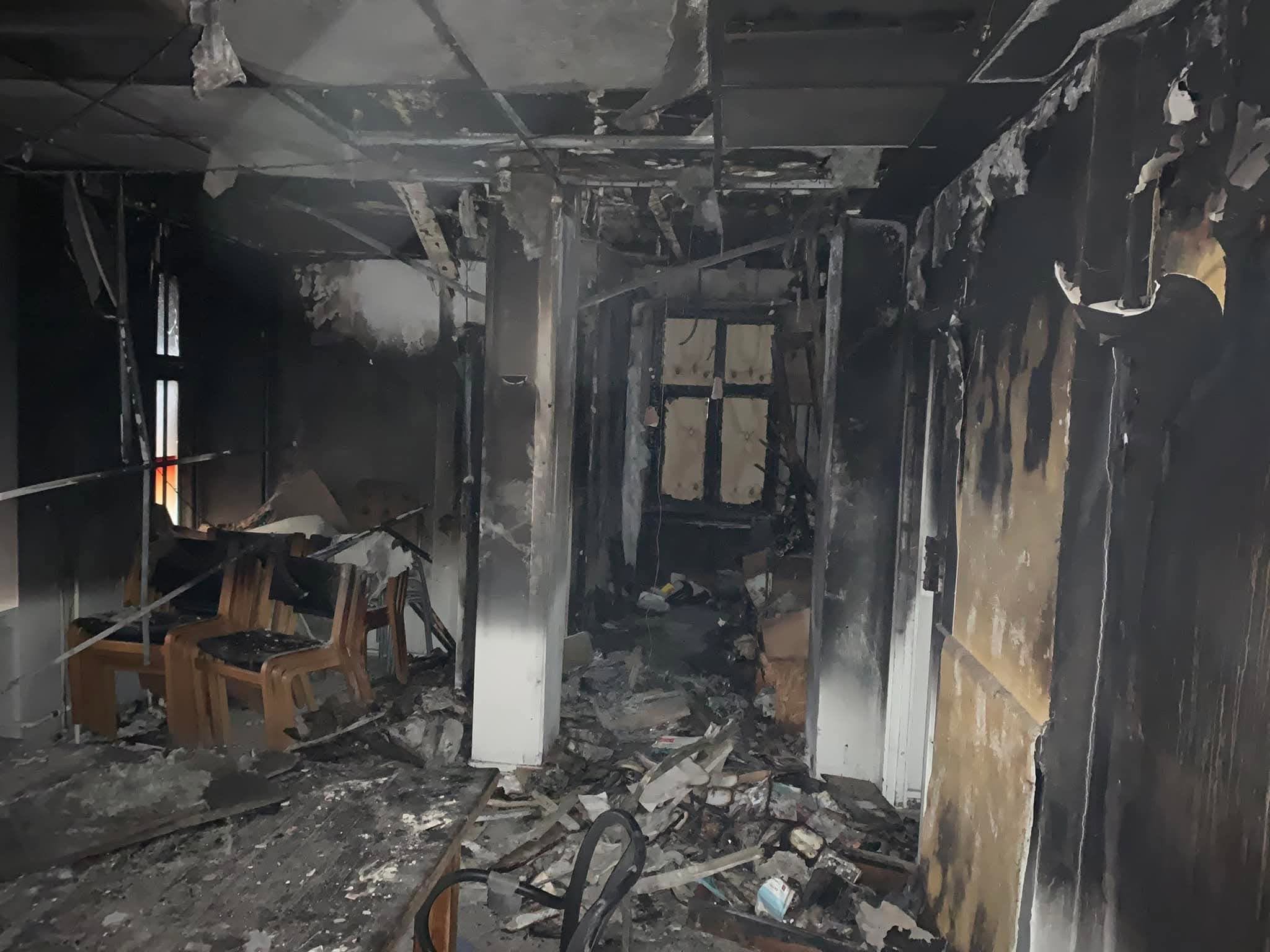
Trial underway over firebombing of WSRW partner in Denmark
A trial has begun in Copenhagen against four men accused of carrying out the January 2025 arson attack on the offices of WSRW partner Global Aktion.
15 June 2026
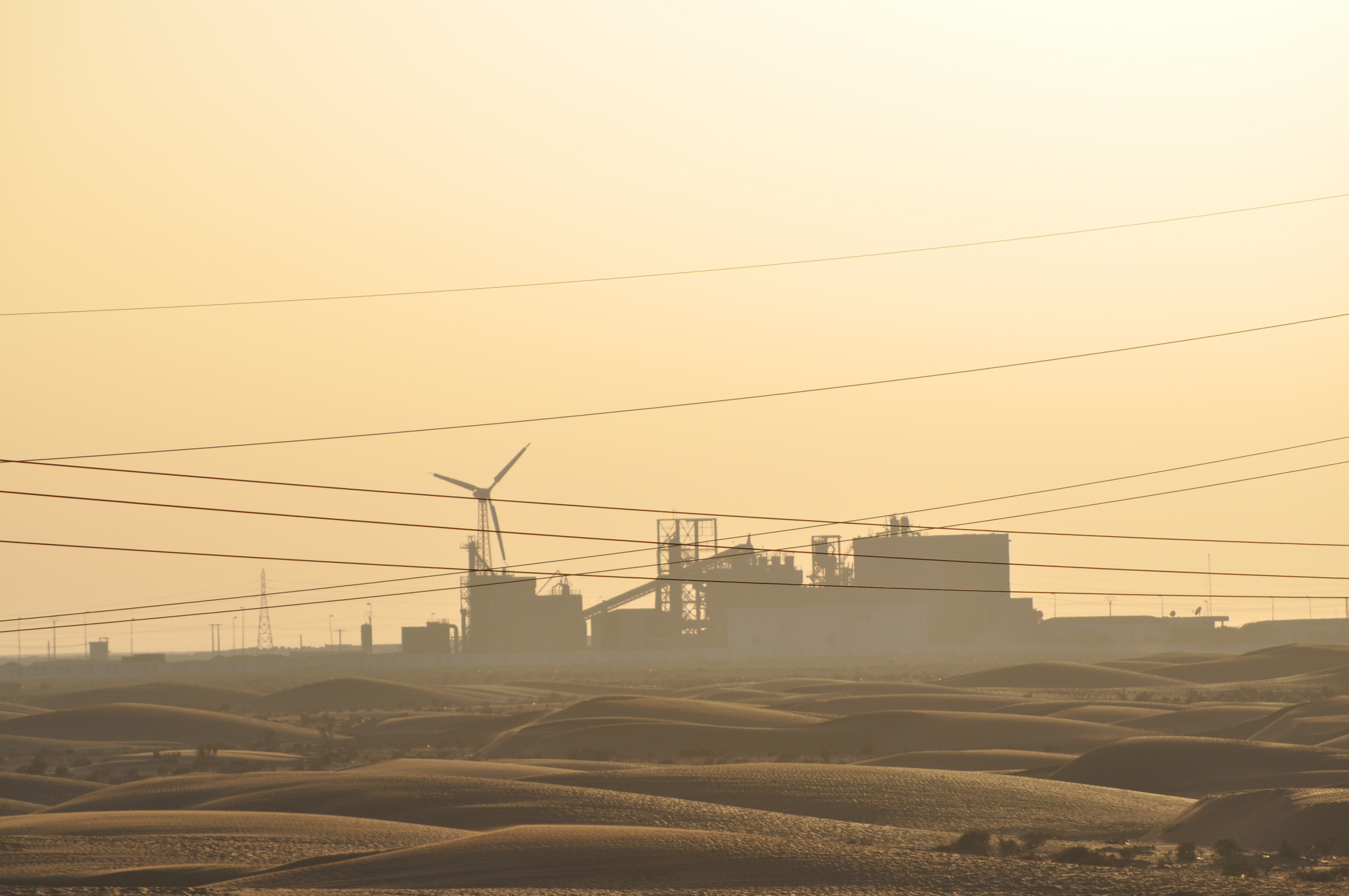
Heidelberg Materials deepens its role in Morocco’s occupation of Western Sahara
The German company confirms once again that its operations in occupied Western Sahara are closely tied to Morocco’s infrastructure expansion in the territory - while continuing to dismiss the Saharawi people’s right to consent.
05 June 2026

The conflict phosphates - four decades of plunder
For over 40 years, a Moroccan state-owned company has exported phosphate rock from occupied Western Sahara.
29 May 2026
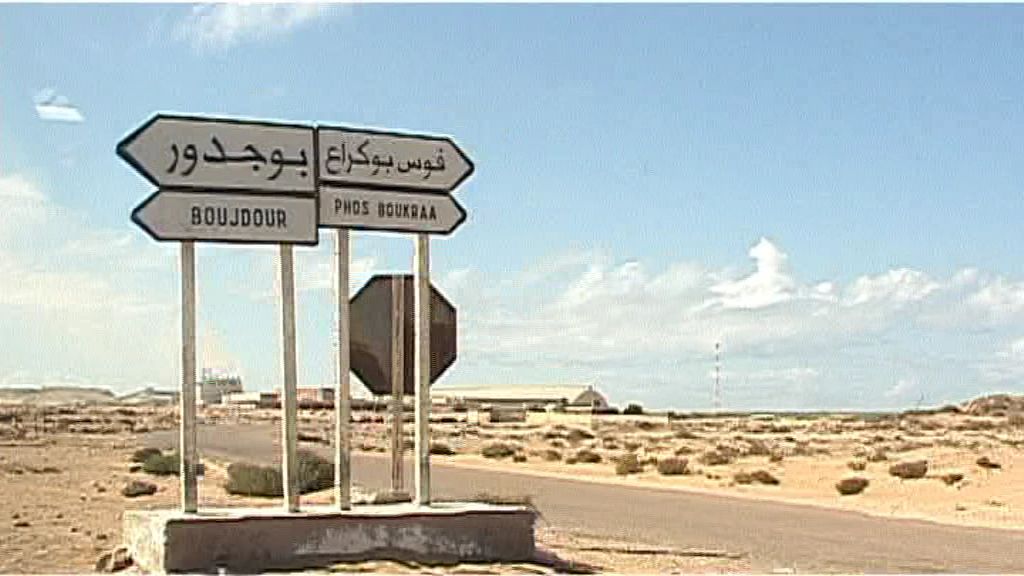
Record low number of importers of Western Sahara phosphates
Only three companies imported phosphate rock from occupied Western Sahara in 2025 - the lowest number ever recorded. The findings appear in our annual P for Plunder report, released today.
29 May 2026