Moroccan government accused of fraud with EU anti-driftnet money
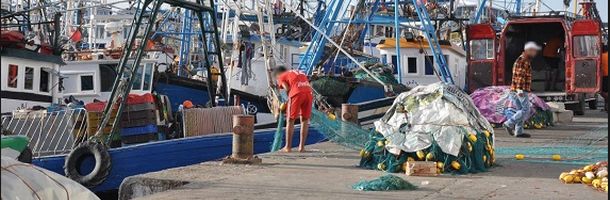
Morocco received 4 million € from the European Union to put a stop to the harmful use of driftnets. Morocco's Trade Union of Traditional and Coastal Fishermen claims that the entire sum was given to two individuals lacking any legal status to receive the money, and has taken the matter to court.
Published 26 June 2015
Above photo: Moroccan fisherman unloading driftnets in harbour of Tangiers, Morocco. Photo by Oceana.
Moroccan media is buzzing with the news of an enormous financial scandal facing the country's Ministry for Agriculture and Fisheries. Scooping the story was El Masa', a Moroccan newspaper, which on Friday 26 June published incriminating documents that significantly substantiate the accusation of the fishermen's union.
According to the documents seen by El Masa', a representative of the Moroccan Minister for Agriculture and Fisheries called Zakia Driwish had a meeting with two individuals, K.Y. and M.S., who were asked to impersonate representatives of the fishermen in order to be able to take the 4 million €. K.Y. had to act as the Secretary General of the Fishermen's Union, while M.S. acted as the local secretary of the National Federation of Workers in Tangiers. In reality, the two men, whose names have so far not been disclosed, had nothing to do with any trade union.
The real Secretary General of the Trade Union of Traditional and Coastal Fishermen, Rachid Sueli, put down a complaint for impersonation in 2013. That complaint was reviewed a first time by the Court of Tangier last week, on 23 June. According to Sueli, the fishermen have not seen a cent of the EU support. Instead, he claims, there was a deal at the level of the Ministry to divide the money among themselves. That claim now appears to be substantiated by the documents seen by El Masa'.
Under the previous Protocol to the EU-Morocco Fisheries Parnership Agreement, which ran from 2007 to 2011, Morocco received an annual sum of 1 million € to encourage its fishermen to abandon the destructive use of driftnets. The EU-Moroccan fish deal is particularly controversial for allowing Morocco to control where fishing activities can take place; consequently, EU vessels are violating international law by their activity in the waters of the parts of Western Sahara that have been under Moroccan military occupation since 1975.
A 2011 review of the previous fisheries Protocol proved that the whole deal was disastrous for the fish stocks, with Morocco's owns stocks depleted and the Western Saharan stocks under severe pressure. The EU somehow sought to counter the environmental criticism through pointing out that it was paying Morocco to encourage its own fleet to drop the use of driftnets. But the 2011 review revealed that at least under the first three years of the protocol, the Moroccan government had not even used the money they were given for this purpose.
In June 2014, environmental organisation Oceana published a report that proved that the illegal driftnets were still used in Morocco.
Today's publication of El Masa' suggests where the EU money ultimately ended up; in a shady fraudulous deal that involved high ranking Ministry representatives.
News
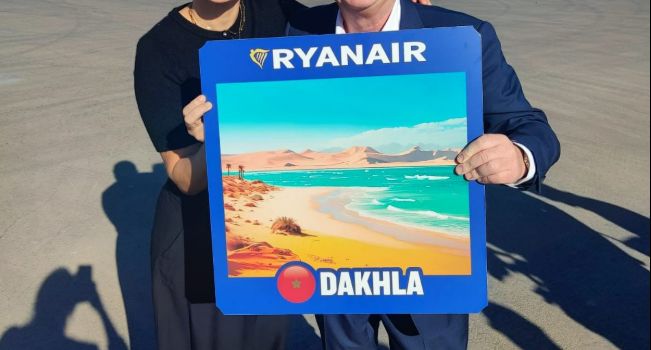
Irish ad watchdog: Ryanair misleading about flights to Western Sahara
In a preliminary decision, the Irish advertising watchdog says the airline’s ads are likely to mislead, as Dakhla is “not a part of Morocco”.
16 October 2026
Gdeim Izik prisoners resume hunger strike
Saharawi political prisoners have resumed a hunger strike in Moroccan prisons, demanding their release, improved detention conditions and the implementation of UN decisions.
06 October 2026
SRI update
The following overview enlists stock-exchange registered companies with current or recent operations in occupied Western Sahara. Updated 28 September 2026.
28 September 2026
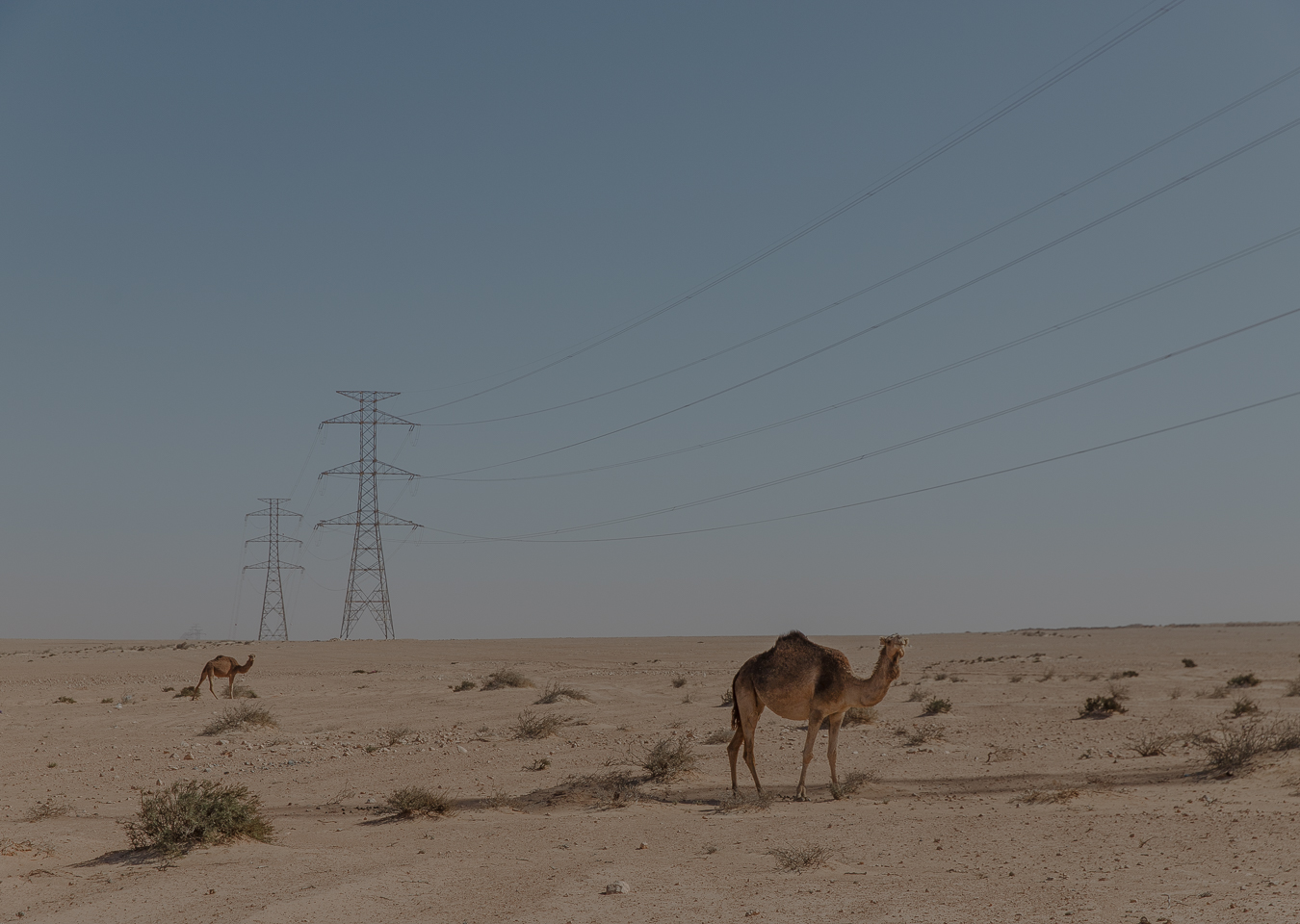
Another company of the Moroccan king involved in occupied Western Sahara
A company closely linked to Morocco’s royal business network has entered a new project in occupied Western Sahara, partnering with a Chinese state-owned electricity giant on high-voltage infrastructure in Boujdour.
10 September 2026