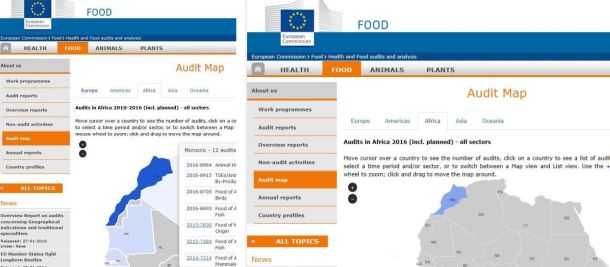
The EU has fixed a map that displayed Western Sahara as part of Morocco - and has postponed further sanitary controls in the Sahrawi occupied territory.
Vice-President of the European Commission, Federica Mogherini, on behalf of the Commission on 4 August 2016 came with a clarification that could have consequences for the EU's trade with occupied Western Sahara.
Mrs. Mogherini stated that three audits which the EU Food and Veterinary Office, had planned in Morocco in 2016 had been postponed, while a fourth would not visit Western Sahara.
It is unclear to Western Sahara Resource Watch what impact this decision has on the trade itself in products from Western Sahara. The Union has strict sanitary requirements, and producers that do not possess the right approvals cannot sell their products in the EU.
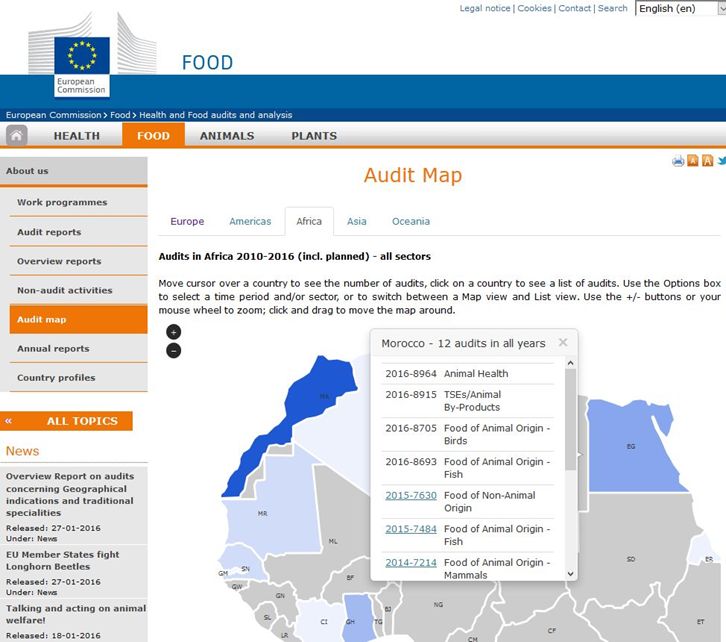
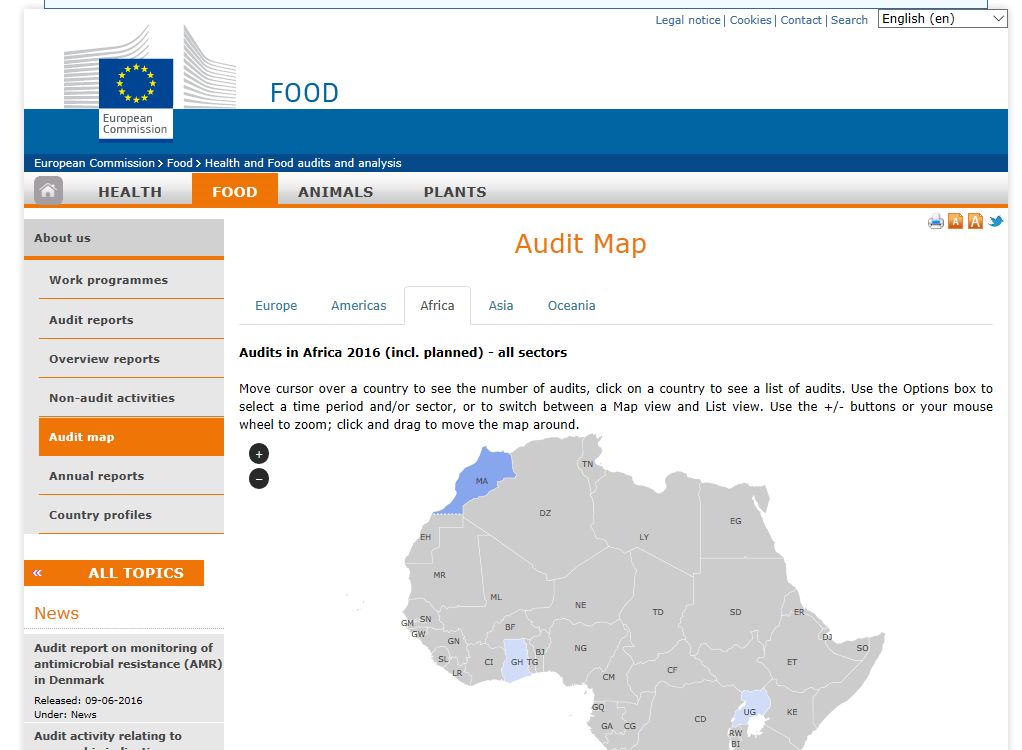
In addition, Mrs. Mogherini commented that an erroneous map published on the website of the EU's food agency, "has been corrected according to the United Nations practices and standards as well as international law".
The changes came as a response to a parliamentary question on 17 May 2016.
See the map on the EU audit website from from May 2016, and corrected in August (or download).
Gdeim Izik prisoners resume hunger strike
Saharawi political prisoners have resumed a hunger strike in Moroccan prisons, demanding their release, improved detention conditions and the implementation of UN decisions.
SRI update
The following overview enlists stock-exchange registered companies with current or recent operations in occupied Western Sahara. Updated 28 September 2026.
Another company of the Moroccan king involved in occupied Western Sahara
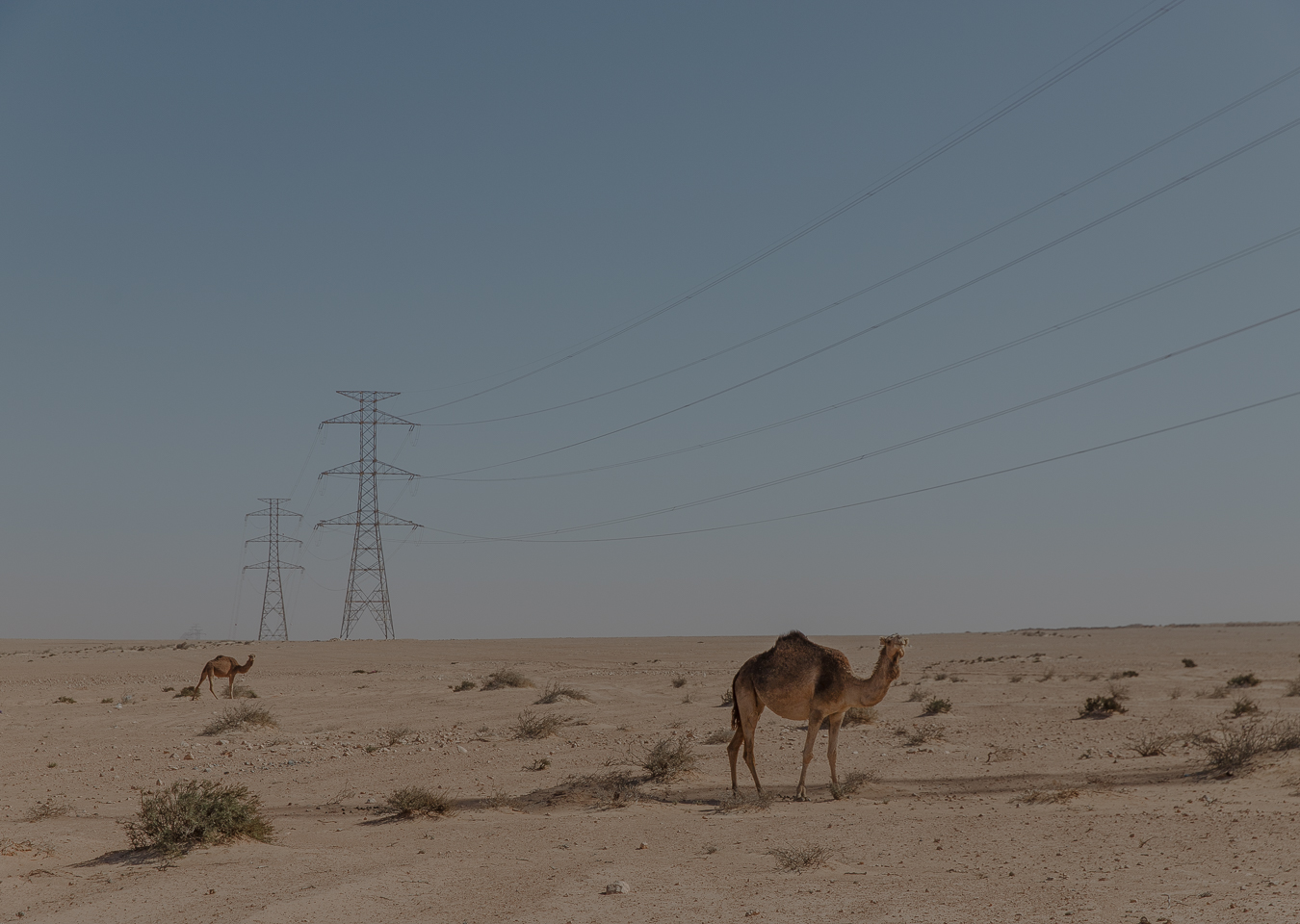
A company closely linked to Morocco’s royal business network has entered a new project in occupied Western Sahara, partnering with a Chinese state-owned electricity giant on high-voltage infrastructure in Boujdour.
Don't let resource exploitation decide Western Sahara's future
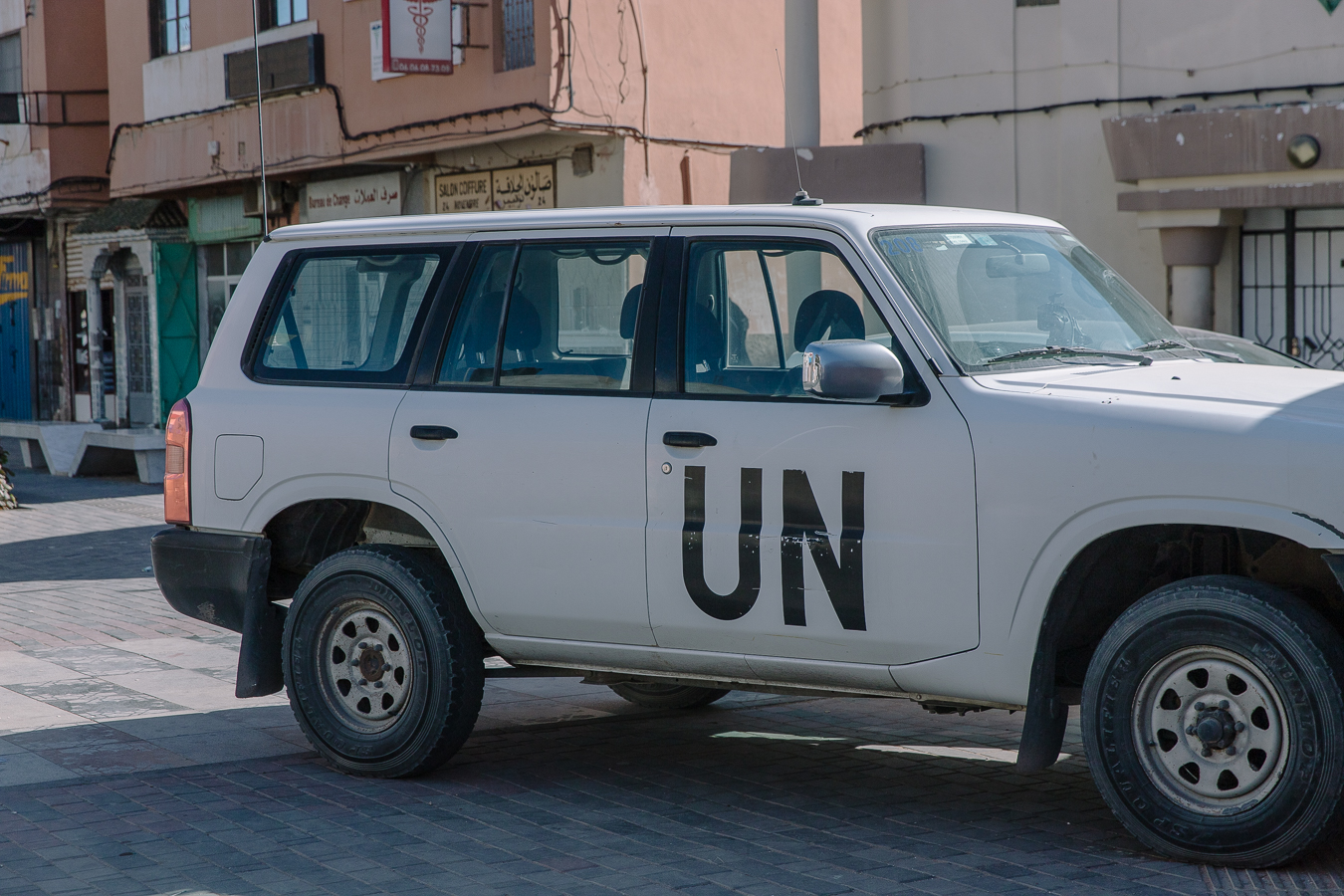
Western Sahara Resource Watch calls on the UN to address the accelerating exploitation of the territory’s natural resources - and prevent it from becoming an even greater obstacle to self-determination.