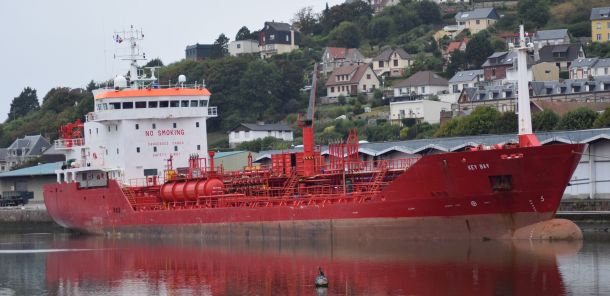
The tanker Key Bay yesterday arrived Fécamp. French customs refuse to comment. We have the images.
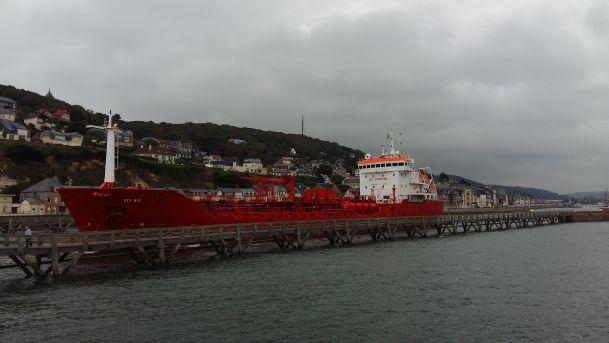
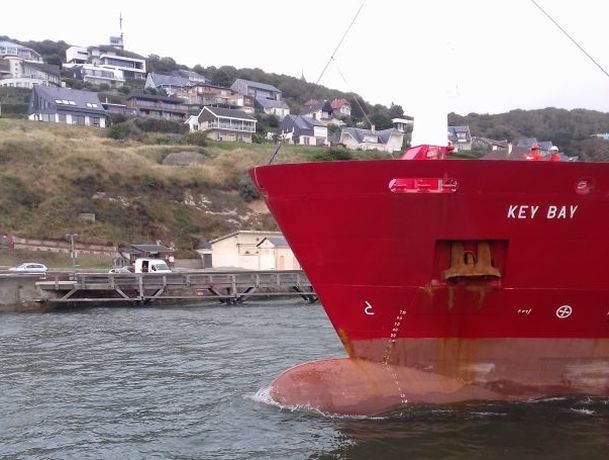
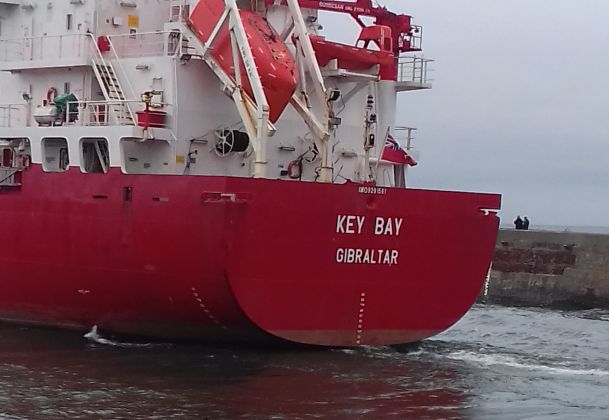
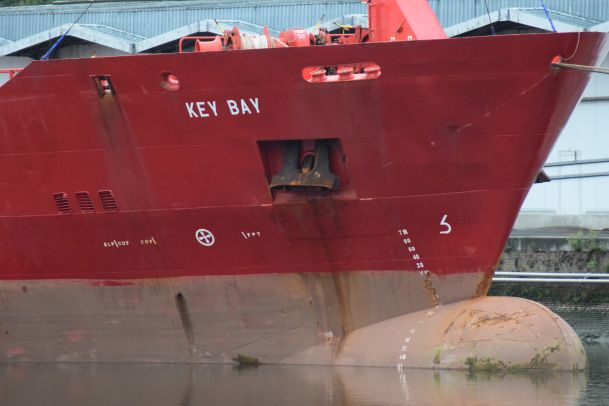
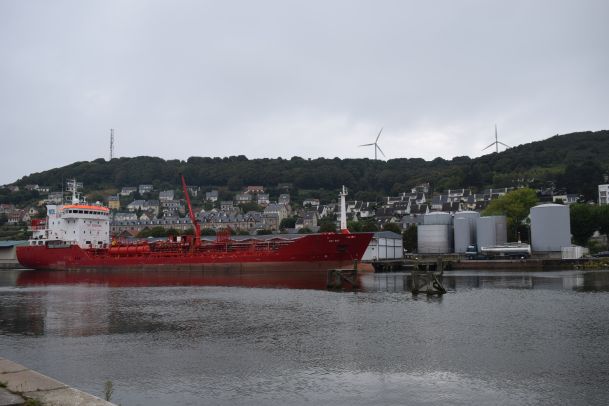
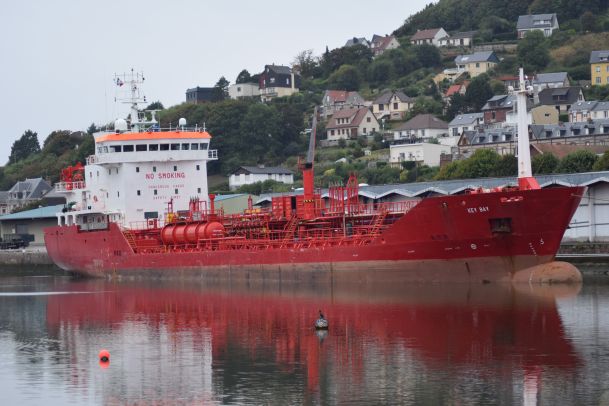
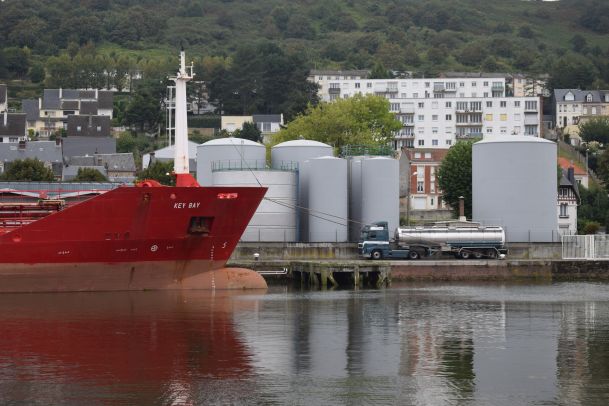
The Gibraltar-registered chemical tanker 'Key Bay' on 15 September 2016 at 11 PM, arrived the town of Fécamp, France.
The vessel contains a controversial cargo: tonnes of fish oil from Western Sahara. It is not only the first confirmed fish oil transports from Western Sahara over the course of this year, it is furthermore the most documented export case in all businesses from Western Sahara into the EU during the whole 2016.
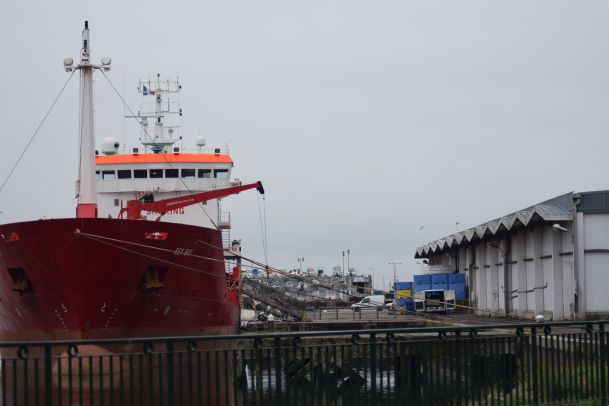
See images below, showing the vessels arrival to Fécamp, taken 16 September, before the vessel left Fecamp harbour around noon.
French national newspaper Libération on 16 September 2016 wrote that the French customs refuses "to comment while the court case is still ongoing". French customs had earlier this week stated to EU Observer that the trade agreement is valid.
The the Court of Justice of the EU, however, has already on 10 December 2015 concluded that goods from Western Sahara cannot be included in the EU-Morocco trade agreement. In its appeal, the EU institutions did not ask for a temporary suspension of that decision while the appeal is under process. On 13 September, the Advocate General of the Court stated that Western Sahara is not part of the EU-Morocco trade deal.
There is no sign that the EU institutions, Morocco, the exporters in Western Sahara or the importers in Europe have taken any measures to respect the conclusion of the 10 December 2015 judgement. All trade seems to be going on as if nothing has happened.
Olvea - the probable importer of the fish oil into Normandy - did not respond to Libérations emails. The Norwegian charterer Sea Tank Chartering refused to comment to Libération.
The owner of the truck on the dock, a Dutch company, has informed to WSRW that it is not related to the transports of the cargo.
Gdeim Izik prisoners resume hunger strike
Saharawi political prisoners have resumed a hunger strike in Moroccan prisons, demanding their release, improved detention conditions and the implementation of UN decisions.
SRI update
The following overview enlists stock-exchange registered companies with current or recent operations in occupied Western Sahara. Updated 28 September 2026.
Another company of the Moroccan king involved in occupied Western Sahara
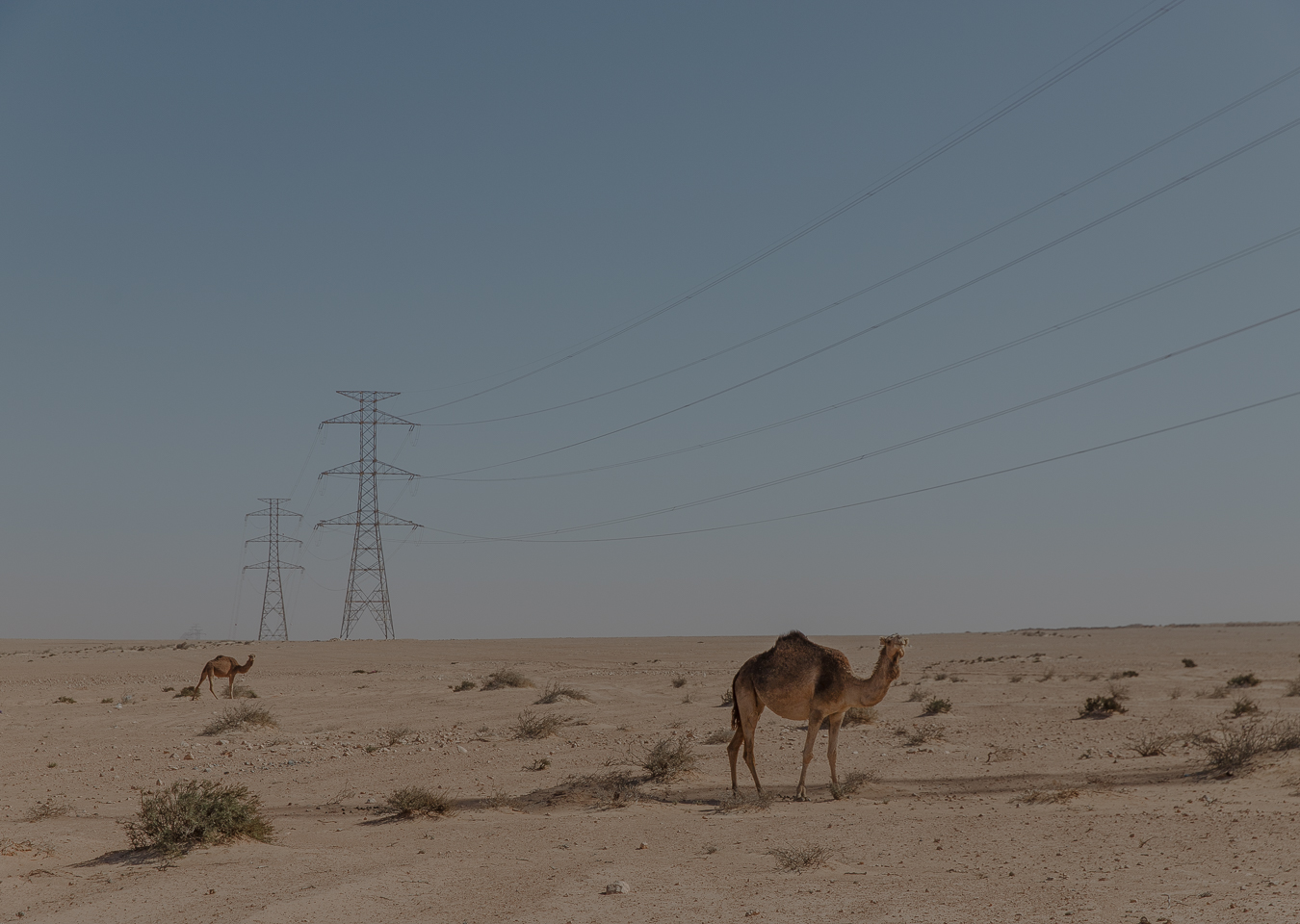
A company closely linked to Morocco’s royal business network has entered a new project in occupied Western Sahara, partnering with a Chinese state-owned electricity giant on high-voltage infrastructure in Boujdour.
Don't let resource exploitation decide Western Sahara's future
Western Sahara Resource Watch calls on the UN to address the accelerating exploitation of the territory’s natural resources - and prevent it from becoming an even greater obstacle to self-determination.