Having been adjourned three times already, the trial is expected to take off today, though 22 of the defendants have spent nearly two years in pre-trial custody. Moroccan law edicts that a defendant cannot be imprisonned for a period exceeding 12 months without trial.
The charges against the Saharawi detainees include belonging to an armed gang, use of violence against representatives of the public forces exercising their duties, causing death by use of violence to Moroccan agents (applied to 12 of the accused) and desecration of a corpse (2 of the accused). In addition, they are charged with undermining state security - which could lead to life-imprisonment.
But most of the defendants are known for their longstanding human rights activism and their advocacy for an independent Western Sahara. Among those facing the court today is the president of the Saharawi Committee for the Protection of Natural Resources (CSPRON).
Just yesterday, the European Parliament adopted a Resolution calling for the release of all Saharawi political prisoners.
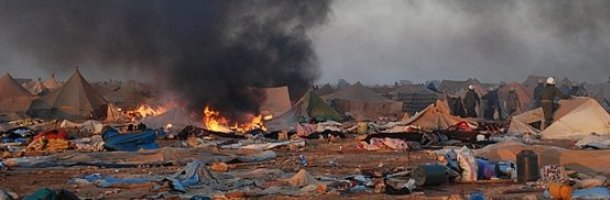
Most of the defendants were arrested on the backdrop of what has come to be known as the Gdeim Izik protest camp. In the autumn of 2010, thousands of Saharawi civilians took part in a spontaneous act of protest against the social and economical discrimination they endure in their occupied land. They pitched their tents a couple of miles outside of El Aaiun, the Western Saharan capital, in a place called Gdeim Izik. After a few weeks, and a continuous influx of more and more protesters, the Moroccan military attacked the camp and burned it to the ground on 8 November 2010. In the days following the violent dismantlement, Morocco did not allow media, foreign observers or even the UN peace force for Western Sahara, MINURSO, to come near the camp site.
As protesters were forced back to El Aaiun, after the destruction of the camp, street riots broke out, against symbols of the Moroccan occupation and the continuous plunder of Western Sahara.
Heidelberg Materials deepens its role in Morocco’s occupation of Western Sahara
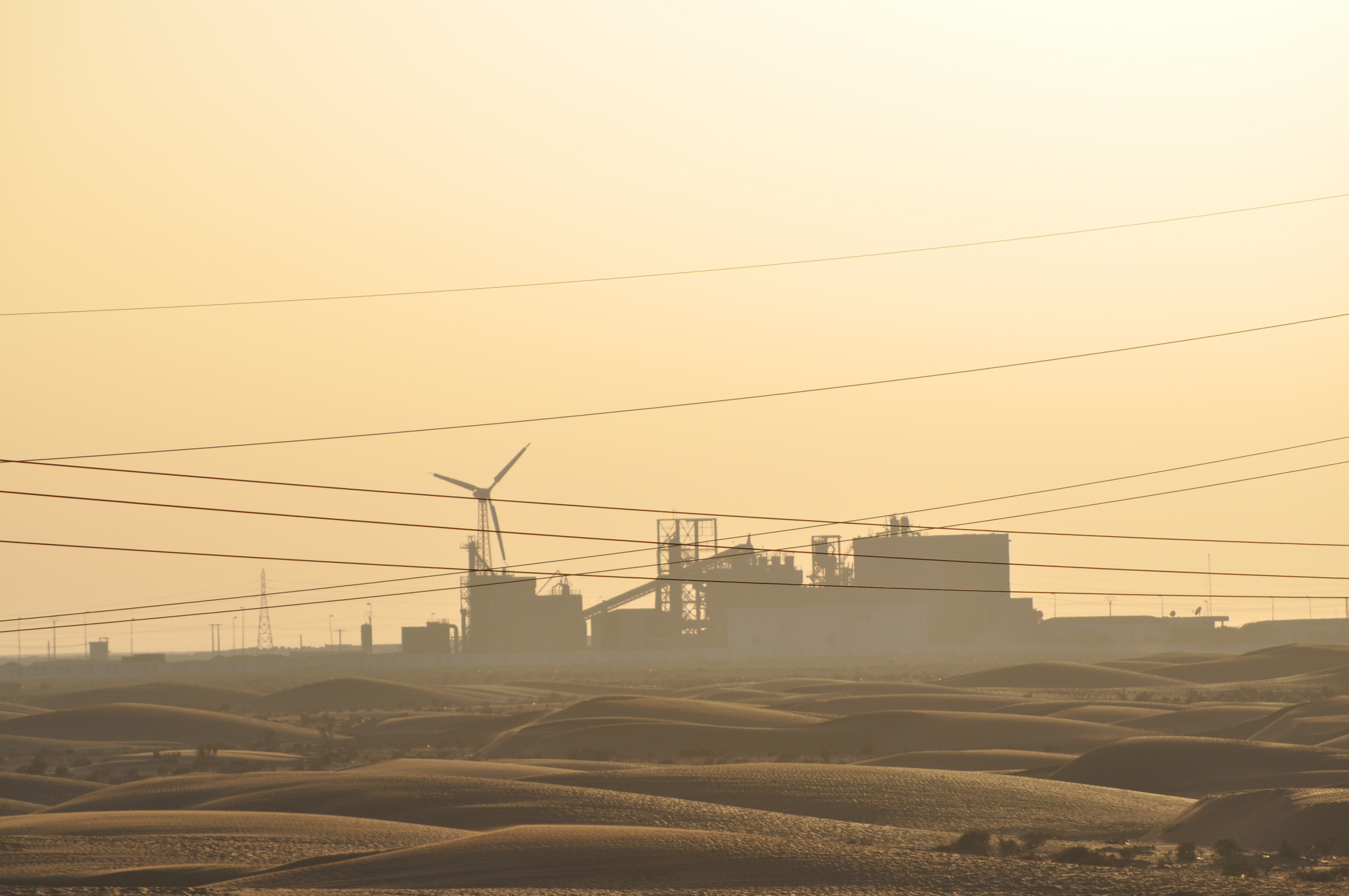
The German company confirms once again that its operations in occupied Western Sahara are closely tied to Morocco’s infrastructure expansion in the territory - while continuing to dismiss the Saharawi people’s right to consent.

The conflict phosphates - four decades of plunder
For over 40 years, a Moroccan state-owned company has exported phosphate rock from occupied Western Sahara.
Record low number of importers of Western Sahara phosphates
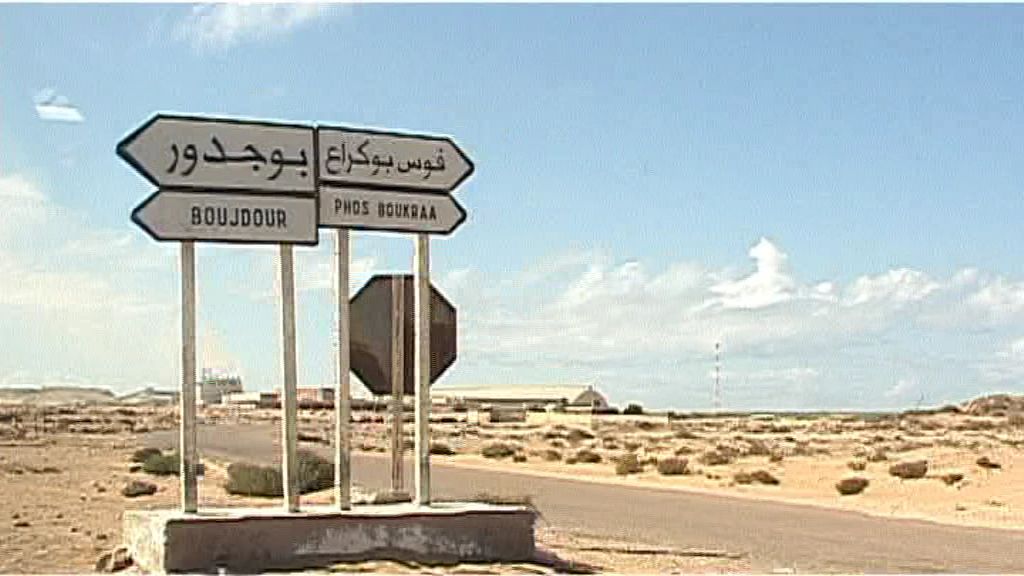
Only three companies imported phosphate rock from occupied Western Sahara in 2025 - the lowest number ever recorded. The findings appear in our annual P for Plunder report, released today.

One of the richest coastlines in the world
The fish stocks of occupied Western Sahara have not only attracted the interest of the Moroccan fleet: other foreign interests are also fishing in the occupied waters through arrangements with Moroccan counterparts. Along the Western Saharan coastline, a processing industry has emerged.