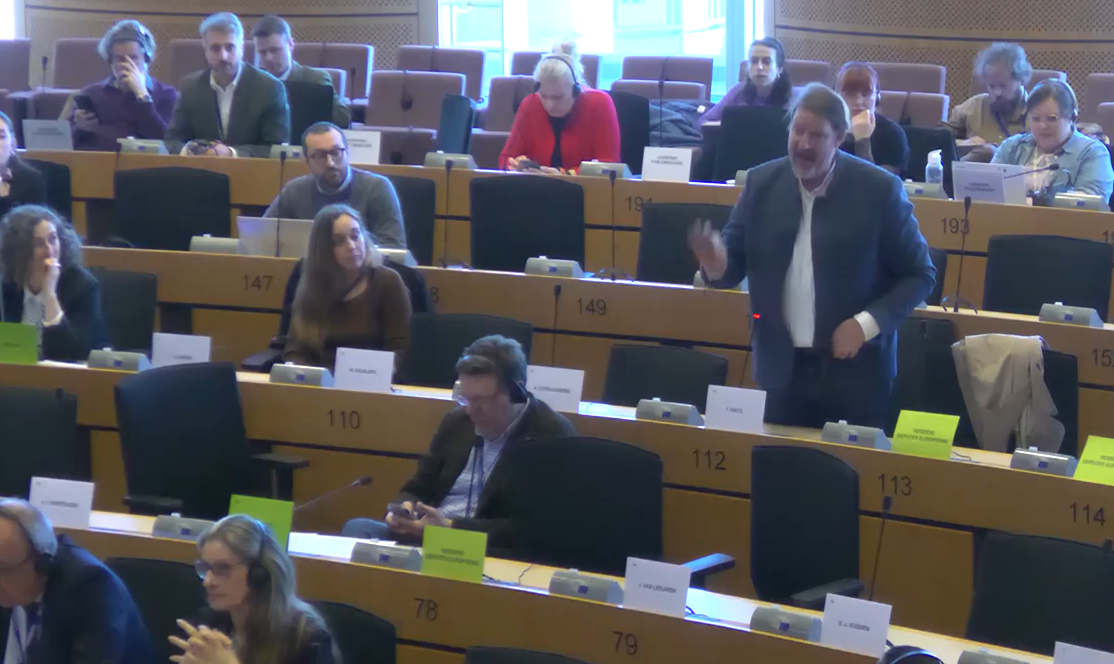
Diputados del Parlamento Europeo de todo el espectro político criticaron duramente a la Comisión Europea por su gestión de las relaciones comerciales entre la UE y Marruecos que abarcan el Sáhara Occidental ocupado, planteando preocupaciones sobre la legalidad, la transparencia y un aparente desprecio por el papel del Parlamento.
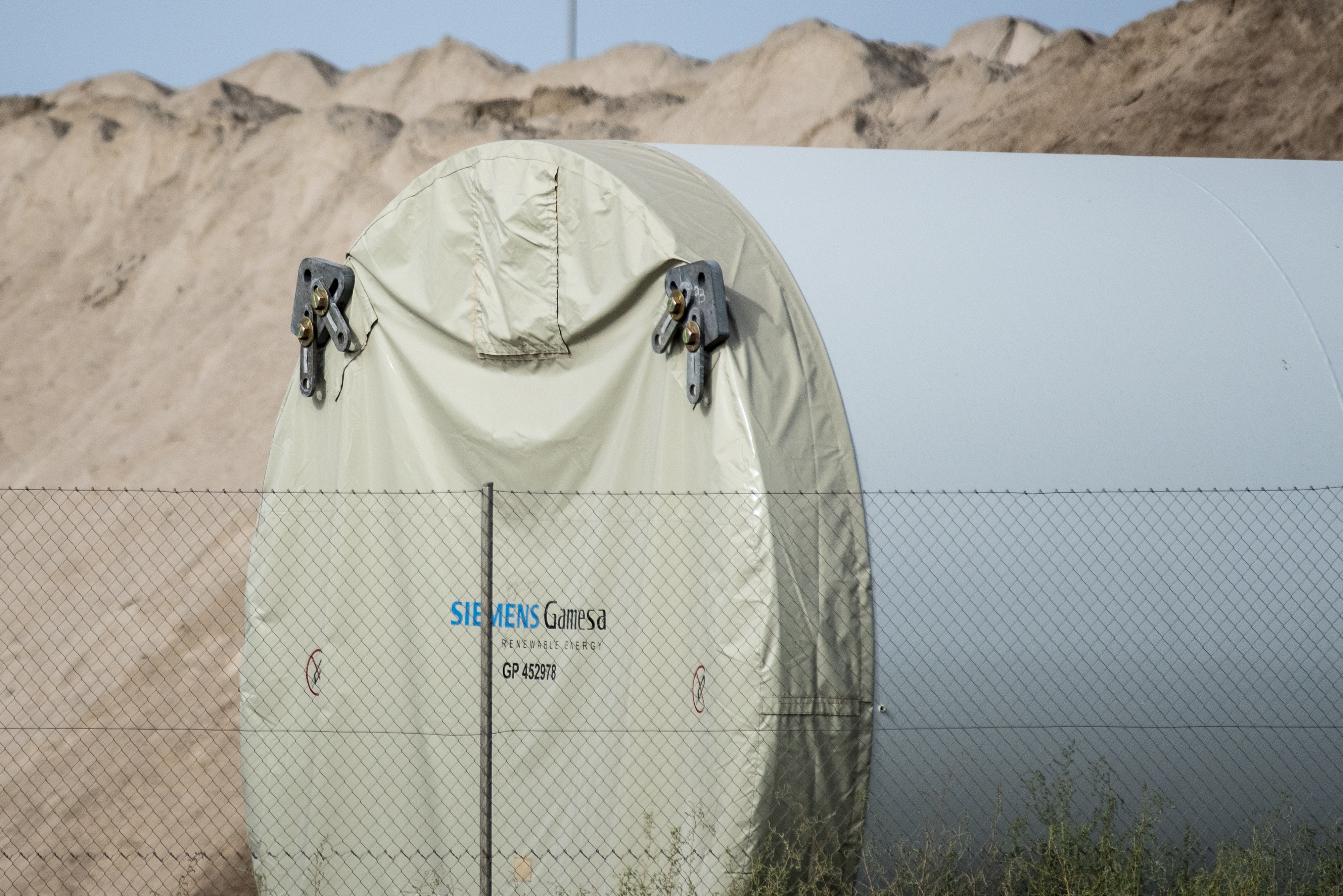
En su Junta General Anual de 2026, Siemens Energy defendió su participación en proyectos de energía eólica en el Sáhara Occidental ocupado.
Las ambiciones de Marruecos de convertirse en potencia mundial del hidrógeno verde se están acelerando. Sin embargo, Rabat está asignando terrenos en un territorio que no le pertenece legalmente.
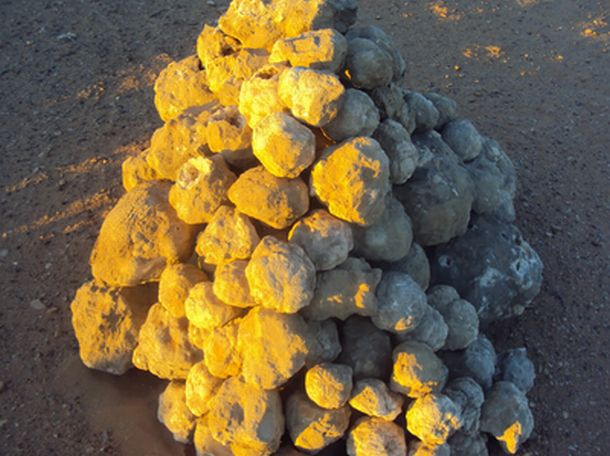
Con la intención de posicionarse como un proveedor clave de minerales estratégicos para las potencias occidentales, Marruecos ha firmado un nuevo acuerdo con Estados Unidos que cubre las aguas del Sáhara Occidental y los minerales críticos que estas albergan.
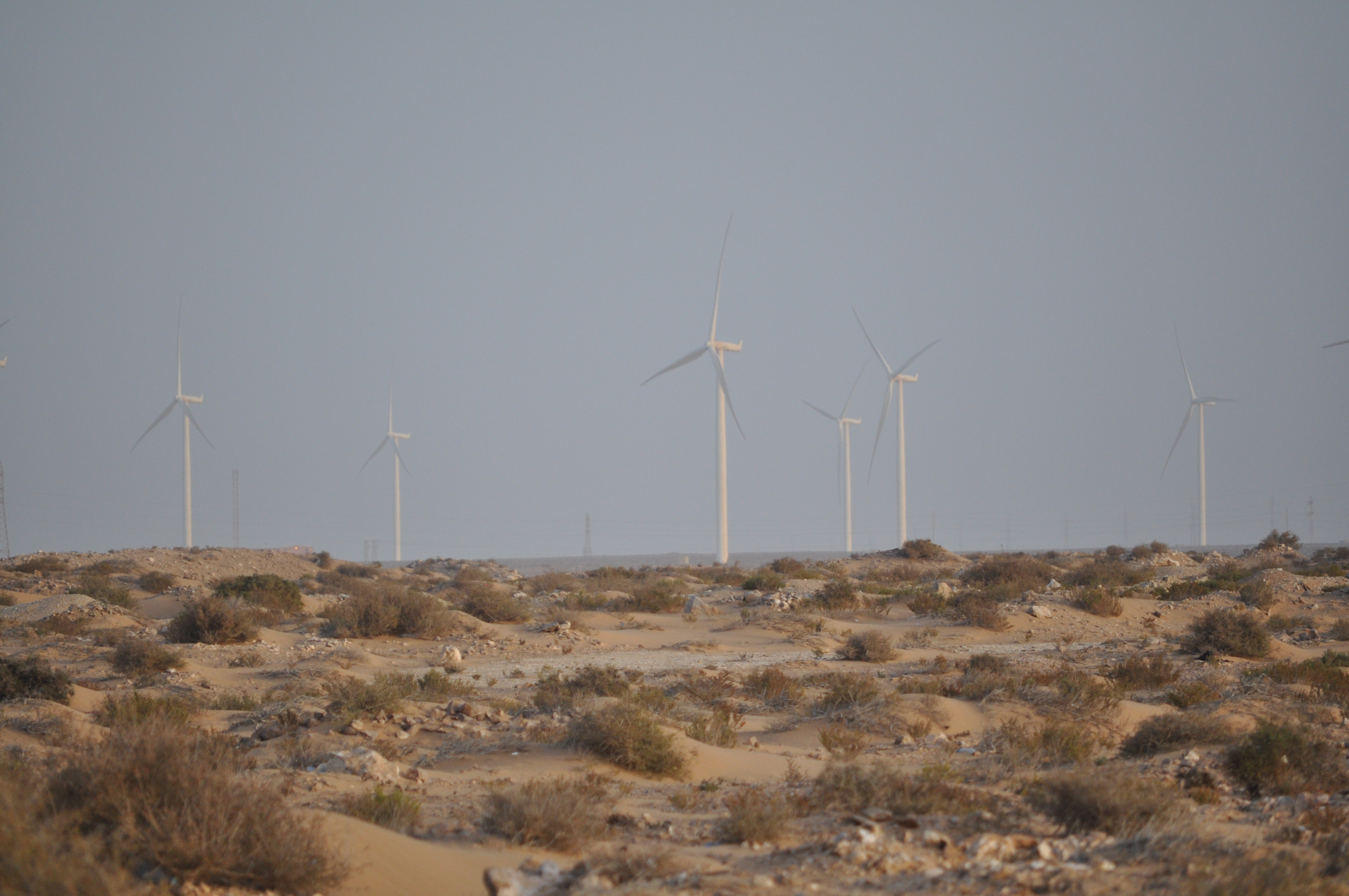
El impulso de Marruecos por el hidrógeno verde ha dado un paso decisivo en un territorio que no le pertenece legalmente.
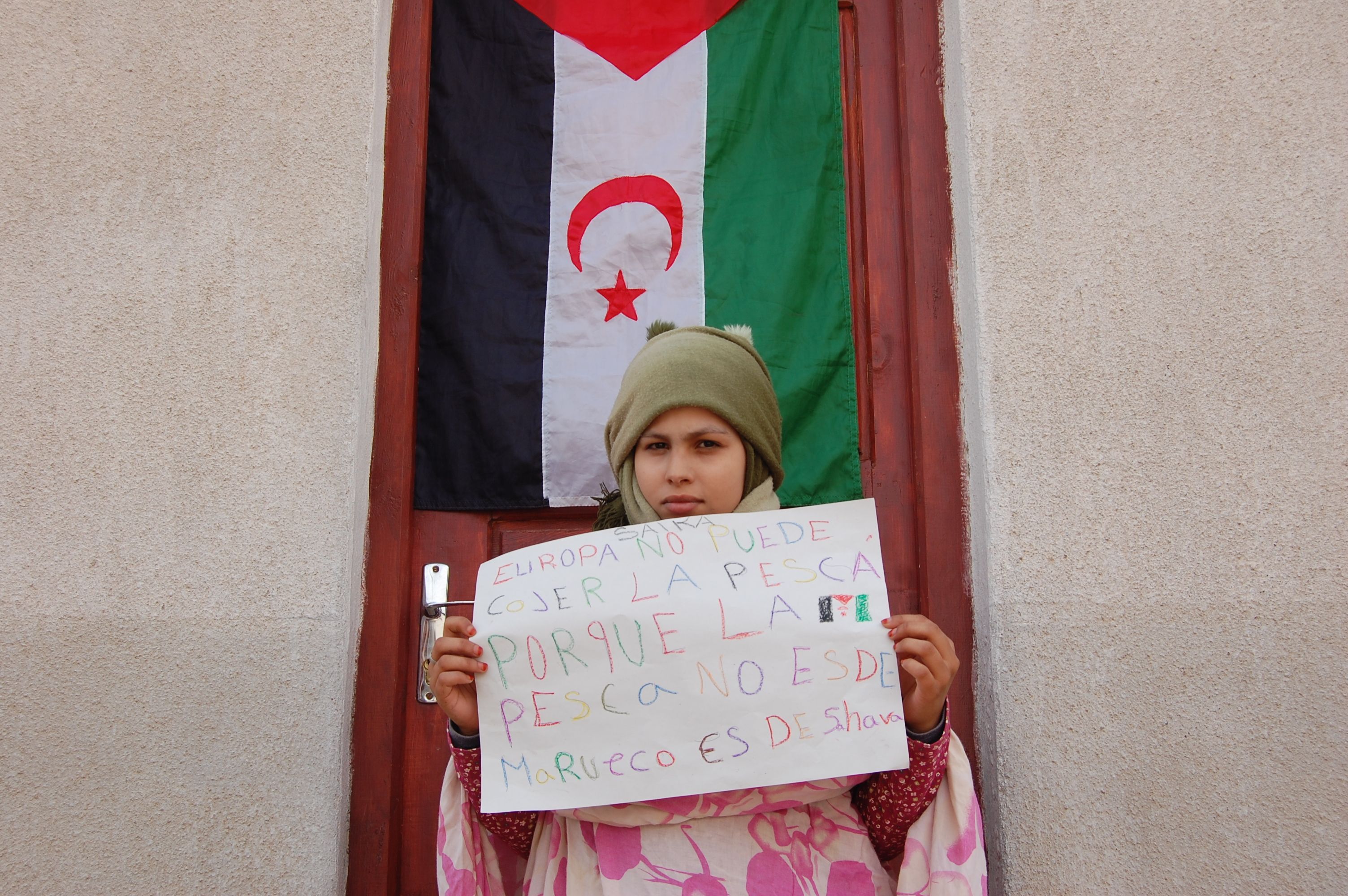
Una declaración conjunta surgida a raíz del Consejo de Asociación UE-Marruecos de la semana pasada pide a sus lectores que crean en una ficción: que un plan de autonomía sin definir, impuesto por una potencia ocupante, puede satisfacer el derecho a la autodeterminación, y que el respeto al derecho internacional puede coexistir con la omisión sistemática de las sentencias del propio tribunal supremo de la UE.
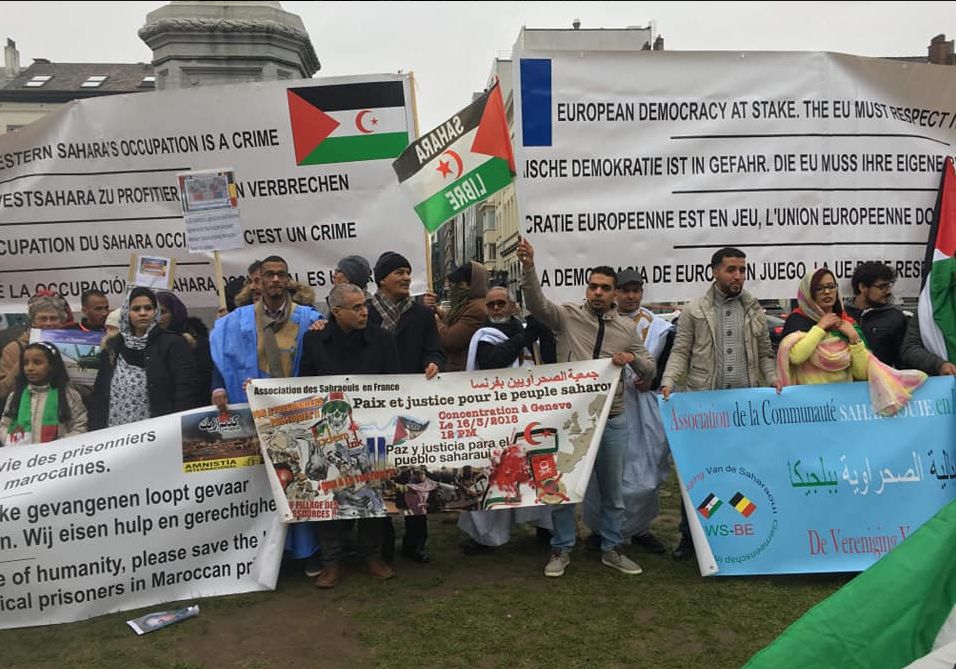
Mientras la Unión Europea, con razón, se moviliza en apoyo del derecho de los groenlandeses a decidir sobre su propio futuro frente a injerencias externas, una prueba del compromiso real de la UE con la autodeterminación se está llevando a cabo discretamente en Bruselas.
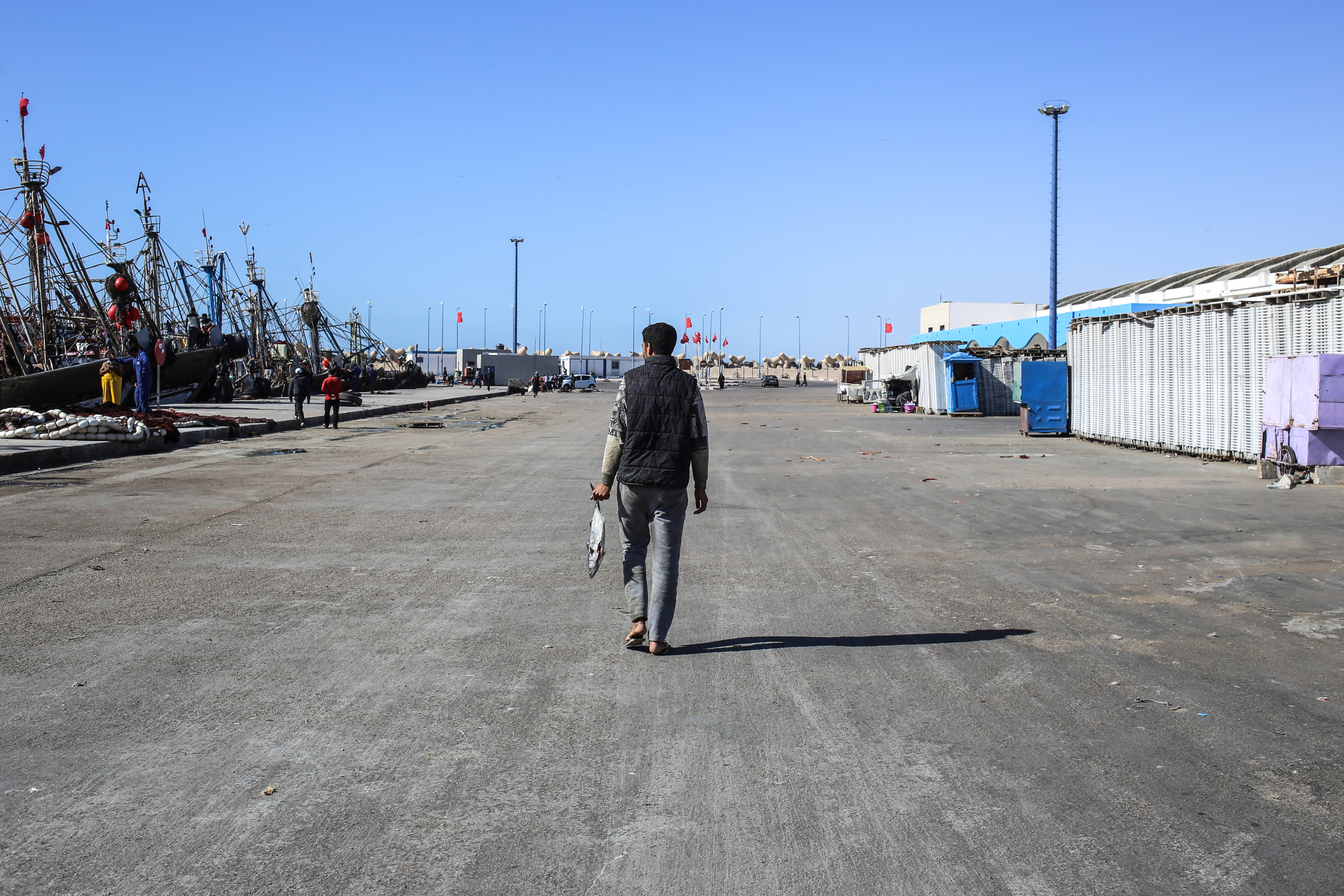
Las normas internacionales de certificación blanquean el controvertido comercio de Marruecos de productos pesqueros y agrícolas en el Sáhara Occidental ocupado, según revela un nuevo informe.

SGS culpa a otros por los errores en los certificados MarinTrust que había emitido a empresas marroquíes en el Sáhara Occidental ocupado.
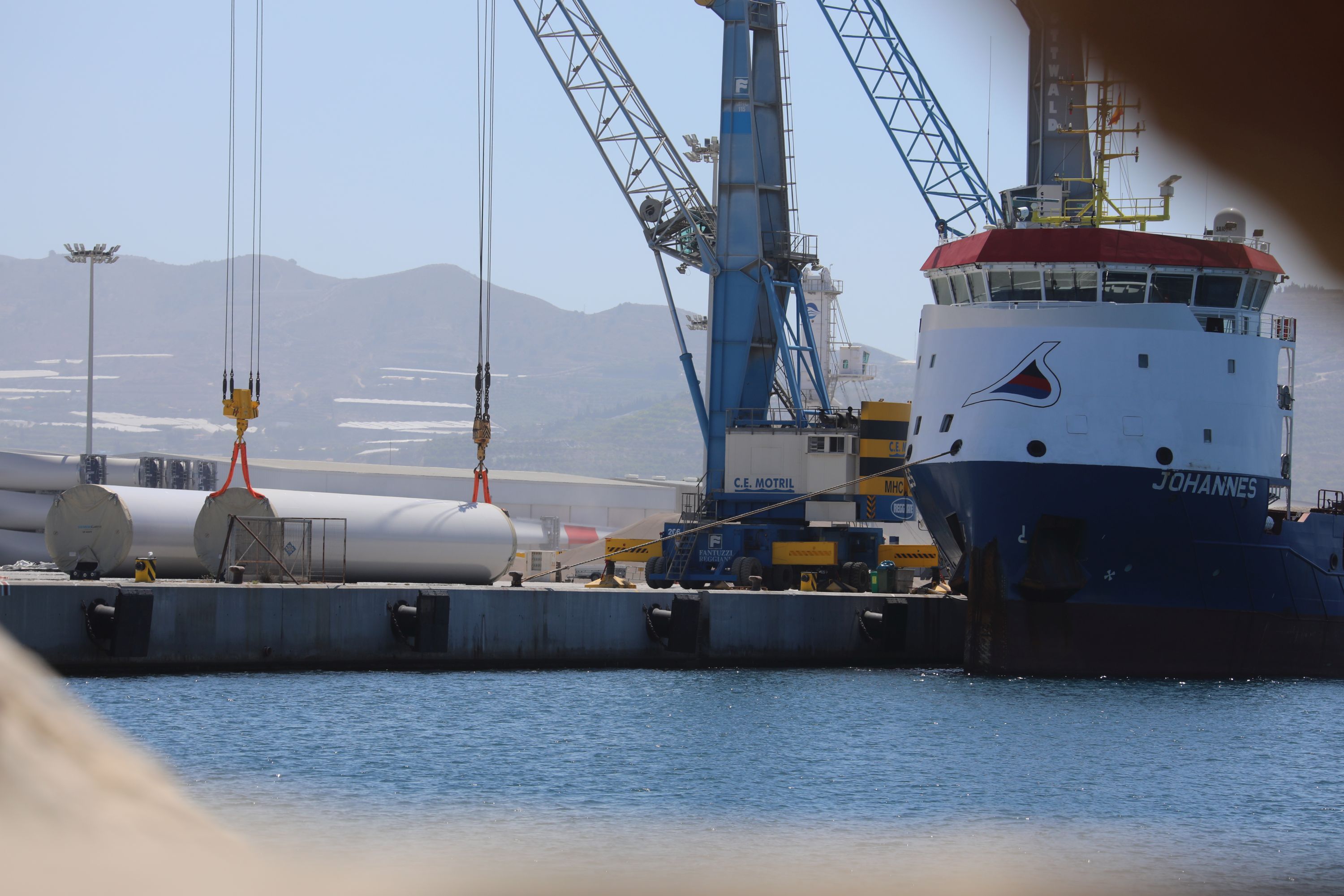
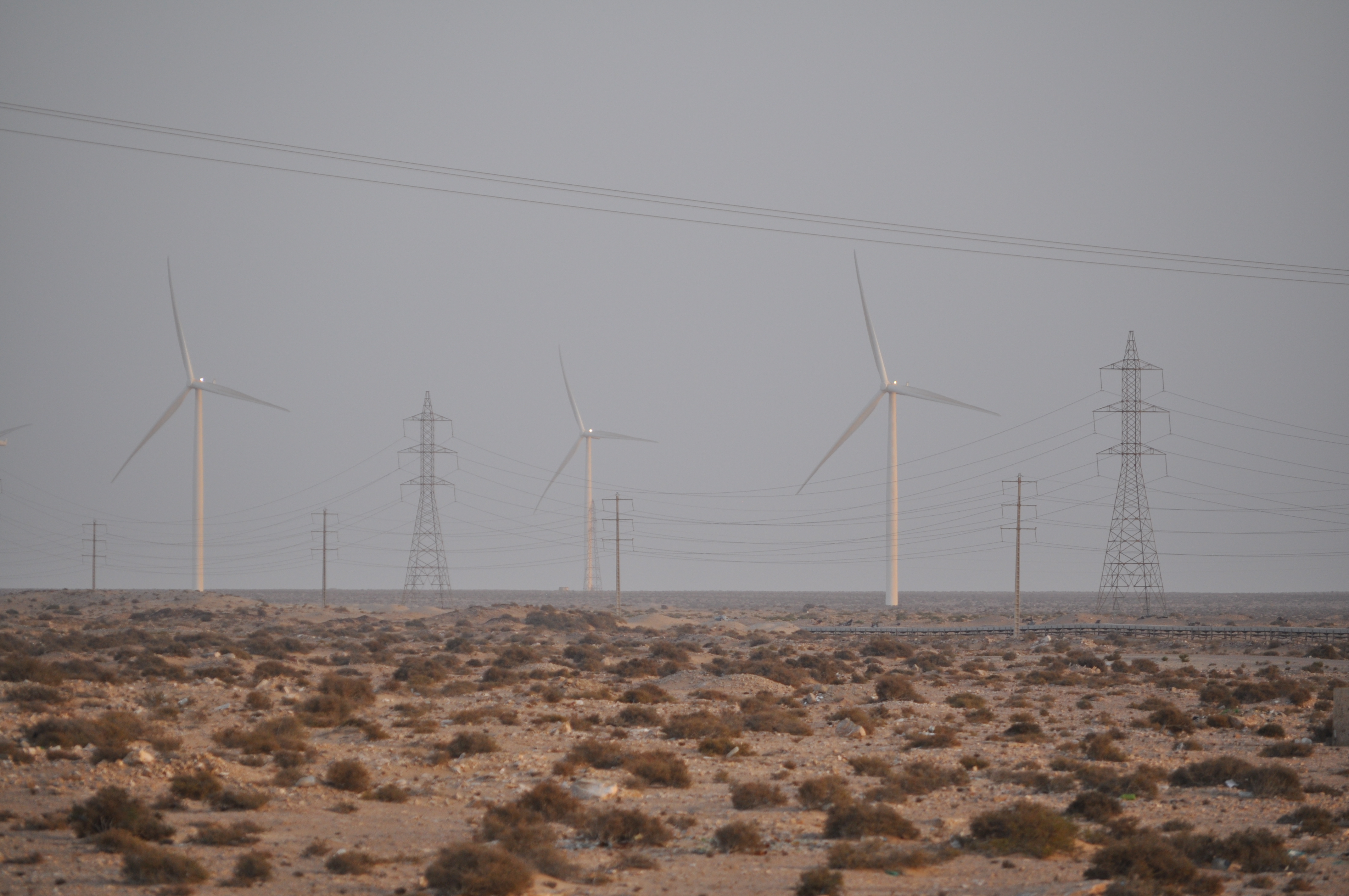
Ya disponible: WSRW publica hoy un nuevo informe que detalla los enormes —y profundamente problemáticos— proyectos de energía renovable que Marruecos está desarrollando en el Sáhara Occidental ocupado.
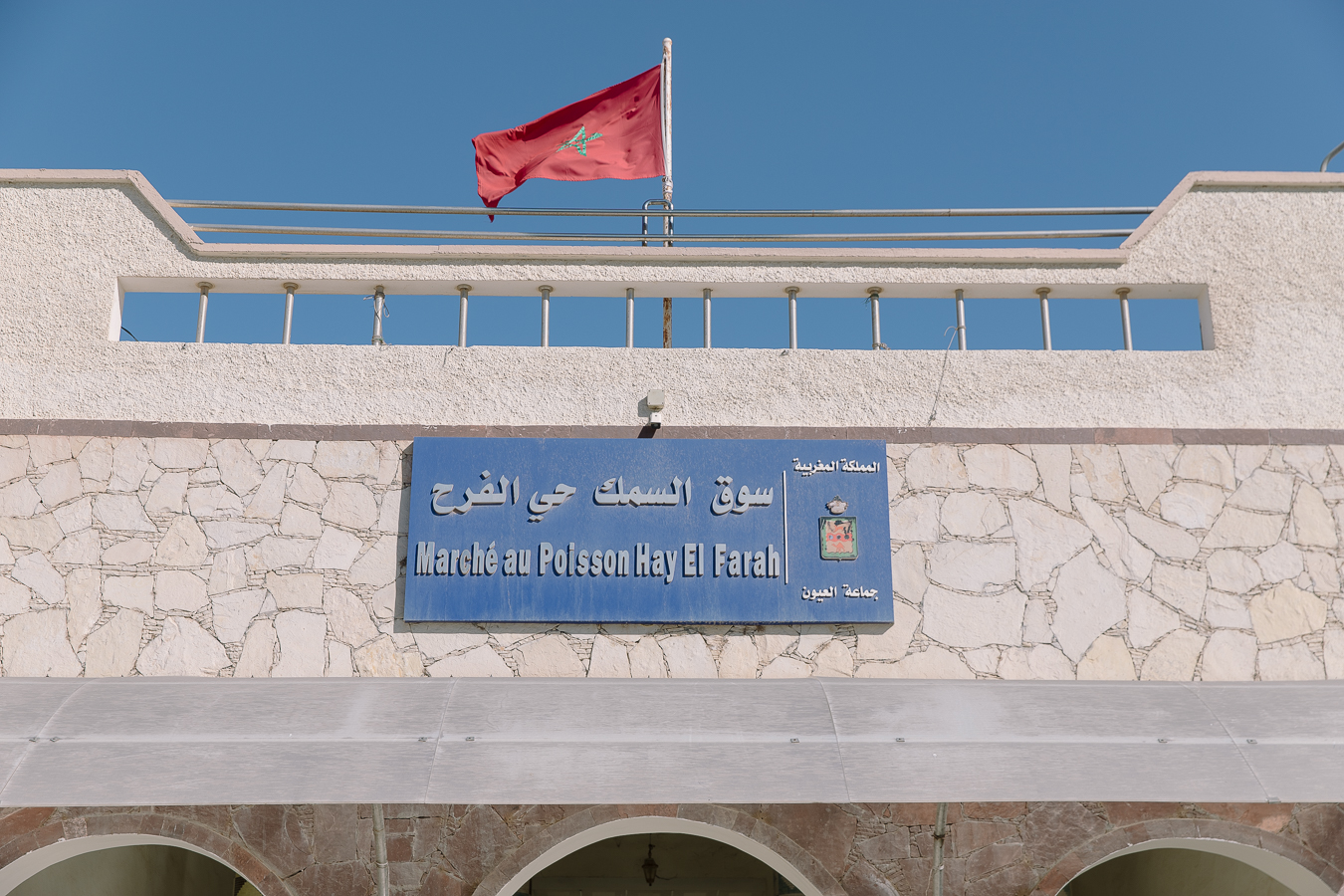
El mayor sistema de certificación mundial para “alimentos animales seguros y sostenibles” no verifica si las empresas certificadas de piensos para peces se abastecen de pesquerías ilegales en el Sáhara Occidental ocupado, donde la pesca viola el derecho a la autodeterminación del pueblo saharaui.
El esquema de certificación pone fin a su relación con el Grupo Azura y declara que en el futuro no otorgará certificaciones a empresas en el territorio ocupado.
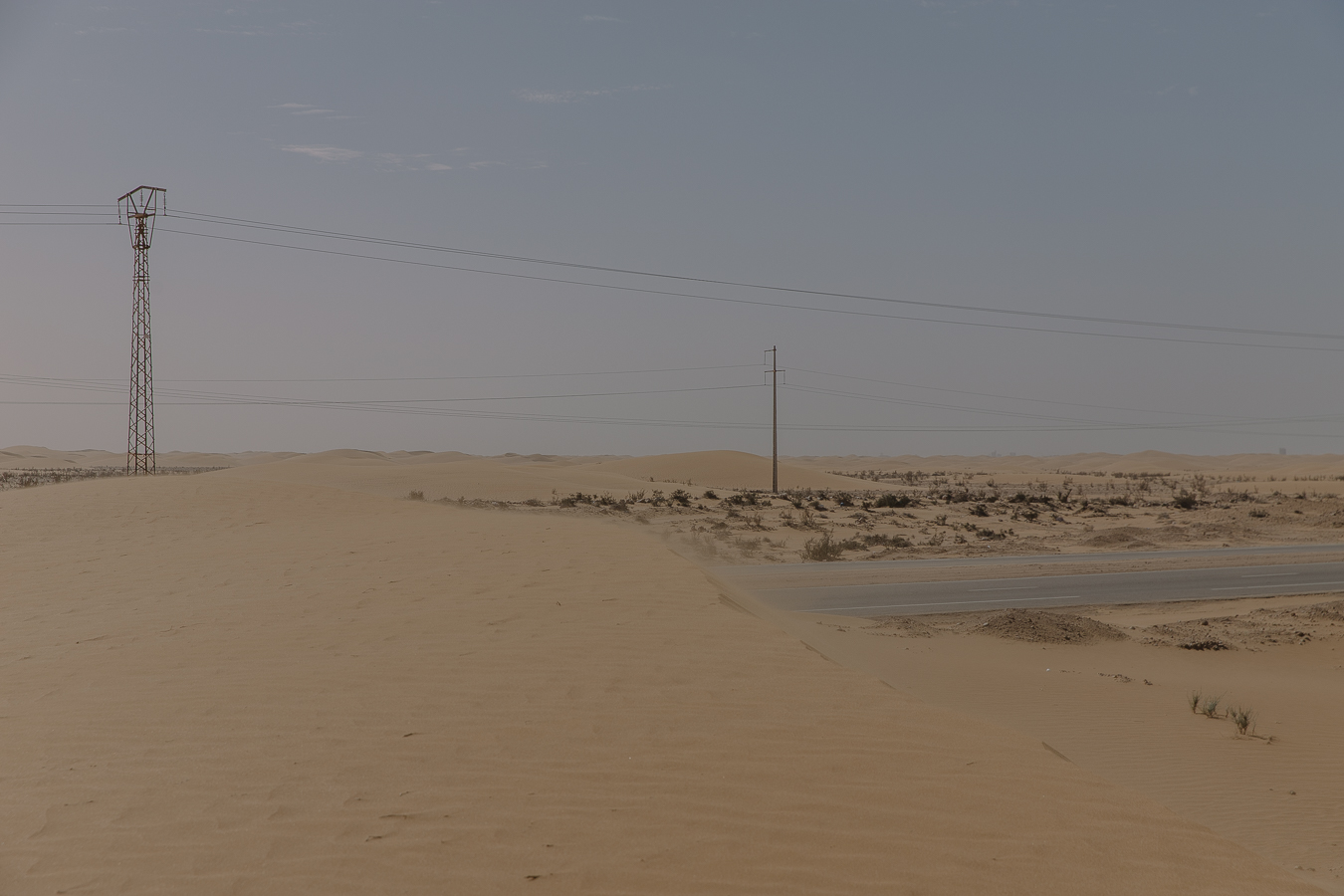
No se dejen engañar por la retórica de la energía limpia sobre esta nueva línea eléctrica de 1.000 km; se trata, en realidad, de la anexión de un territorio ocupado a través de una infraestructura.
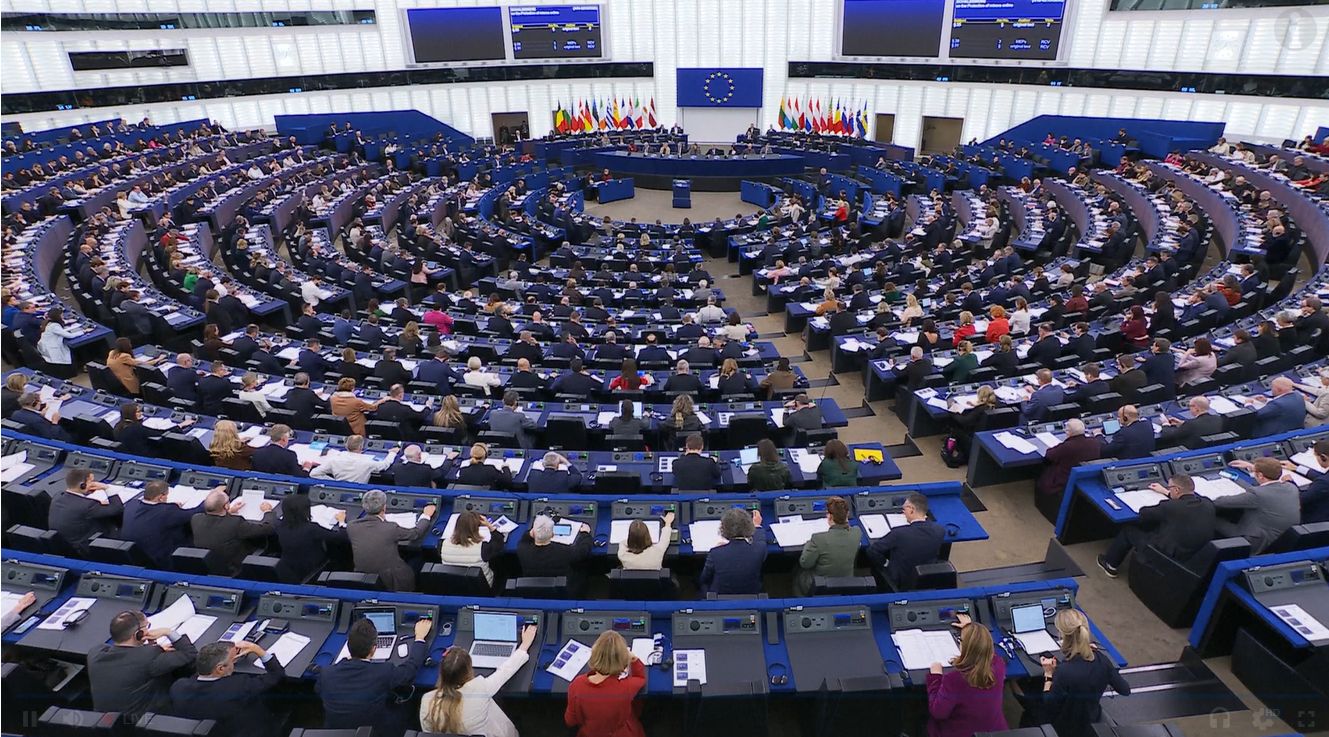
187 parlamentarios votaron por ignorar el fallo del TJUE, los intereses de los agricultores de la UE, los derechos de los consumidores de la UE y las aspiraciones del pueblo saharaui. Aquí está sus nombres.

Los legisladores de la UE tuvieron hoy una oportunidad de oro para defender a los consumidores europeos. Con el respaldo de una sólida mayoría, el Parlamento estuvo a punto de anular la decisión de la Comisión.
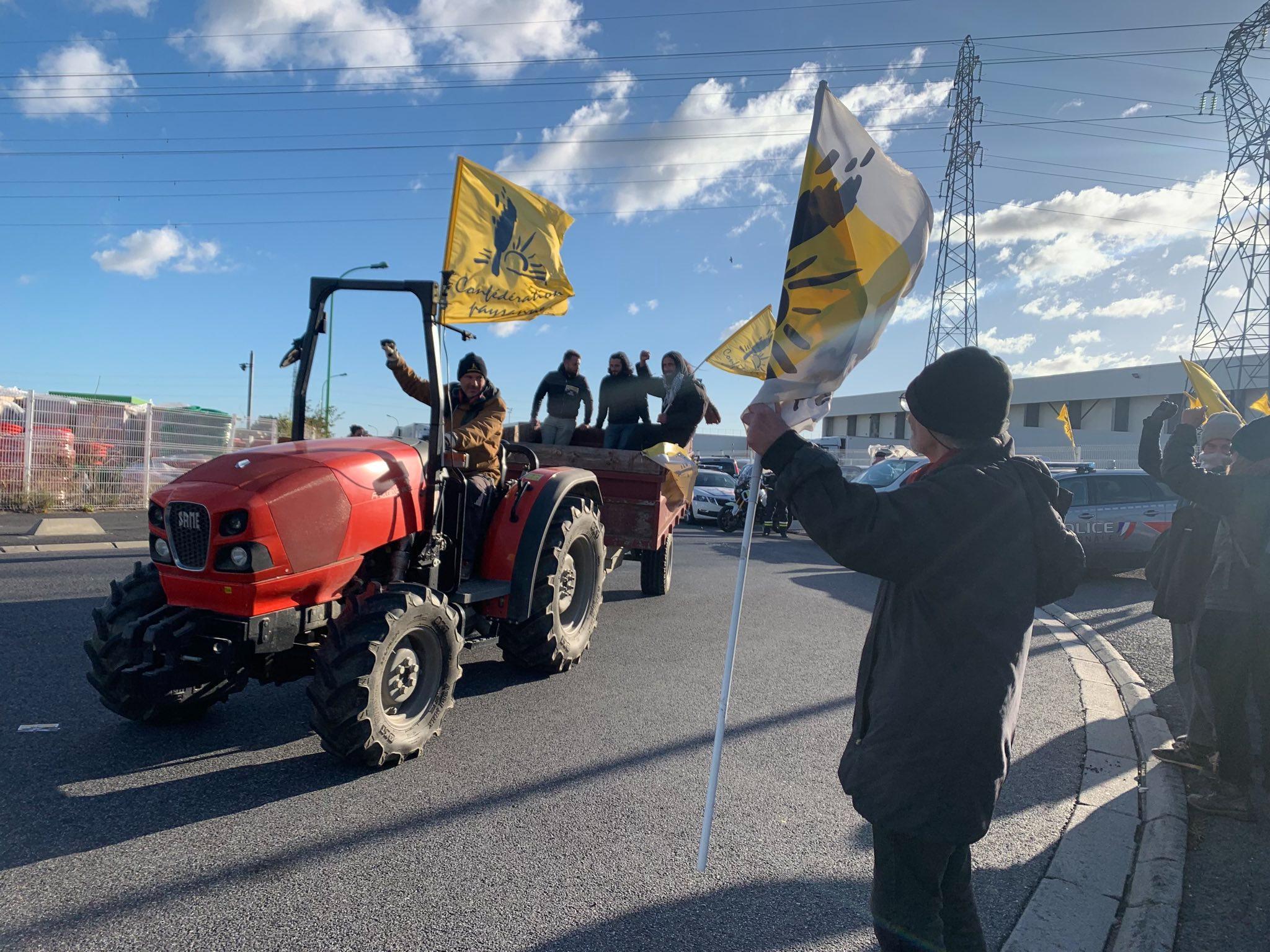
La presión sobre el acuerdo comercial entre la UE y Marruecos aumenta hoy, ya que agricultores franceses han iniciado acciones legales y asaltado el punto de entrada de Azura en Perpiñán para los productos del Sáhara Occidental.
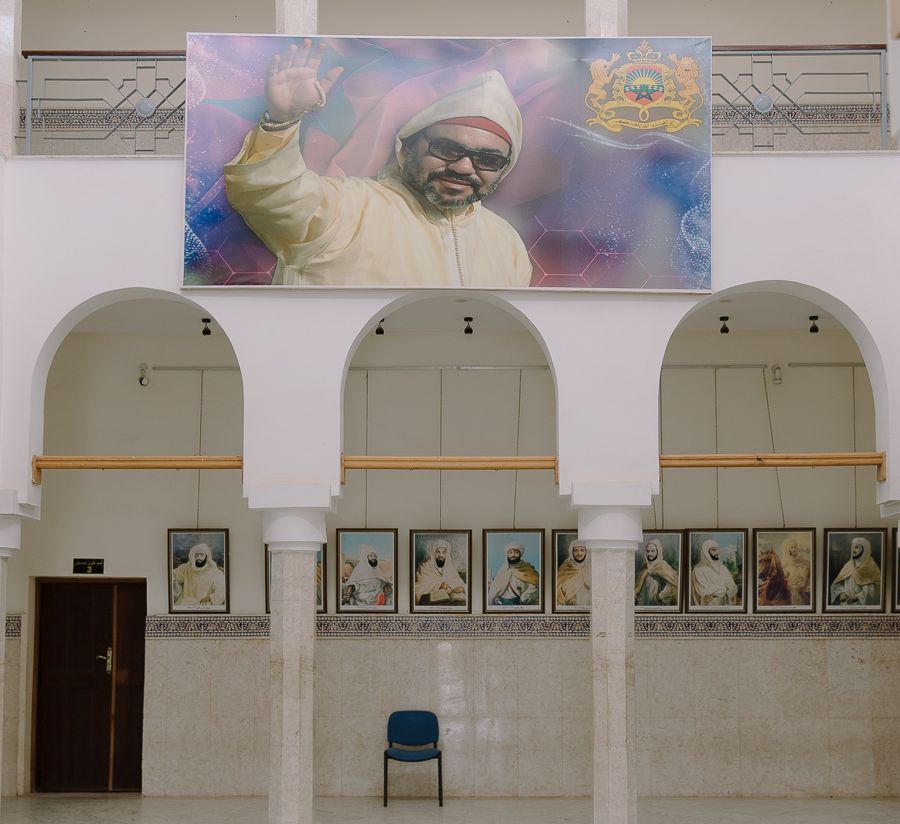
El Grupo Azura, de propiedad francesa, productor de productos agrícolas y acuícolas en el Sáhara Occidental ocupado, ha decidido adoptar una postura indudablemente política: elogiar abiertamente la "causa nacional" y la "integridad territorial" de Marruecos.
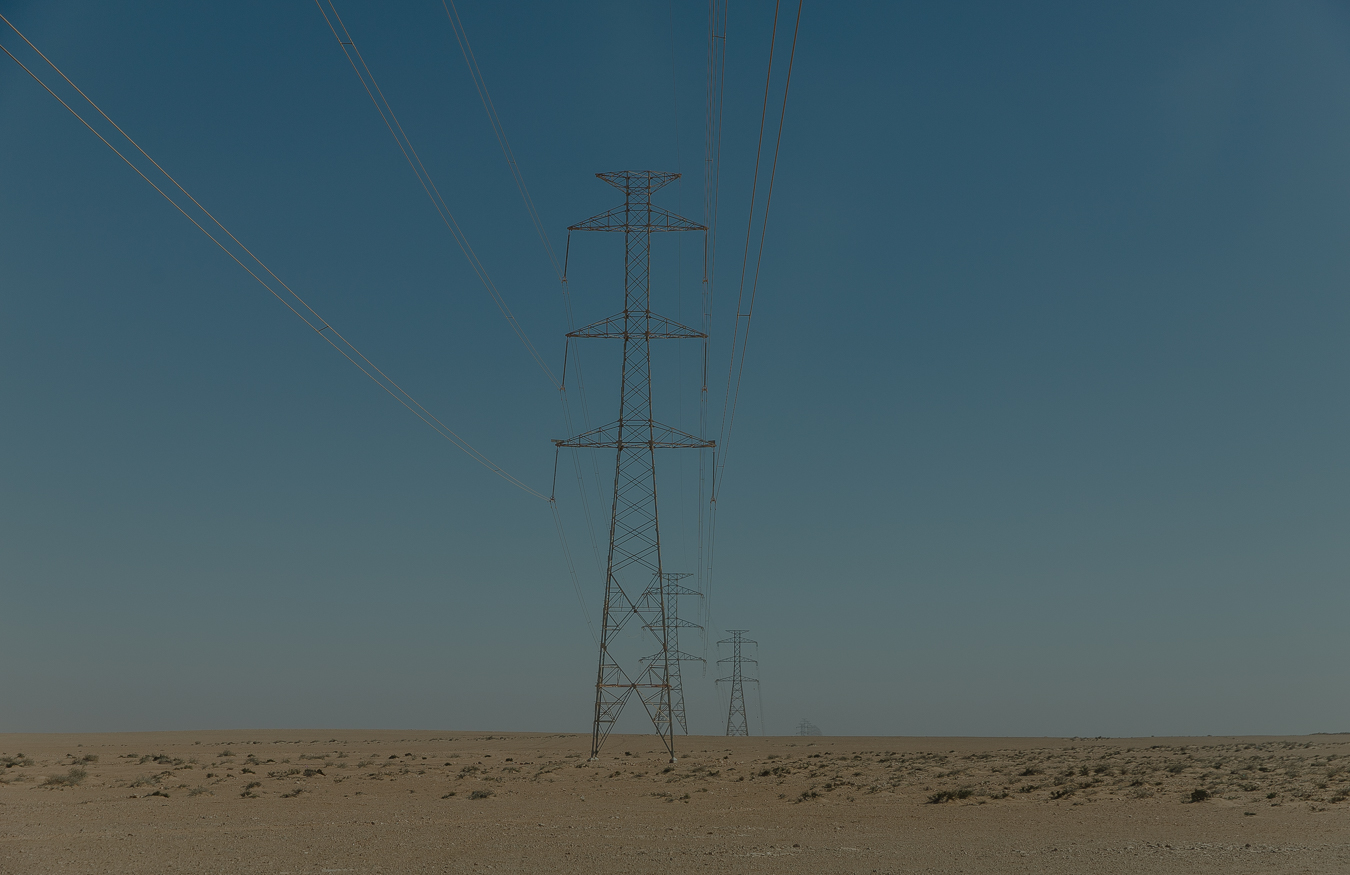
La empresa sueca S2H2+Bm Concept AB se ha negado hasta ahora a aclarar si su planta de hidrógeno verde prevista se ubicará en Marruecos propiamente dicho o en el Sáhara Occidental ocupado.
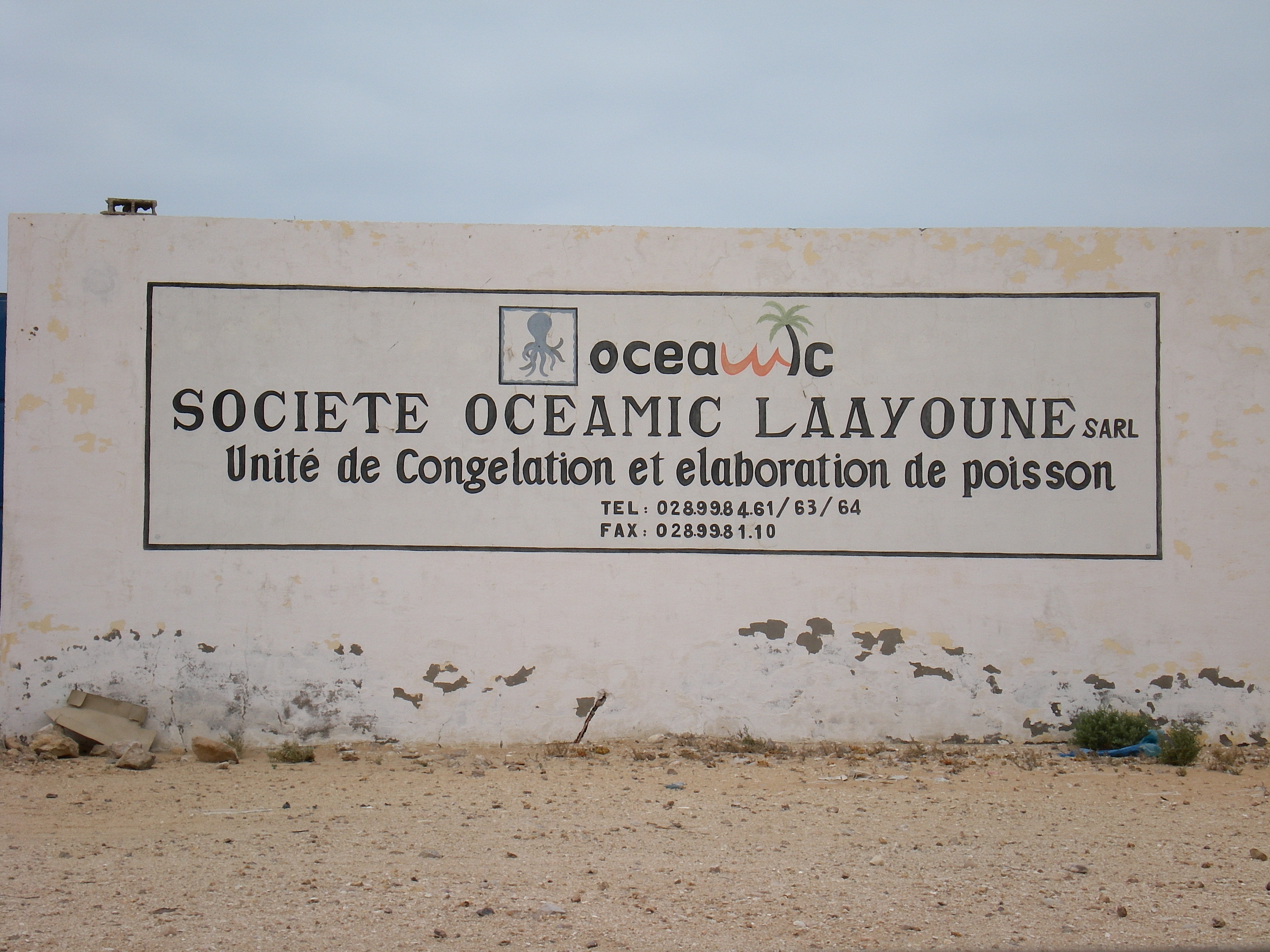
A pesar de repetidas solicitudes, la organización no aclara por qué su certificado de seguridad alimentaria ignora los límites legales.
Una misión organizada por el gobierno llevará a empresas canarias al Sáhara Occidental ocupado a finales de este mes.