
A Luxembourg government fund has excluded six companies from its portfolios due to "association to illegal exploitation of natural resources (Western Sahara)".
On 15 November 2014, the Fonds de Compensation commun au régime général de pension (FDC), published the list of 61 companies that it has decided to blacklist. No less than six of those companies have been rejected because they purchase phosphate from Moroccan occupied Western Sahara.
FDC has divested from Canada's Agrium Inc and Potash Corp Sasketchewan, Australian firms Wesfarmers and Incitec Pivot Ltd and USA firms Innophos Holdings and FMC Corporation, citing their "association to illegal exploitation of natural resources in Western Sahara".
All six companies had been listed by WSRW in its June 2014 "P for Plunder" report, which gives a complete overview of all clients, volumes, values and shipments of illegally excavated phosphate rock from occupied Western Sahara for the years 2012-2013.
The file from FDC can also be downloaded here.

Gdeim Izik prisoners resume hunger strike
Saharawi political prisoners have resumed a hunger strike in Moroccan prisons, demanding their release, improved detention conditions and the implementation of UN decisions.
SRI update
The following overview enlists stock-exchange registered companies with current or recent operations in occupied Western Sahara. Updated 28 September 2026.
Another company of the Moroccan king involved in occupied Western Sahara
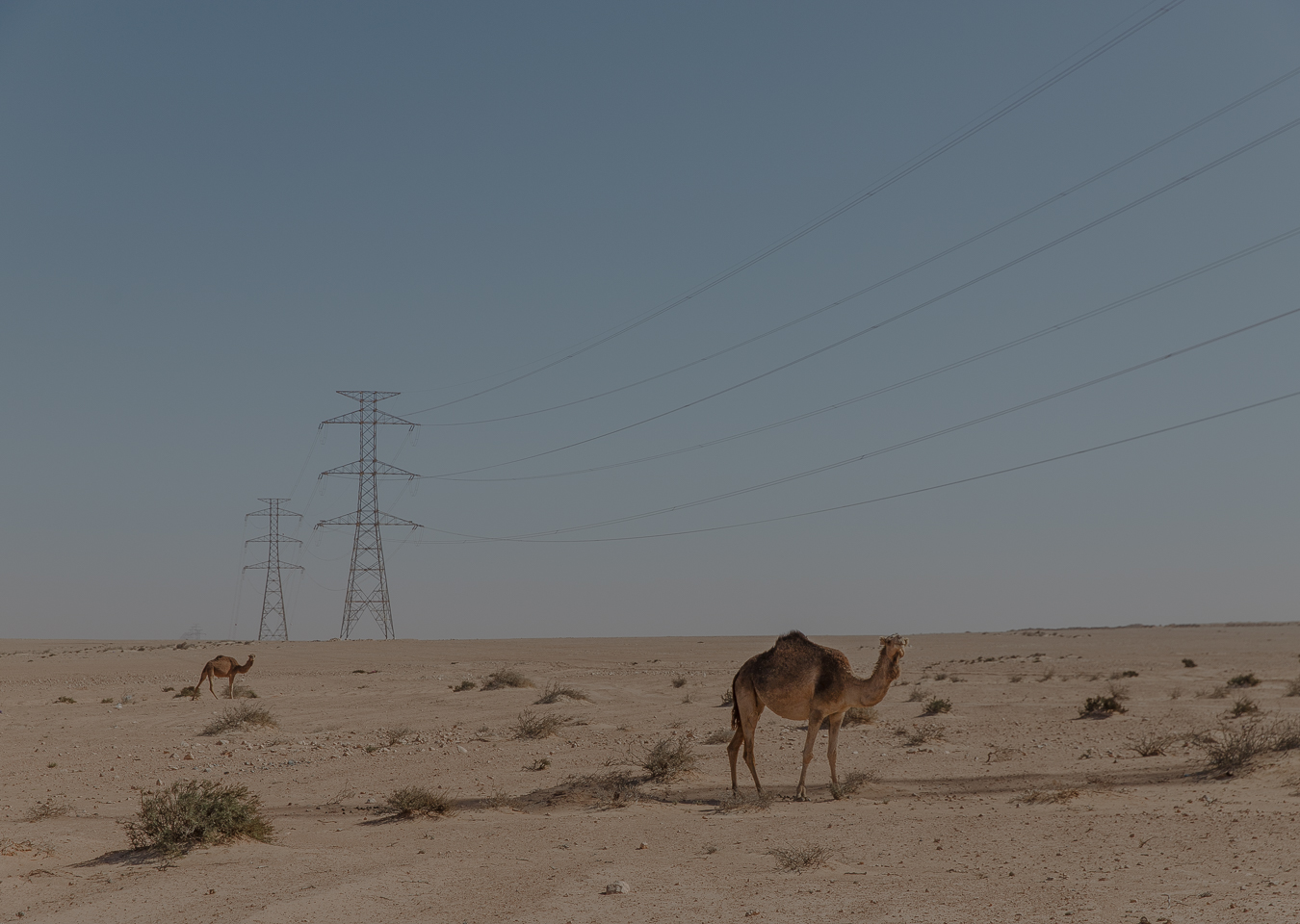
A company closely linked to Morocco’s royal business network has entered a new project in occupied Western Sahara, partnering with a Chinese state-owned electricity giant on high-voltage infrastructure in Boujdour.

Don't let resource exploitation decide Western Sahara's future
Western Sahara Resource Watch calls on the UN to address the accelerating exploitation of the territory’s natural resources - and prevent it from becoming an even greater obstacle to self-determination.