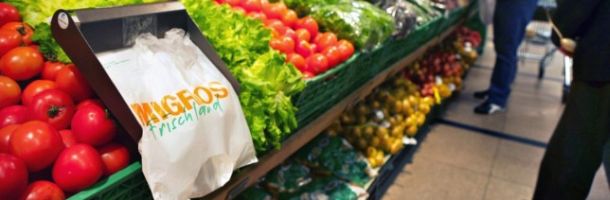
One of Switzerland’s largest supermarket chains has stated it will replace the ‘Morocco’ labels with ‘Western Sahara’ on melons that are imported from the occupied territory.
Swiss grocery chain Migros will implement the Western Sahara labels from 2014 onwards, a spokesperson of the grocery chain stated in the Swiss edition of the German newspaper Die Zeit. Die Zeit last week featured an article on the controversial origins of some of the fruits and vegetables that end up in Swiss supermarkets: the parts of Western Sahara that have been occupied by Morocco since 1975.
According to Die Zeit, Migros imports produce from the French-Moroccan conglomerate Idyl. The company own plantations and greenhouses in Morocco proper, but also near the town of Dakhla, in the south of occupied Western Sahara. Fruits and vegetables grown in the area are transported to Agadir, in Morocco, where they are packaged before being shipped to shops around the world.
Confronted with evidence that part of their imports come in fact from occupied territory of Western Sahara, Migros announced they’d re-label the melons that are cultivated in Dakhla. From 2014, the supermarket will mark the melons as originating from Western Sahara and not from Morocco as the packages say now.
Just last year, Migros took a similar decision to mark vegetables grown by Israeli companies on occupied Palestinian land as being from Palestine.
According to the Swiss State Secretariat for Economic Affairs, Switzerland imported 30 million Swiss Francs of fruits and vegetables from Morocco in 2012. The lion's share of these imports is tomatoes.
Last year, Western Sahara Resource Watch published a report “Label and Liability”, documenting how produce from contested agro-industry on occupied land ends up on the shelves of EU supermarkets.
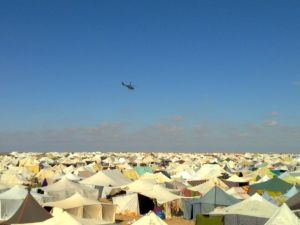
Gdeim Izik prisoners resume hunger strike
Saharawi political prisoners have resumed a hunger strike in Moroccan prisons, demanding their release, improved detention conditions and the implementation of UN decisions.
SRI update
The following overview enlists stock-exchange registered companies with current or recent operations in occupied Western Sahara. Updated 28 September 2026.
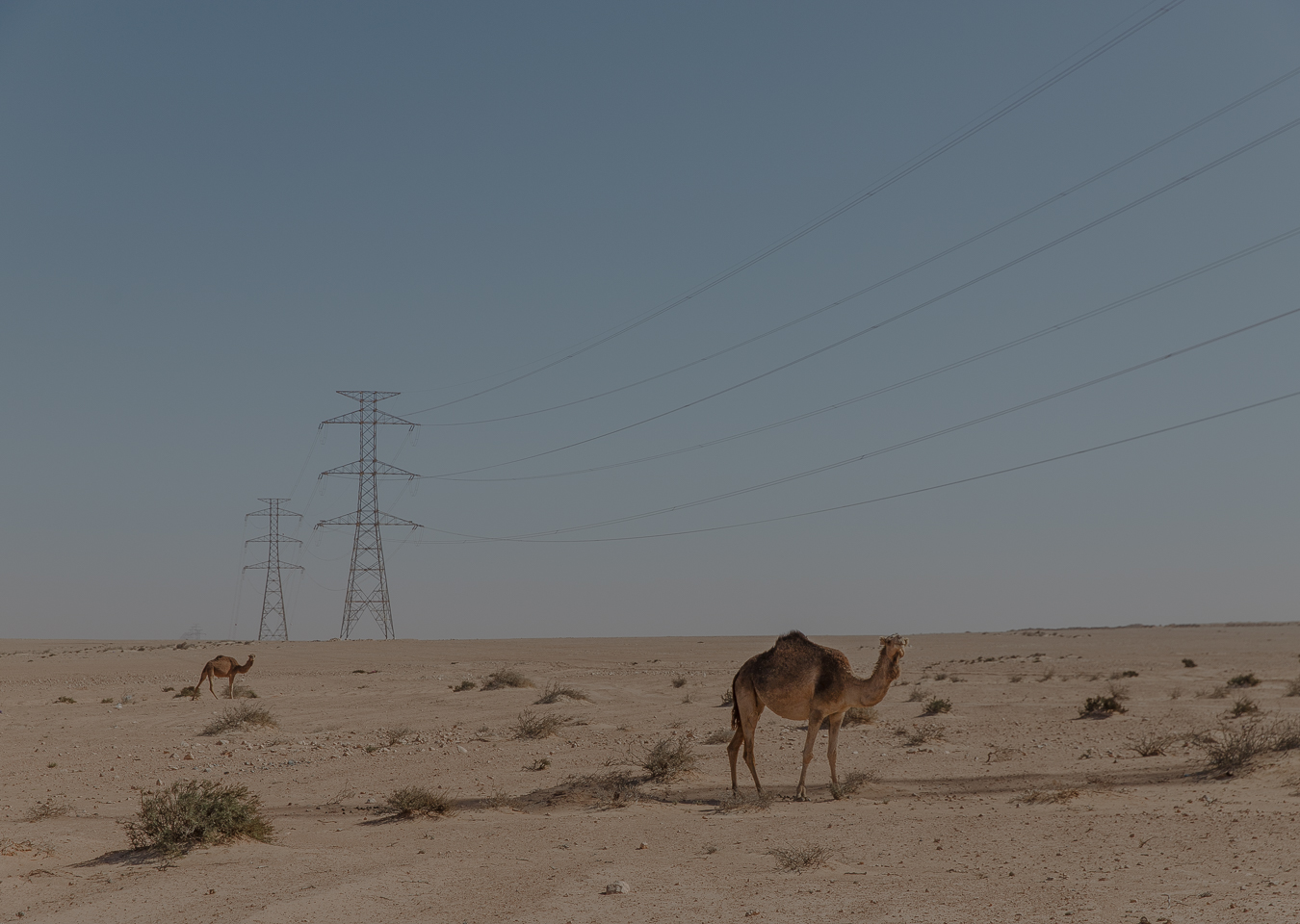
Another company of the Moroccan king involved in occupied Western Sahara
A company closely linked to Morocco’s royal business network has entered a new project in occupied Western Sahara, partnering with a Chinese state-owned electricity giant on high-voltage infrastructure in Boujdour.
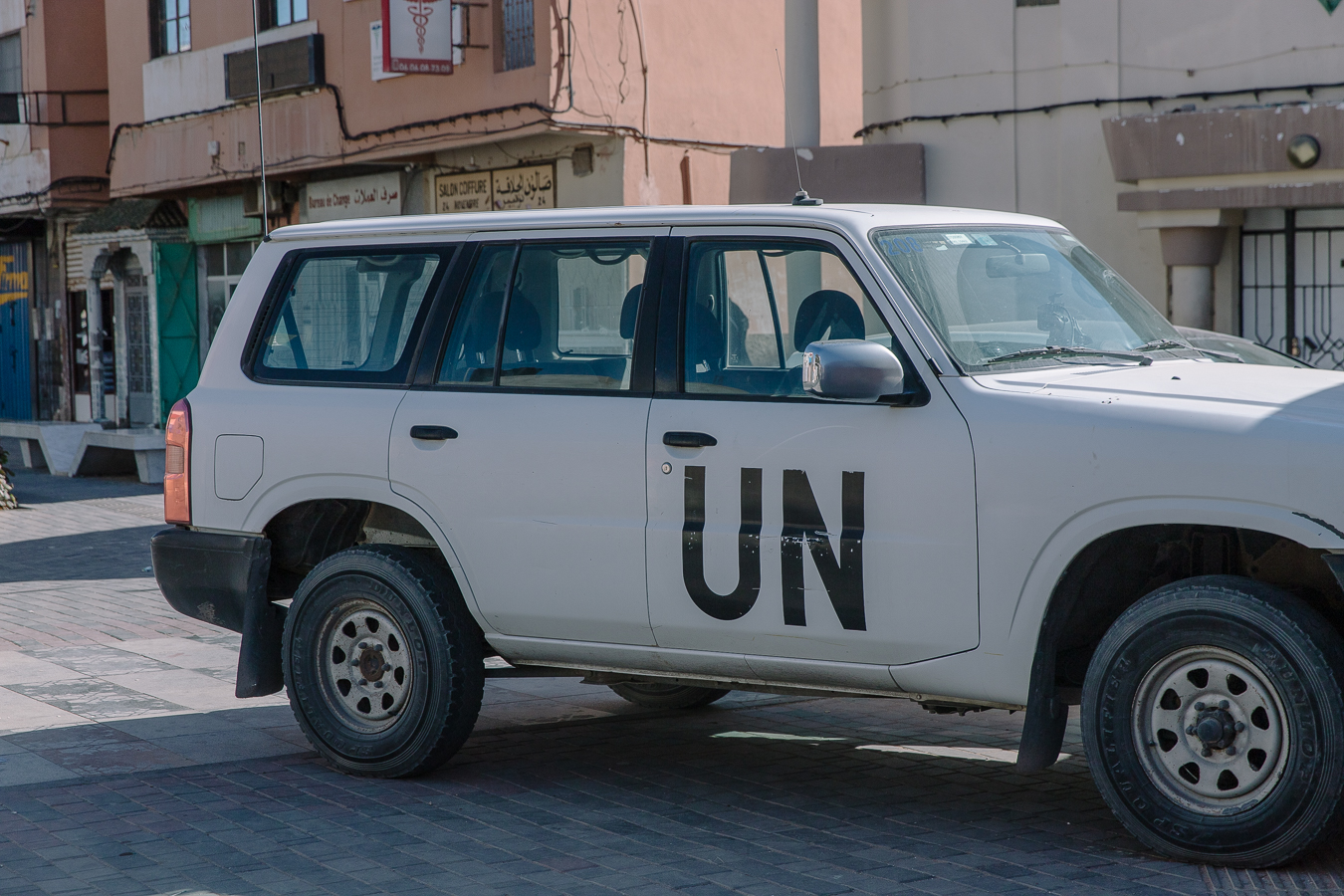
Don't let resource exploitation decide Western Sahara's future
Western Sahara Resource Watch calls on the UN to address the accelerating exploitation of the territory’s natural resources - and prevent it from becoming an even greater obstacle to self-determination.