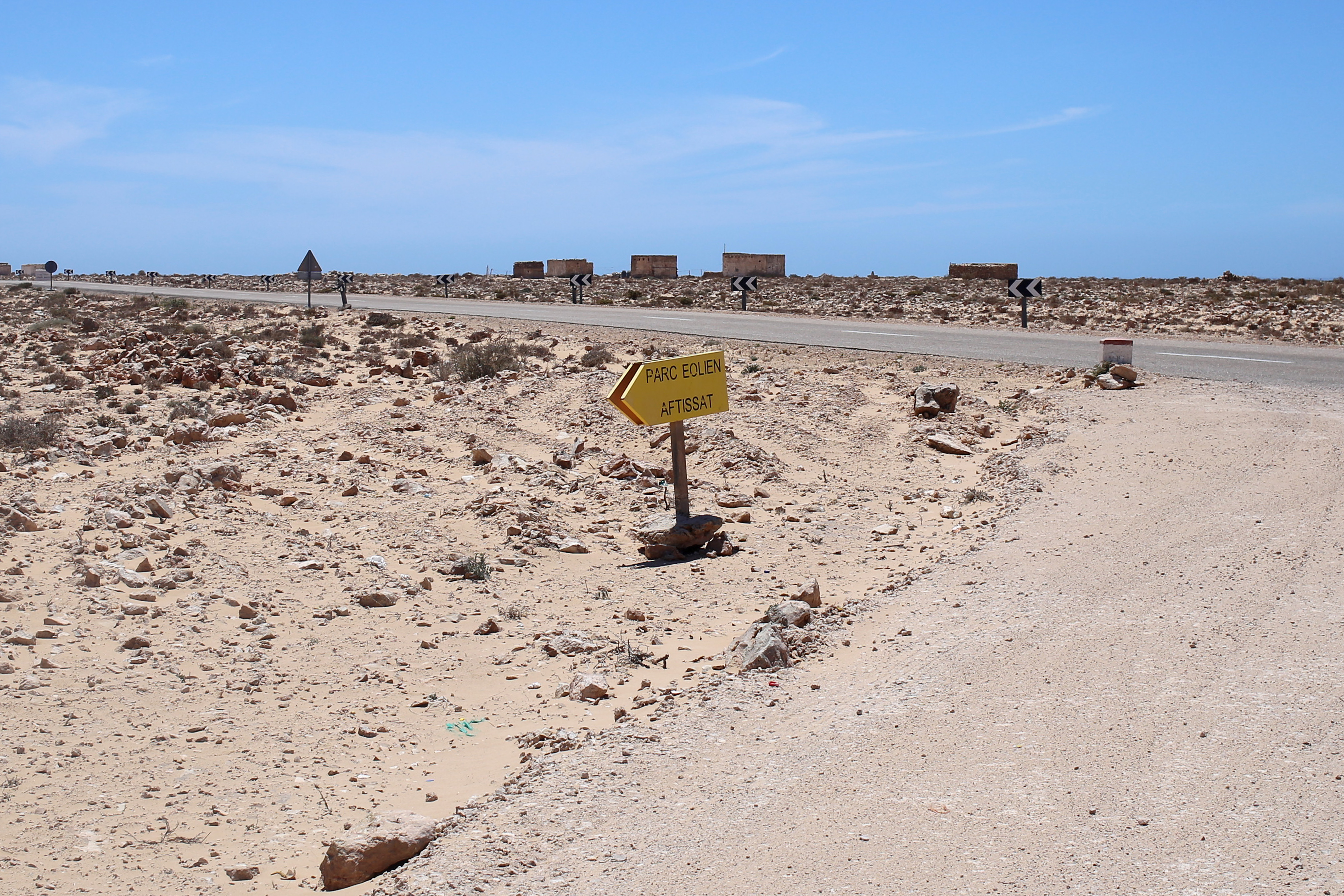
The Moroccan king’s energy company appears to have completed two new phases of the Aftissat wind power complex in occupied Western Sahara.

How can it be wrong to develop renewable energy, in a world that is in desperate need for a green transition? In Western Sahara, the problems are numerous.
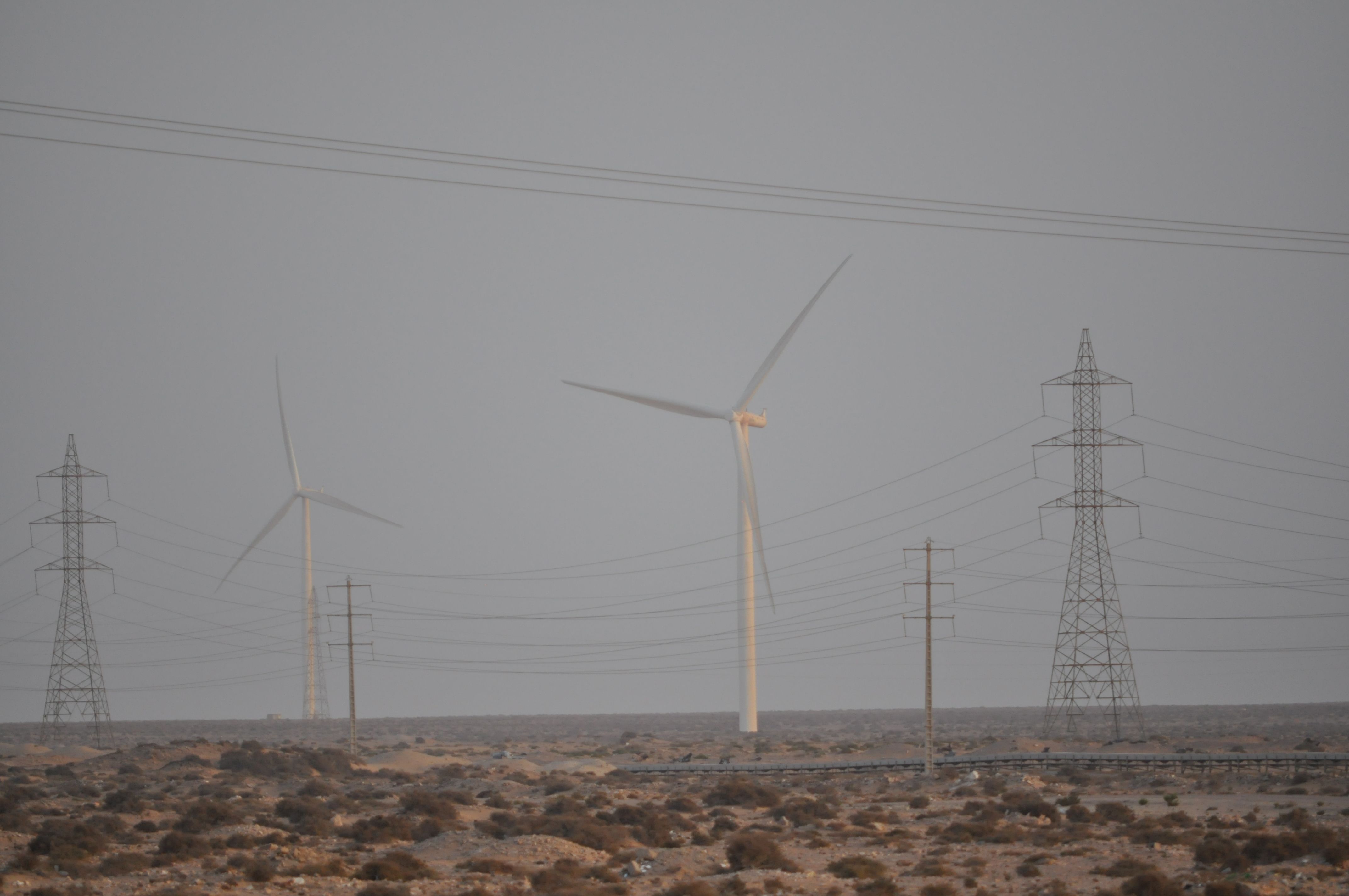
The Trump administration has become the first US government to finance a private-sector project in occupied Western Sahara, awarding support to the controversial ORNX green ammonia venture.
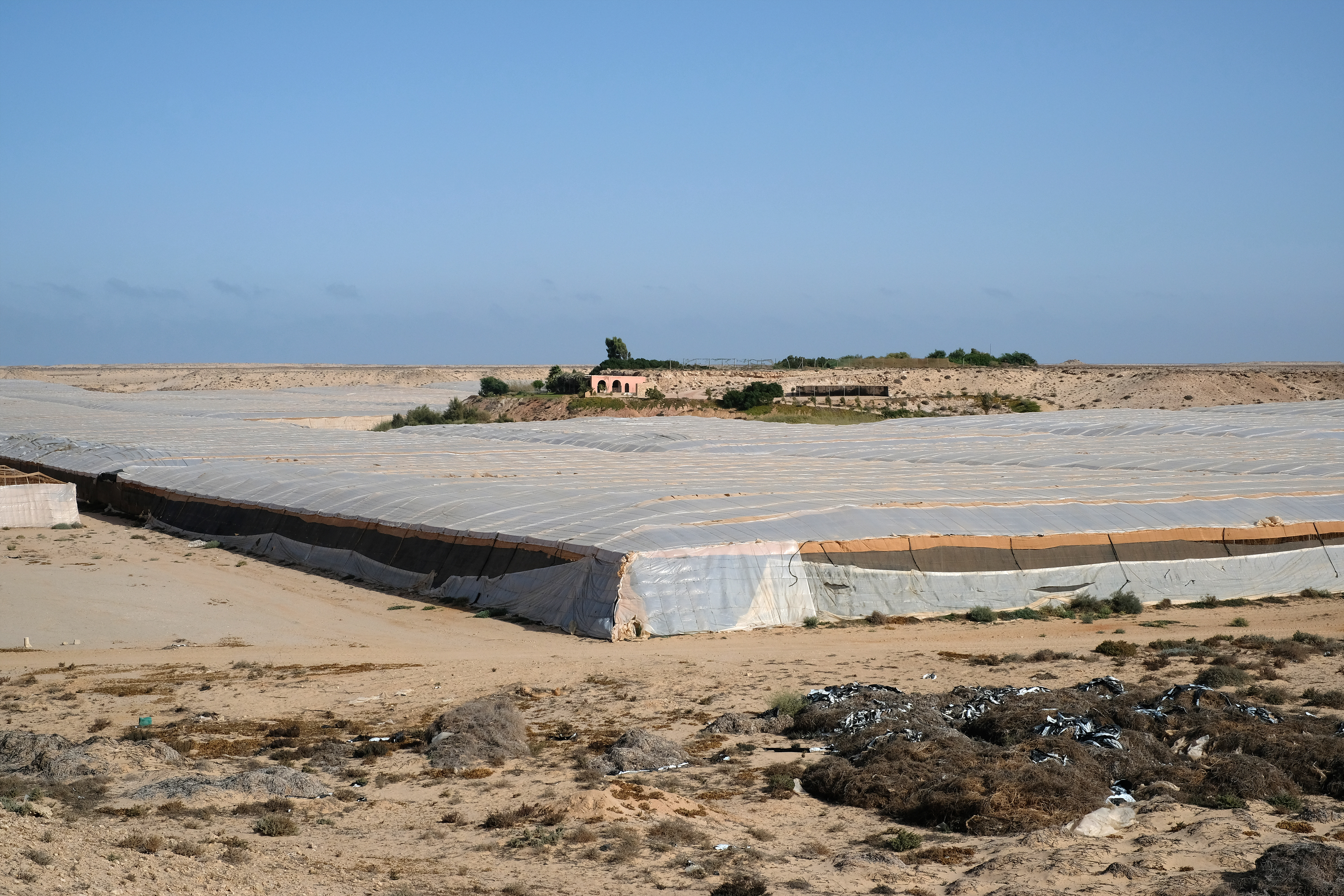
Morocco has launched another tender to allocate more than 1,000 hectares of agricultural land in occupied Western Sahara, made cultivable through the French company Engie. The expansion comes as the EU considers increasing the unlawful trade with the territory.
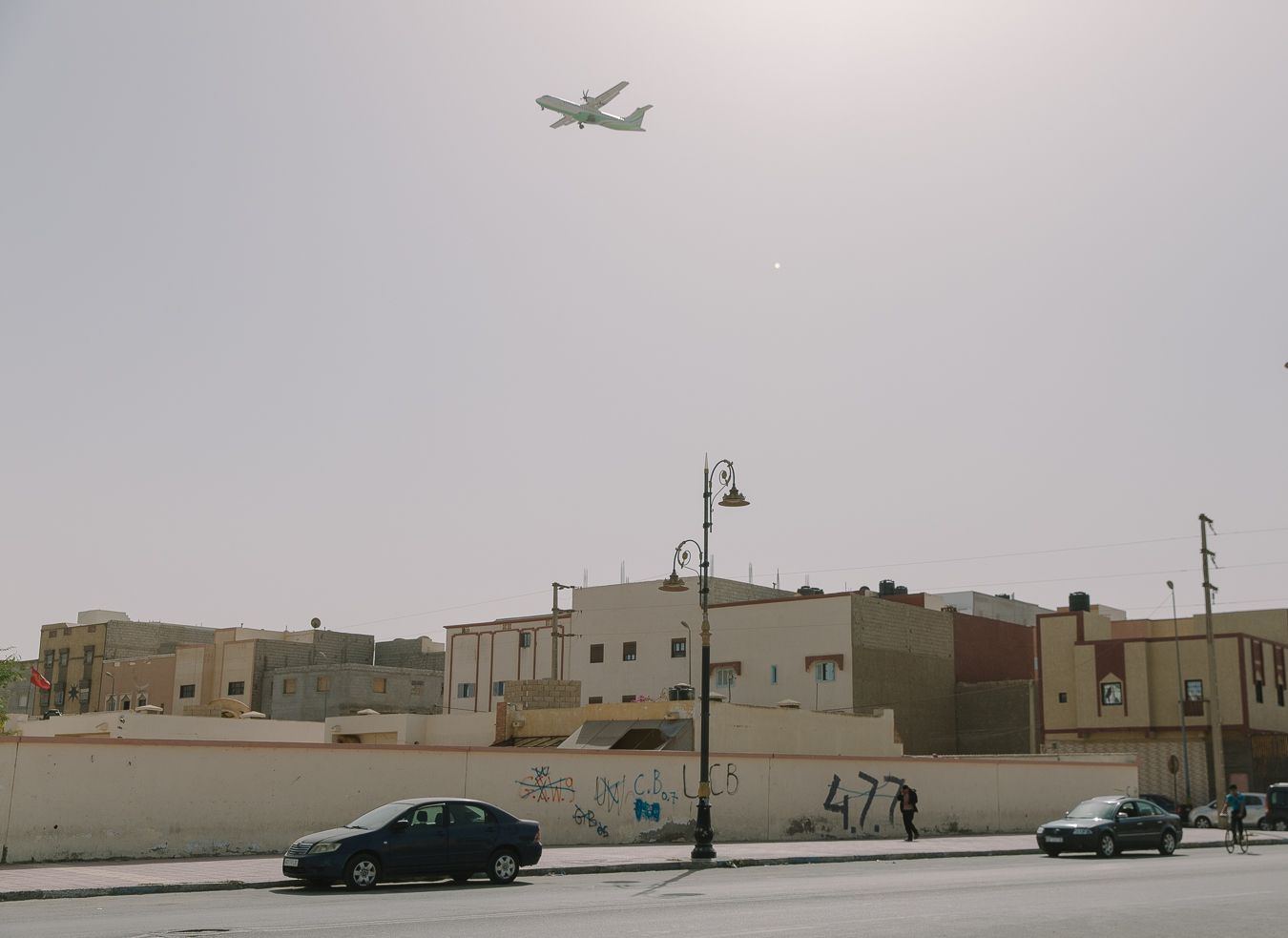
The law is settled, but the practice is not. The recently adapted aviation deal excludes Western Sahara - yet the European Commission still tolerates EU airlines operating there regardless.
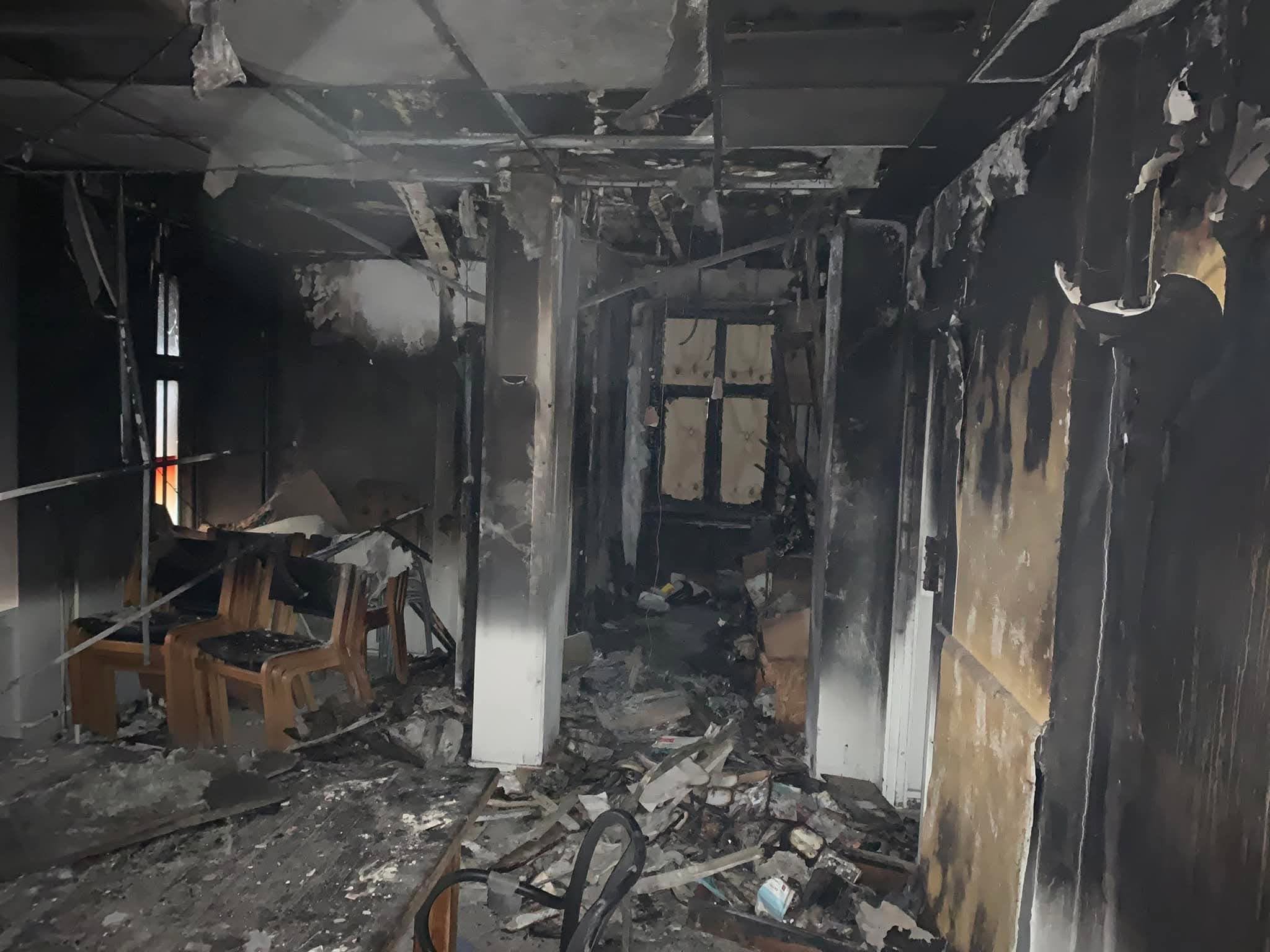
A trial has begun in Copenhagen against four men accused of carrying out the January 2025 arson attack on the offices of WSRW partner Global Aktion.
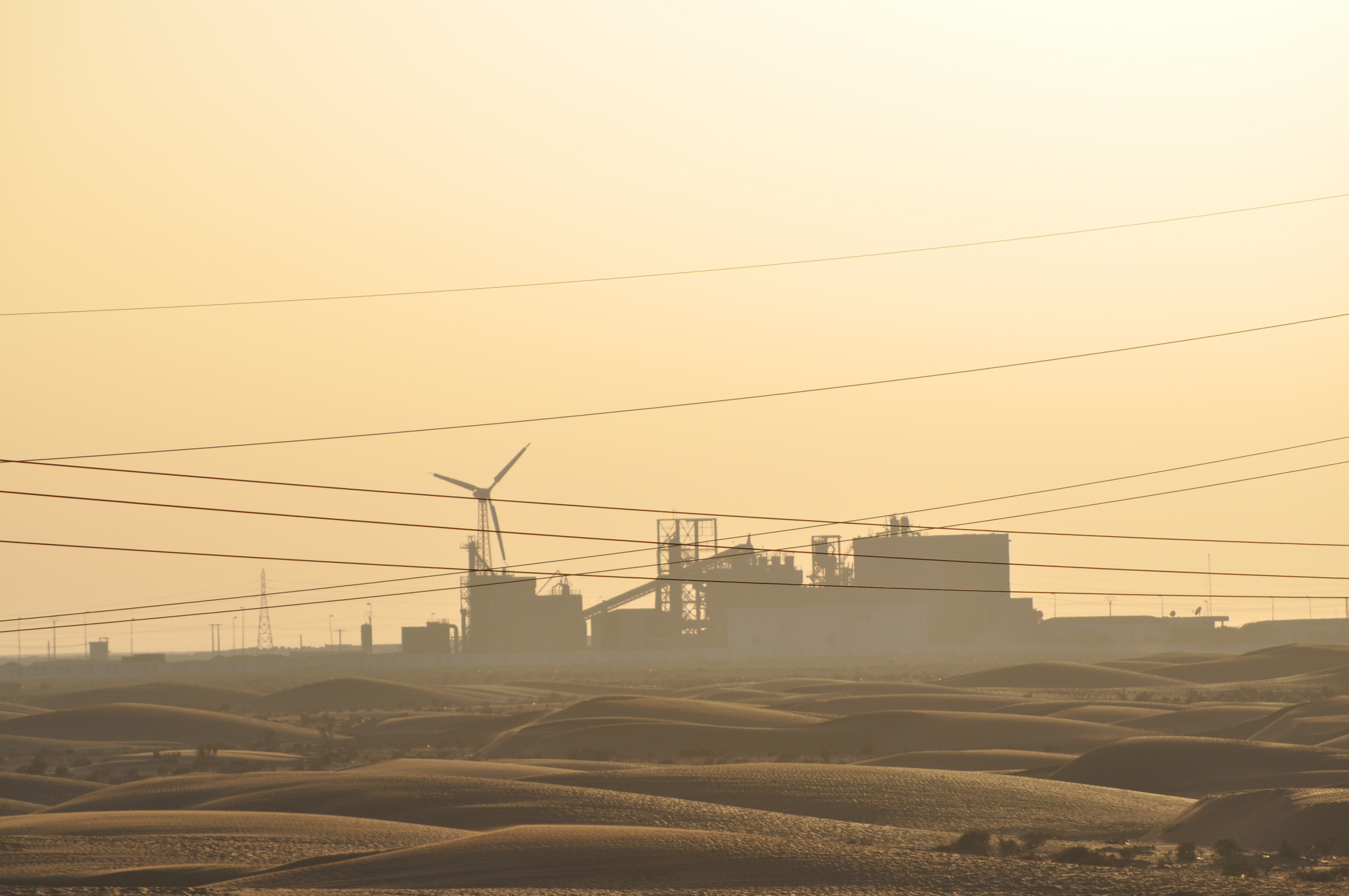
The German company confirms once again that its operations in occupied Western Sahara are closely tied to Morocco’s infrastructure expansion in the territory - while continuing to dismiss the Saharawi people’s right to consent.
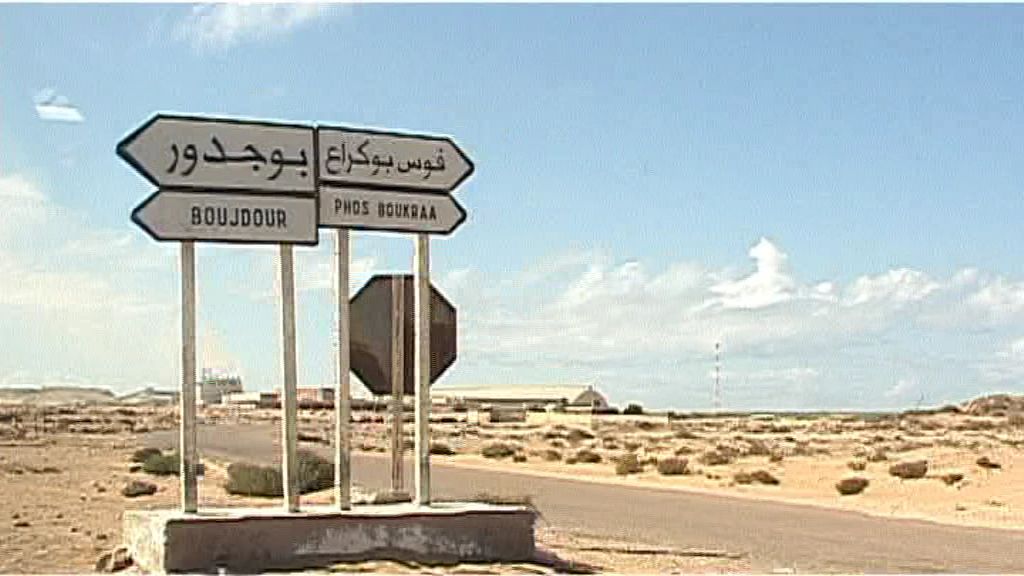
Only three companies imported phosphate rock from occupied Western Sahara in 2025 - the lowest number ever recorded. The findings appear in our annual P for Plunder report, released today.

For over 40 years, a Moroccan state-owned company has exported phosphate rock from occupied Western Sahara.

The fish stocks of occupied Western Sahara have not only attracted the interest of the Moroccan fleet: other foreign interests are also fishing in the occupied waters through arrangements with Moroccan counterparts. Along the Western Saharan coastline, a processing industry has emerged.

Keeping track of the many legal proceedings relating to Western Sahara is not easy. This page offers an overview of the cases concerning the territory that have been before the Court of Justice of the European Union (CJEU).
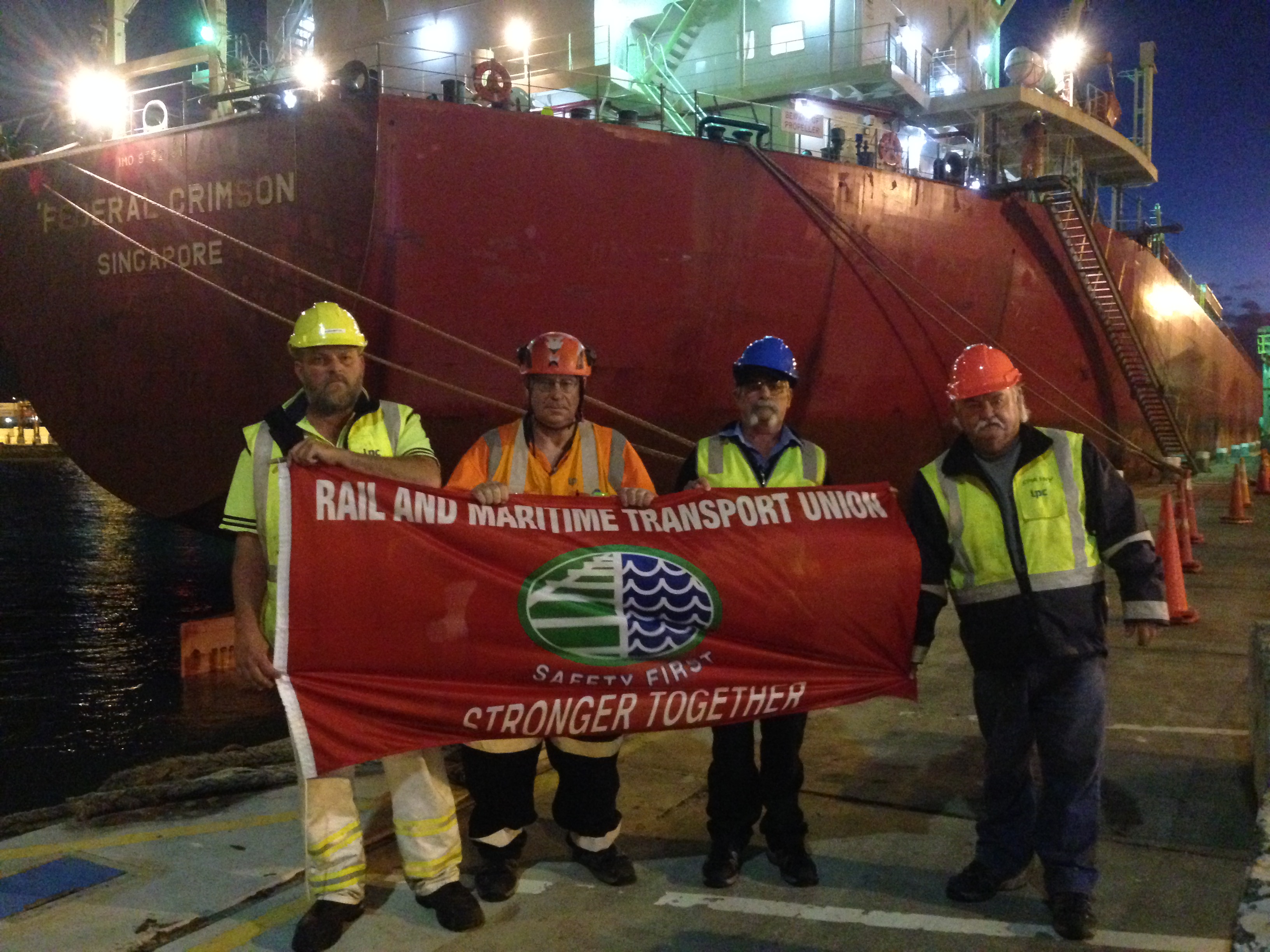
A consultancy hired to assess phosphate imports from occupied Western Sahara into New Zealand concludes there is no problem.
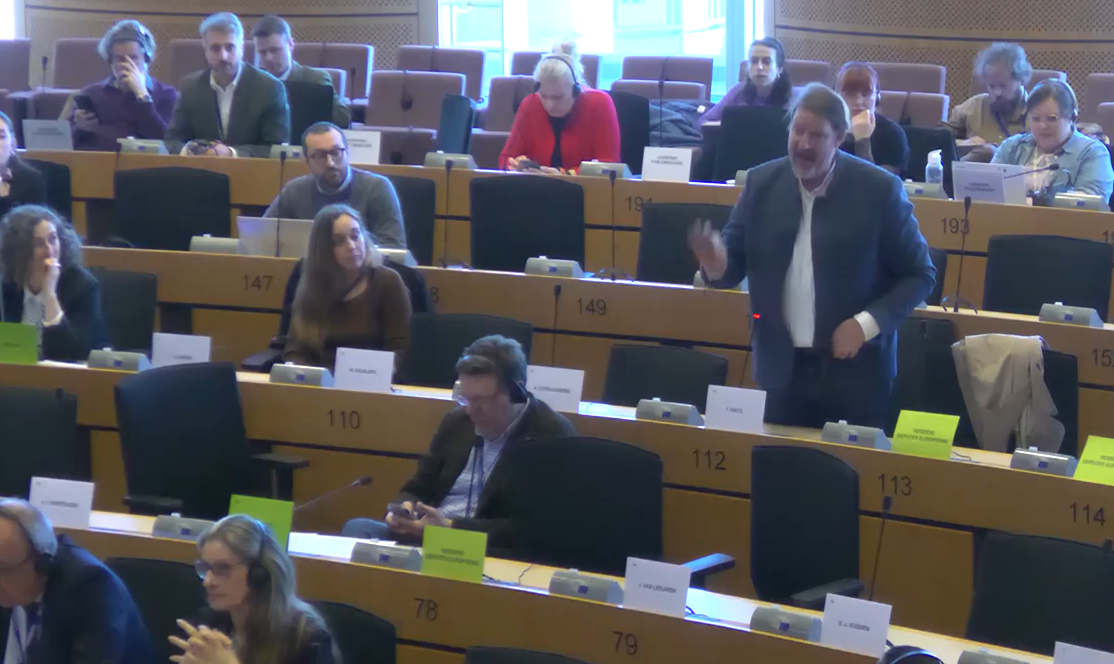
MEPs from across the political spectrum sharply criticised the European Commission over its handling of EU-Morocco trade relations covering occupied Western Sahara, raising concerns over legality, transparency and an apparent disregard for Parliament’s role.
The following overview enlists stock-exchange registered companies with current or recent operations in occupied Western Sahara. Updated 6 May 2026
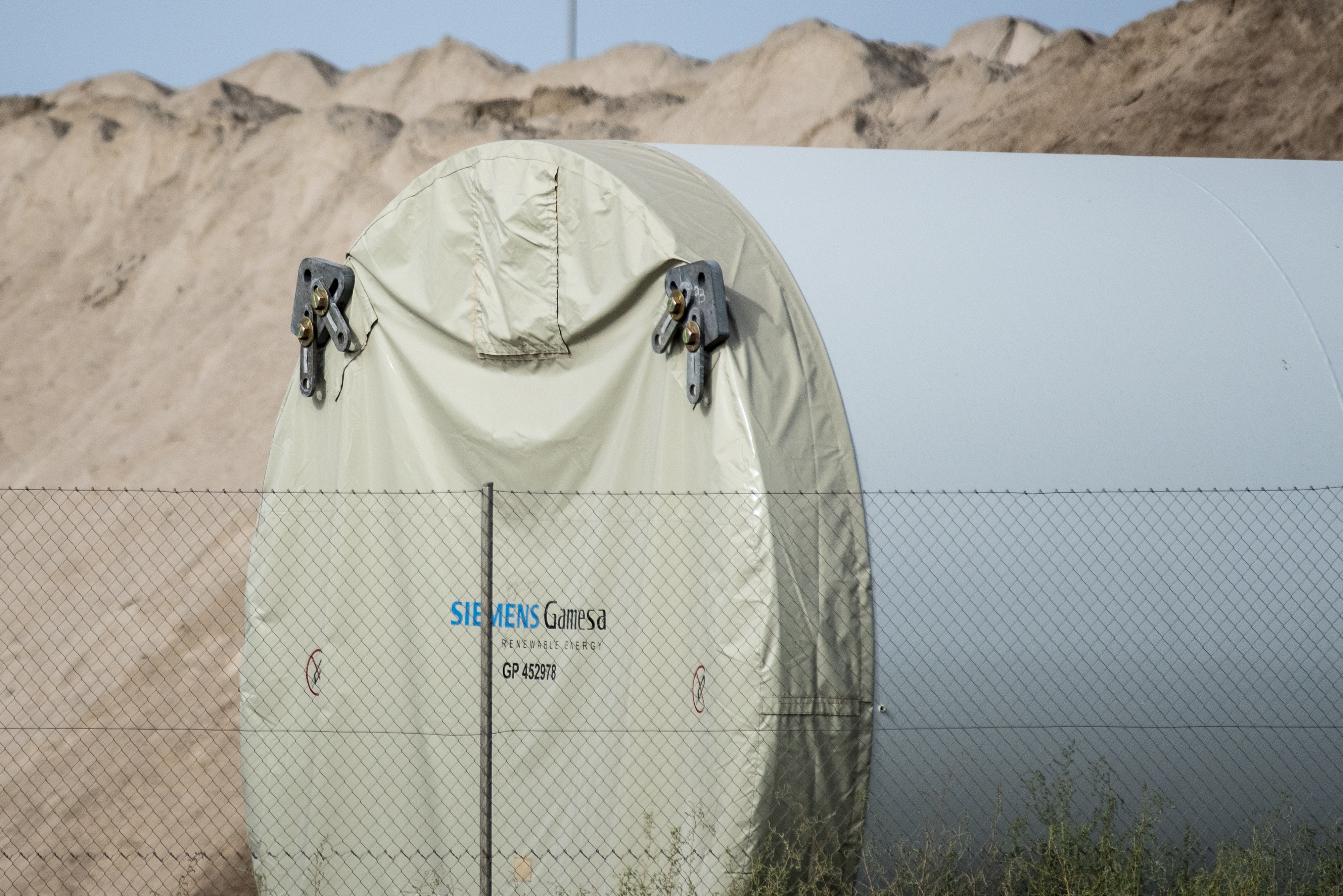
At its 2026 Annual General Meeting, Siemens Energy defended its involvement in wind energy projects in occupied Western Sahara.
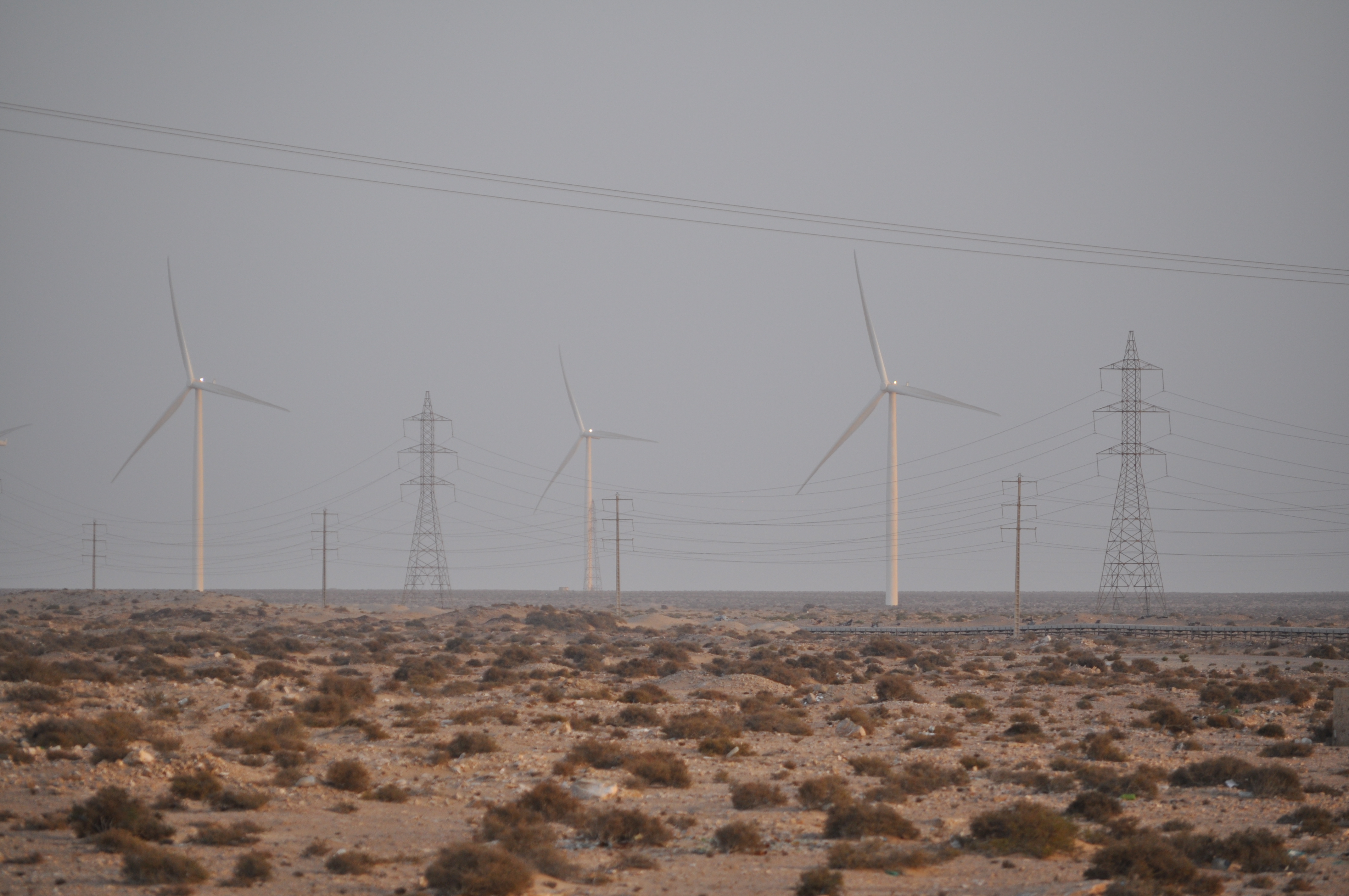
Morocco’s ambitions to become a global green hydrogen powerhouse are accelerating. Yet, Rabat is allocating land in a territory it does not legally own.
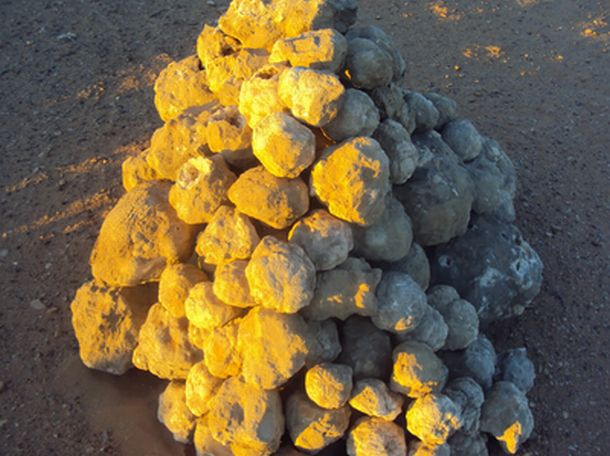
Seeking to position itself as a key supplier of strategic minerals for Western powers, Morocco has signed a new agreement with the United States that covers Western Sahara’s waters and the critical minerals harboured there.
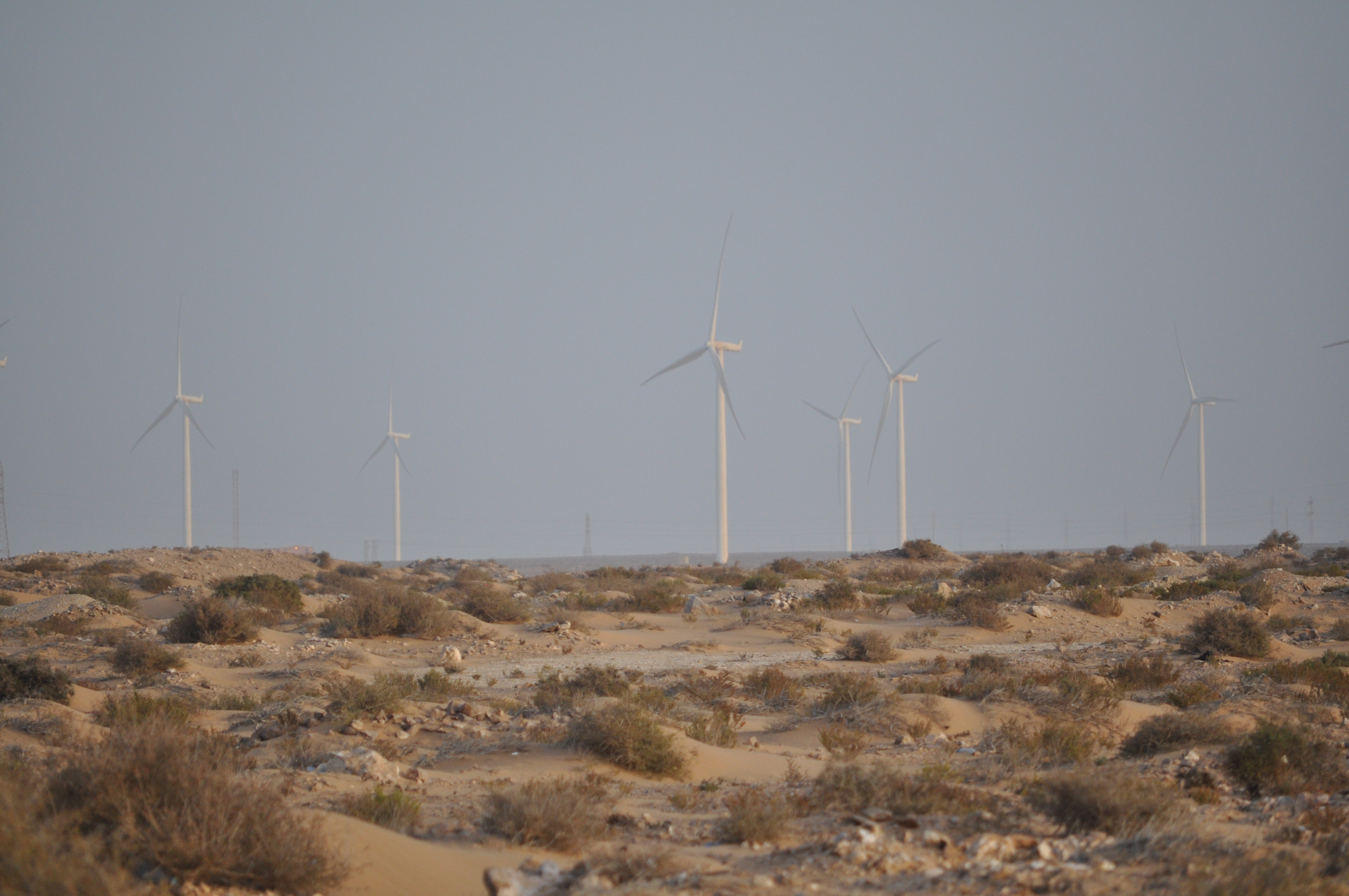
Morocco’s push for green hydrogen has taken a decisive step forward - on territory it does not legally own.
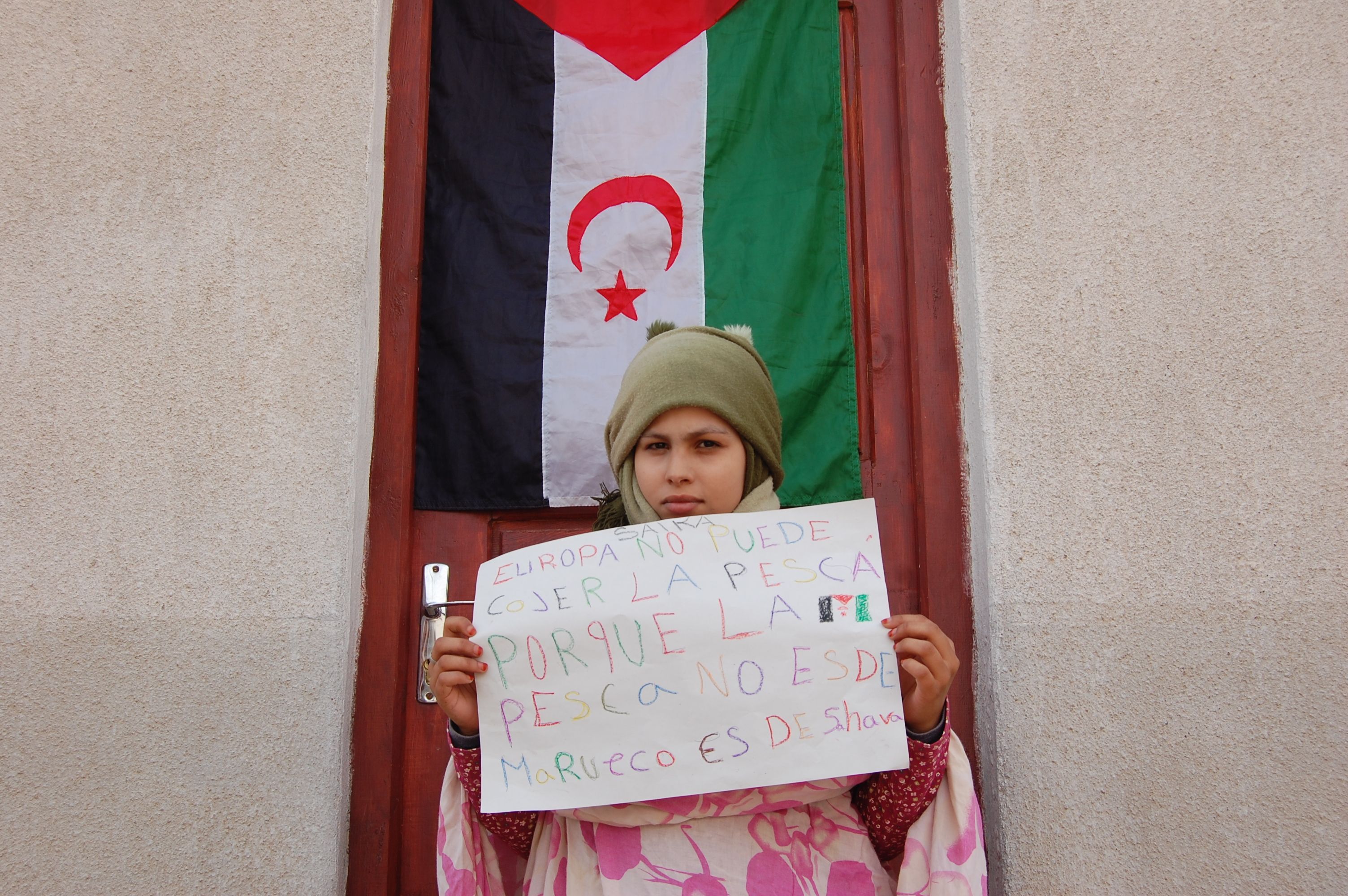
A joint statement that came out of last week’s EU-Morocco Association Council asks readers to believe in a fiction: that an undefined autonomy plan imposed by an occupying power can satisfy the right to self-determination, and that respect for international law can coexist with the systematic ignoring of the EU’s own highest court.
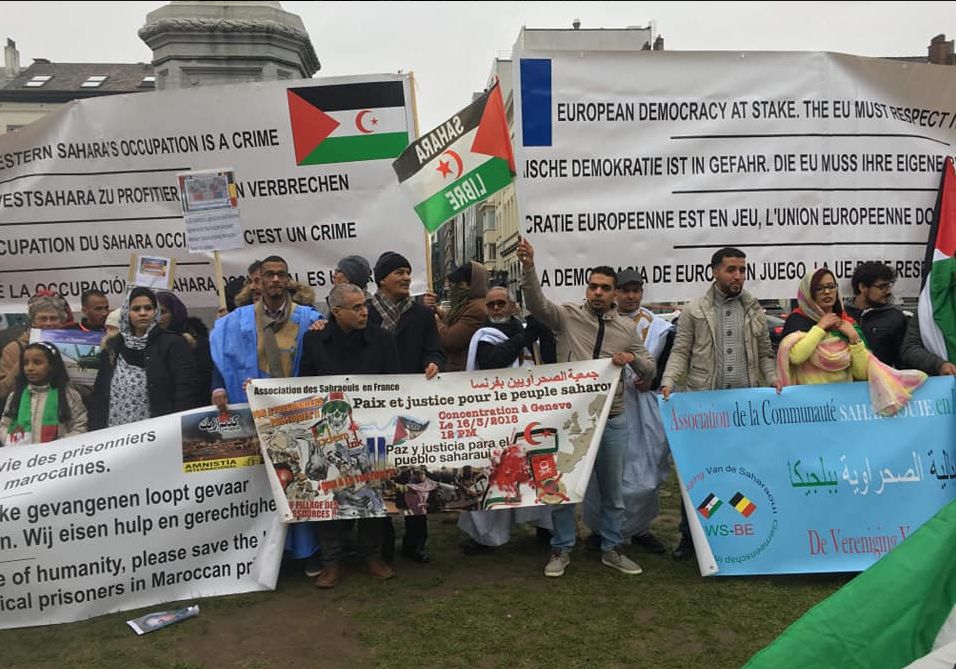
As the European Union rightly rallies behind Greenlanders’ right to decide their own future in the face of external pressure, a test of the EU’s real commitment to self-determination is quietly unfolding in Brussels.