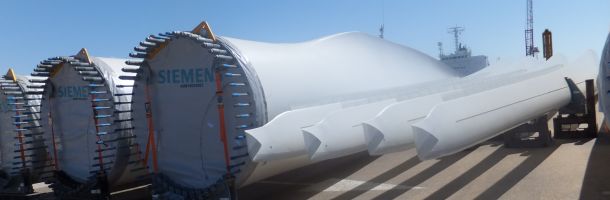
Despite ongoing protest, German multinational Siemens is currently in the process of shipping windmill parts to El Aaiun, occupied Western Sahara. The company is partnering with the same royal family that brutally occupied the territory.
The photos below can be used free of charge. Taken by Western Sahara Resource Watch.
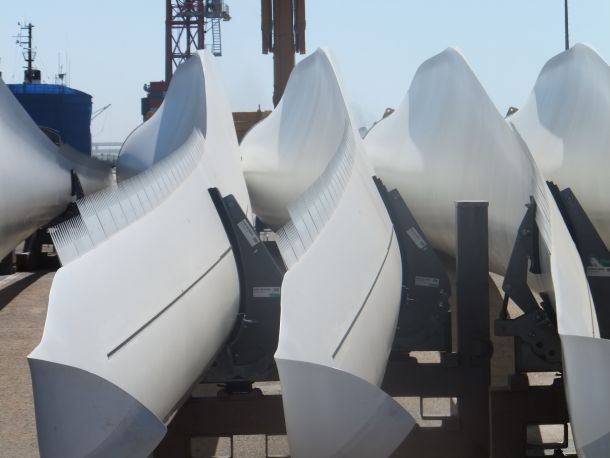
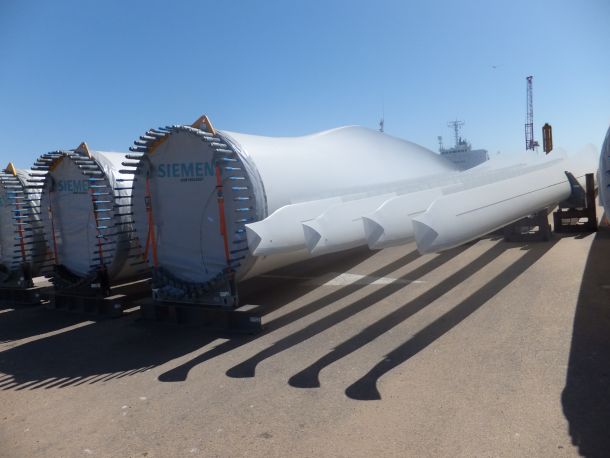
Pictures taken in the harbour of El Aaiun last week reveal that Siemens has decided to go ahead with its plans to supply wind turbines and related technical assistance to the Foum el Oued windfarm project near El Aaiun, occupied Western Sahara.
Siemens' partner in the project is the Nareva holding - a Moroccan industrial and financial group that will own and operate the wind farm. Nareva is said to belong to the Moroccan royal family; the same royal family that invaded and occupied part of Western Sahara in 1975. Half the Saharawi people have lived as refugees ever since. Saharawi protesting their ongoing socio-economic discrimination were two weeks ago sentenced up to life in jail by a military court.
The construction parts have arrived in the territory on a caravan of vessels over the last weeks.
Western Sahara Resource Watch (WSRW) estimates that up to now 9 vessels have been involved in transporting the windmill parts and related infrastructure material from Germany since end of December 2012. All of these vessels are owned by the German chartering company Briese Schiffahrts GmbH & Co. WSRW has written the company, requesting clarifications on the vessels’ presence in the harbour of El Aaiun, but the company has thus far not replied.
In 2012, the Siemens/Nareva windpark project sought to obtain carbon credits through the United Nations’ Clean Development Mechanism. This was refused, however, precisely for taking place outside of Morocco’s national borders: in occupied Western Sahara.
"It is saddening to observe that companies in this way fail to take their corporate social responsibility commitment seriously", stated Sara Eyckmans, coordinator of Western Sahara Resource Watch.
"Siemens should know better. To assist the Moroccan royal family to enrich themselves by cooperating on projects in a territory that same that royal family invaded, is in breach of any minimum ethical standard that you would expect an international company to uphold. Activists who would normally have spoken out against the company's behaviour are facing life sentence in jail. What incentive would the Moroccan king have to be serious in the peace talks, if he can benefit from such project with Siemens?", stated Eyckmans.
She noted that WSRW has sent numerous letters to Siemens to get clarifications on how they interpret their adherence to UN Global Compact, an initiative for companies supporting a set of principles on business ethics. The company claims on its webpages that the project is located in "Morocco".
In January, WSRW requested Siemens excluded from UN Global Compact, due to failure to communicate with civil society.
Last month, a delegation from the German Government has met with two leading Saharawi human rights organisation in occupied El Aaiun. It is not known whether the Siemens story was a point of discussion between the German government and the Saharawi human rights groups.
The pictures below were taken in the port of El Aaiun last week.
The photos below can be used free of charge. Taken by Western Sahara Resource Watch.
UPDATE, 11.10.2016: Photos also shows delivery of Alstom equipment on the same cargo, and that lifting work was done by EuroGrues Maroc.



European Parliament approves updated Morocco aviation agreement… without Western Sahara
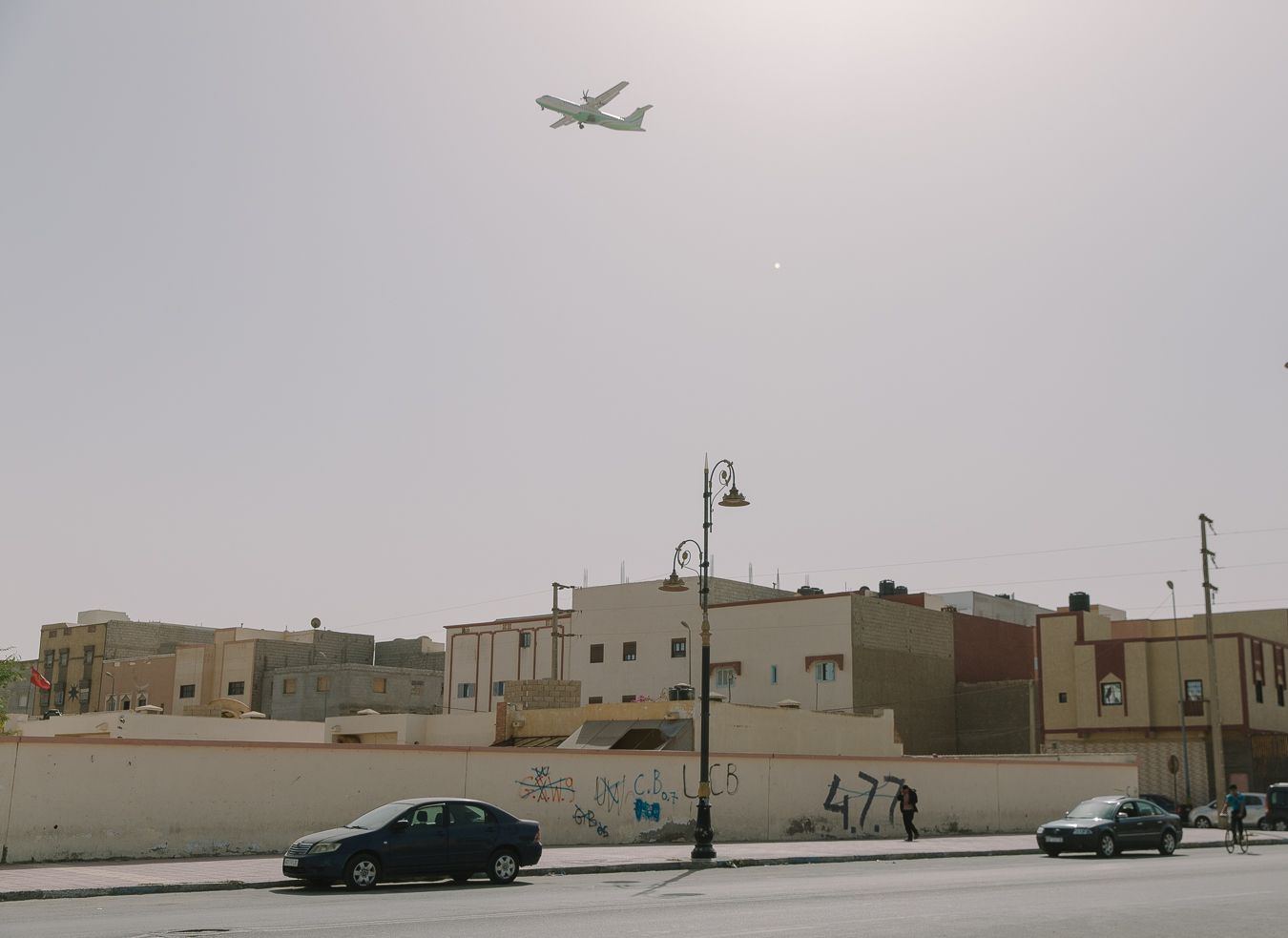
The law is settled, but the practice is not. The recently adapted aviation deal excludes Western Sahara - yet the European Commission still tolerates EU airlines operating there regardless.
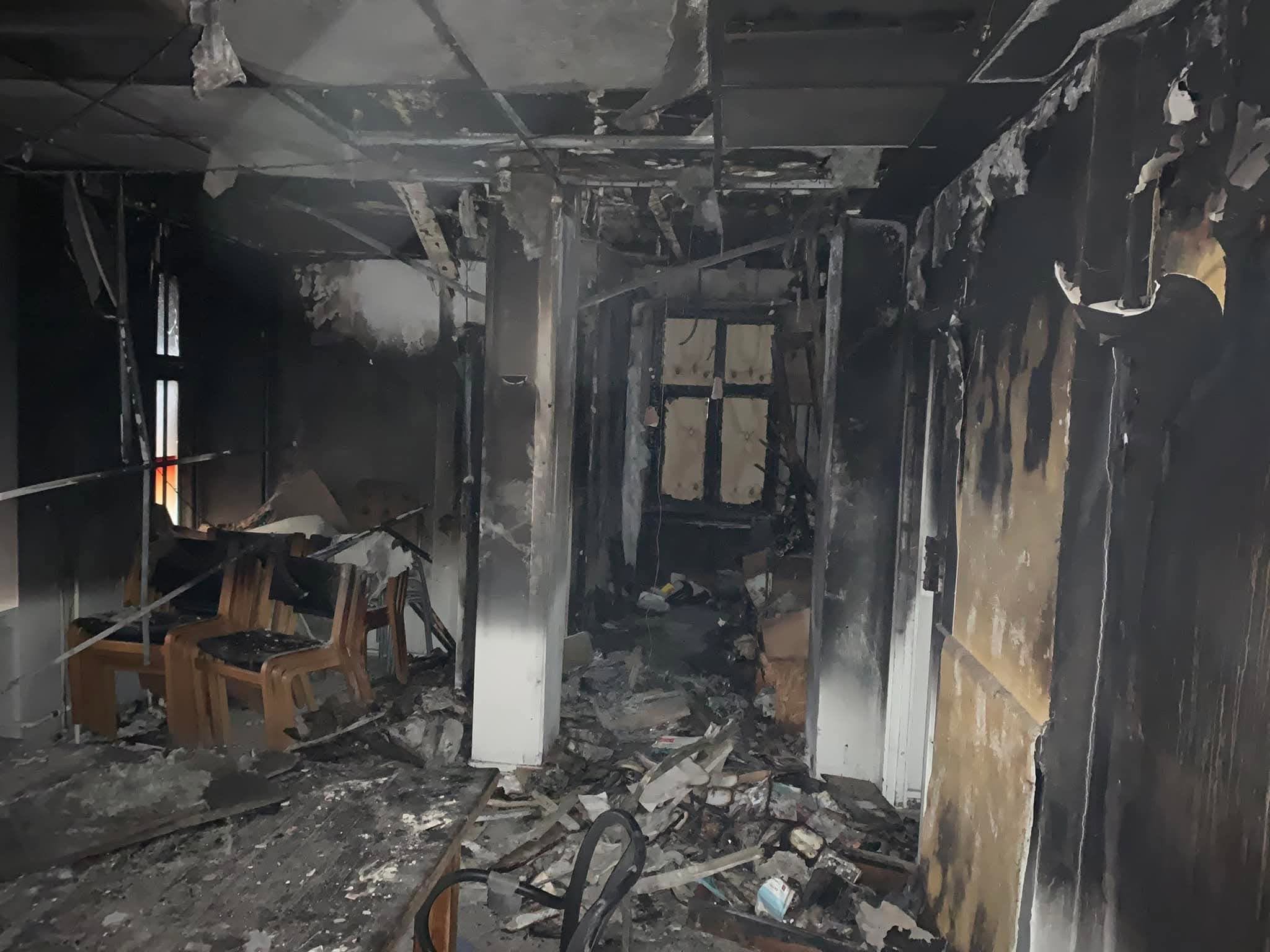
Trial underway over firebombing of WSRW partner in Denmark
A trial has begun in Copenhagen against four men accused of carrying out the January 2025 arson attack on the offices of WSRW partner Global Aktion.
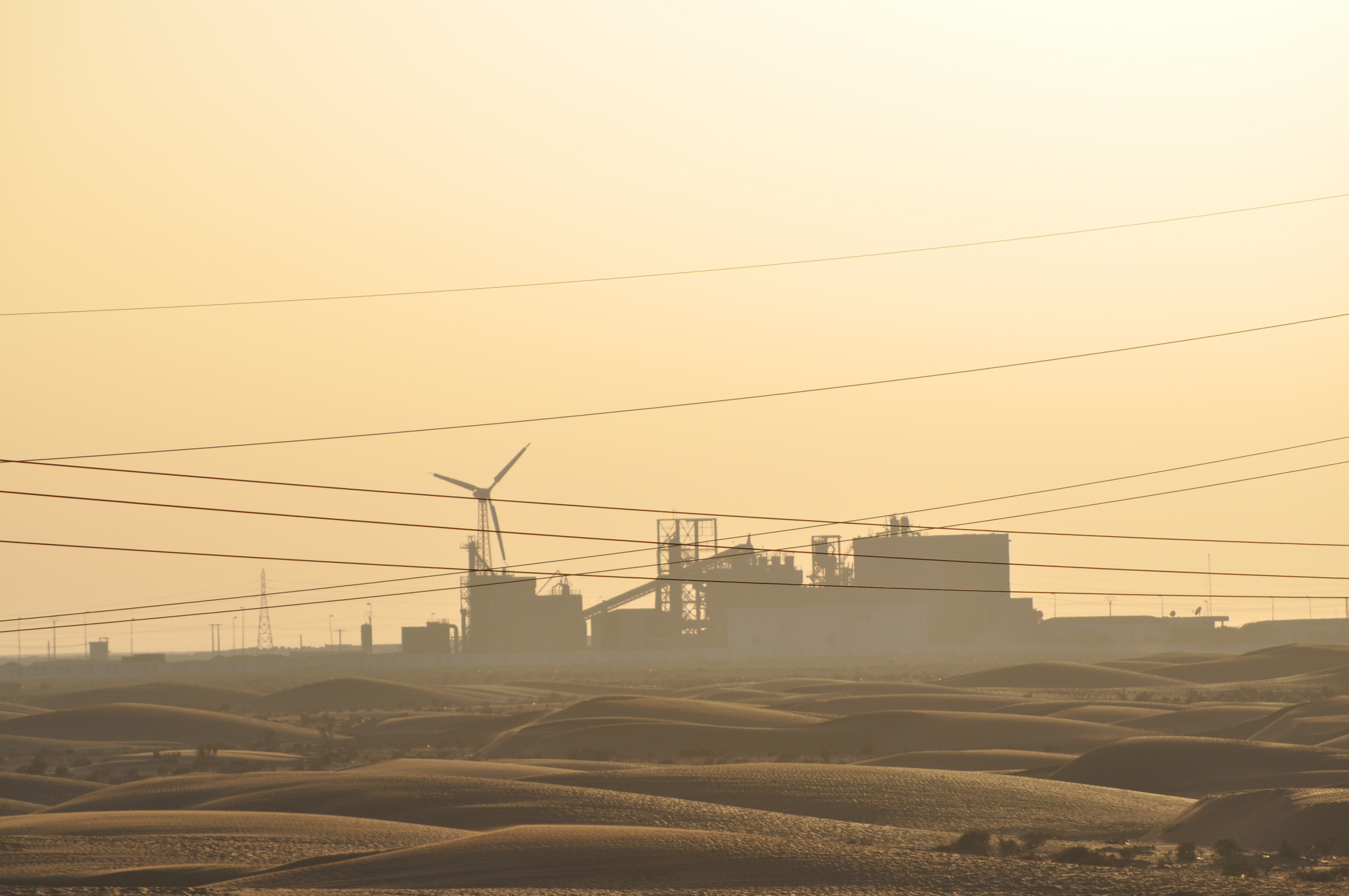
Heidelberg Materials deepens its role in Morocco’s occupation of Western Sahara
The German company confirms once again that its operations in occupied Western Sahara are closely tied to Morocco’s infrastructure expansion in the territory - while continuing to dismiss the Saharawi people’s right to consent.

The conflict phosphates - four decades of plunder
For over 40 years, a Moroccan state-owned company has exported phosphate rock from occupied Western Sahara.