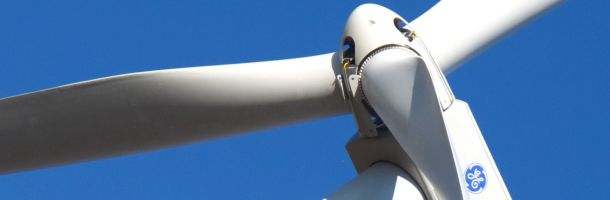
The American company General Electric has communicated to WSRW that they are no longer participating in the tender to construct two wind farms in occupied Western Sahara.
"After checking with our colleagues, we have determined that GE is not participating in the tender that is the subject of your email", stated the GE’s Corporate Ombudsperson’s’ Office on behalf of GE's Board of Directors.
The statement yesterday evening came as a reply to a letter WSRW sent to the company earlier that day. The letter outlined the organisation's concerns on GE's participation in a tender by the Moroccan government to construct five wind farms - two of which were located not in Morocco, but in the occupied territory of Western Sahara; in El Aaiun and in Boujdour.
With GE pulling out, there now remain 15 companies that are contending to win the bid. WSRW has on 2 and 3 July 2013 contacted all of them, asking them to refrain from building infrastructure on occupied land.
SRI update
The following overview enlists stock-exchange registered companies with current or recent operations in occupied Western Sahara. Updated 28 September 2026.
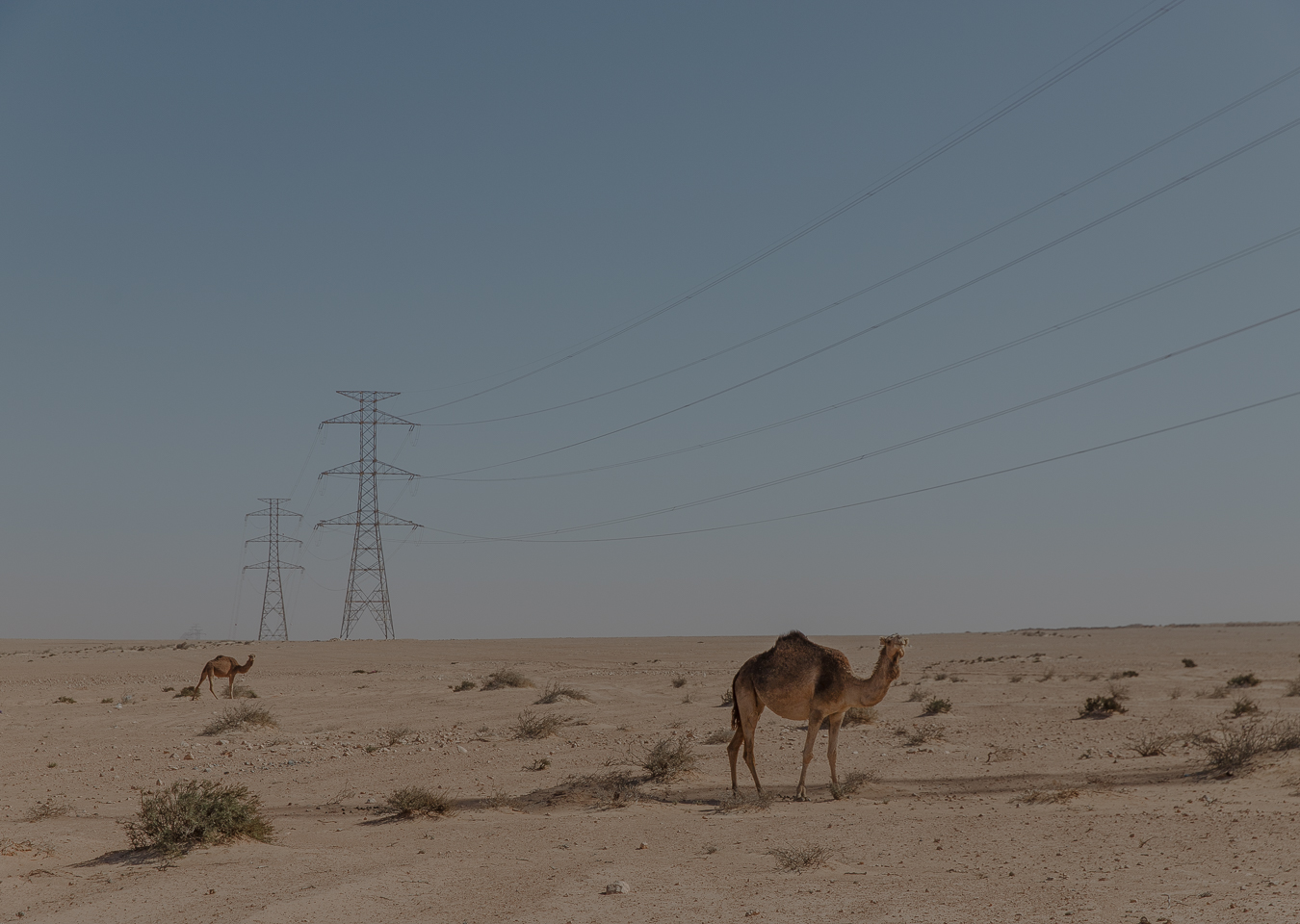
Another company of the Moroccan king involved in occupied Western Sahara
A company closely linked to Morocco’s royal business network has entered a new project in occupied Western Sahara, partnering with a Chinese state-owned electricity giant on high-voltage infrastructure in Boujdour.
Don't let resource exploitation decide Western Sahara's future
Western Sahara Resource Watch calls on the UN to address the accelerating exploitation of the territory’s natural resources - and prevent it from becoming an even greater obstacle to self-determination.
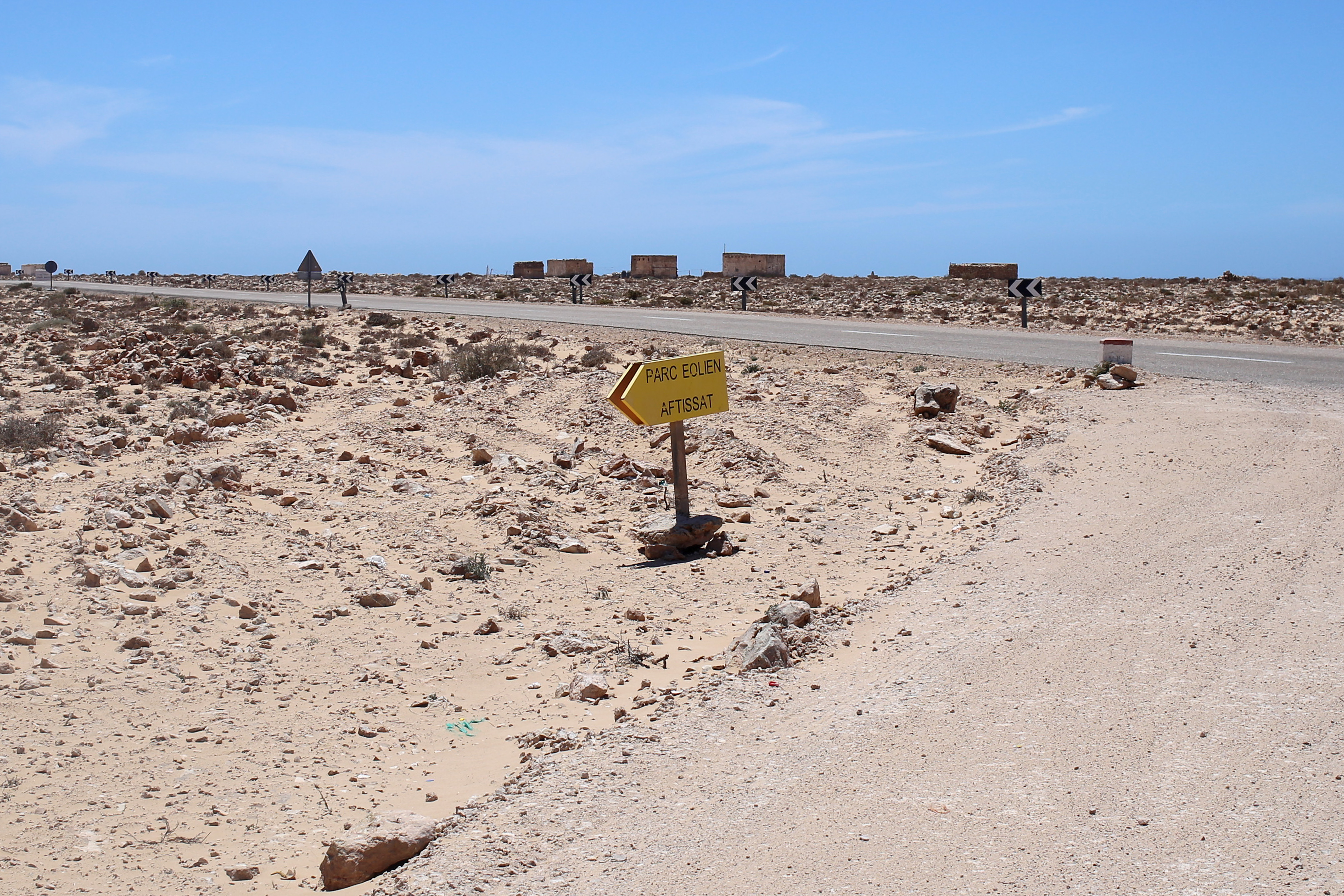
Occupied Western Sahara wind complex expands into Africa's top three
The Moroccan king’s energy company appears to have completed two new phases of the Aftissat wind power complex in occupied Western Sahara.